11 Flowers You Can Plant as Soon as the Soil Is Workable
Your yard probably looks like a soggy pit right now. Good. That’s your sign spring is finally loosening its grip.
If the soil is damp but not waterlogged, and your shovel can slide in without bouncing off frozen ground or coming up with a brick of mud, you can start planting the tough flowers that actually like this chilly nonsense.
From Slush to Lush
These flowers are tougher than my morning coffee and a lot more cheerful about cold, sloppy spring weather. I still keep an eye on the forecast, because a hard freeze can bully almost anything, but a light spring frost usually doesn’t scare these early bloomers off.
If you’re still building your cold-weather flower list, we also wrote a guide on early spring flowers that thrive in cool weather.
1. Sweet Peas (USDA Zones 2-11)
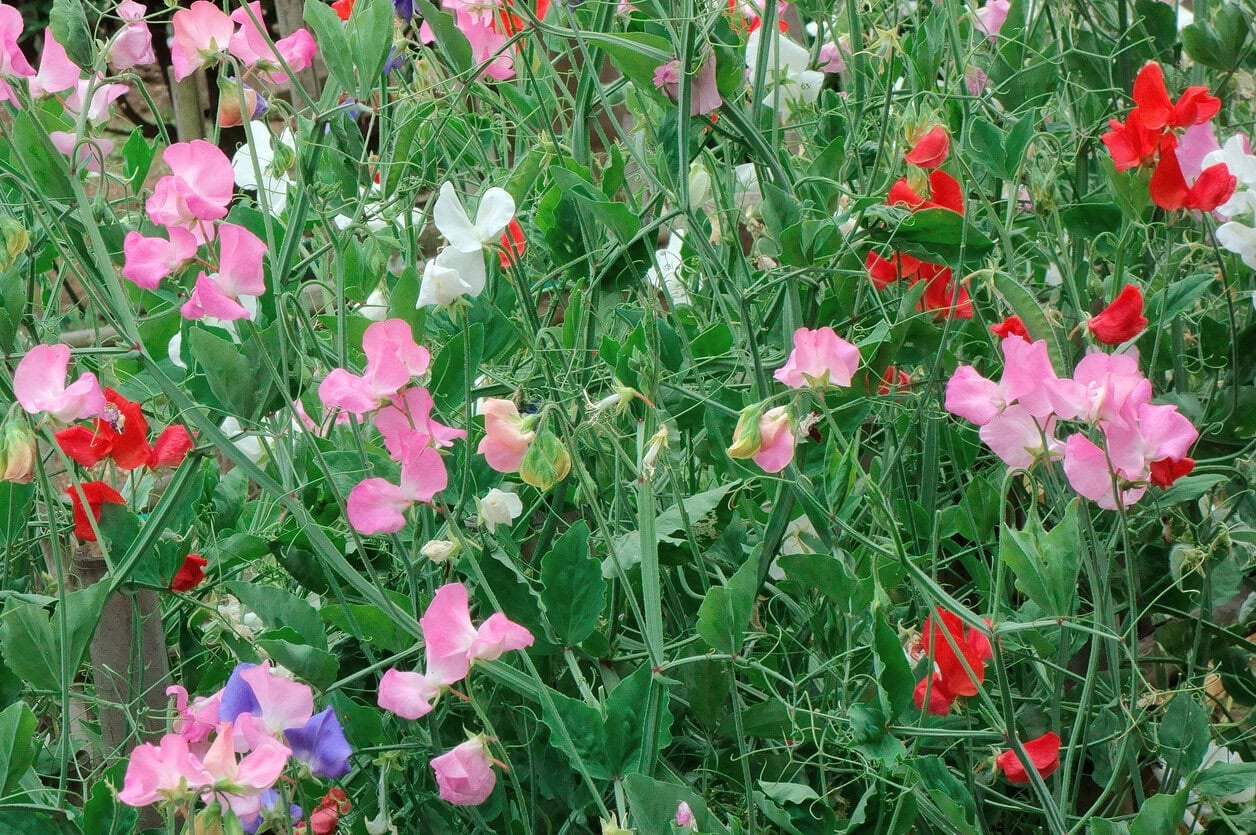
Most gardening advice says sow seeds, but buying a pot of healthy starts at the garden center is the ultimate shortcut for the impatient.
Ease them out gently, because sweet peas hate having their roots manhandled. Set the root ball at about the same depth it sat in the pot, or just a touch deeper if the stems are leggy, then firm the soil around it.
Quick tip: Space them every six inches apart and give them something to climb immediately. A fence, a trellis, an old porch railing, or even your ex’s ego.
2. Pansies (USDA Zones 3-8)

Let’s say you want instant color in your early spring garden. Well, these cheerful little faces make the whole bed look like you planned ahead.
Plant them once the ground is workable, setting the crown level with the soil surface instead of burying it. I usually space them about six inches apart when I want that full, cozy look fast.
Quick tip: And should a surprise snowstorm hit, don’t panic. A hard freeze is still rude, but pansies can usually hunker down through cold spring nonsense and wait for the sun like a freelance writer.
3. Snapdragons (USDA Zones 7-10)

Local cats will likely judge your shivering, snapdragons included. These dramatic little things actually like the cool, damp spring weather that makes us all want to hide under a duvet.
Dig a hole about twice as wide as the nursery pot, set the plant at the same depth it was growing before, and space them about eight inches apart for a nice full patch.
Quick tip: When the plant gets around six inches tall, pinch off the top of the center stem. Just do it. If you leave that top-heavy growth alone, the first spring wind will just knock the whole thing over.
4. Hellebores (USDA Zones 4-9)

The Cullens would appreciate these plants because they live for the gloom and refuse to die. I like to clean up last year’s leathery leaves, so the new flowers and fresh growth aren’t fighting through a sad pile of old foliage.
Work compost or leaf mold into the area around the hole, set the plant so the crown sits right at soil level, and don’t bury it under mulch like you’re hiding evidence.
Quick tip: They’re slow to move in and even slower to forgive being moved again, so pick the spot carefully.
If your yard has more gloom than glow, we wrote a guide on shade-tolerant perennials that can brighten low-light spots.
5. Calendula (USDA Zones 2-11)

Scratch these into a sunny, well-drained patch once the soil has warmed a little. They don’t want your expensive fertilizer or your constant attention.
Sow the seeds lightly, cover them with a thin layer of soil, and thin the seedlings so they have room to breathe. I usually give them about eight to twelve inches, depending on how crowded I’m willing to let that bed get.
Even if your soil is mostly clay and undiluted spite, they’ll manage to grow just fine as long as the drainage works. They’re the blue-collar laborers of spring, unpretentious and tough.
And if your “workable soil” is mostly clay with a personal grudge, we explain which flowers grow best in clay soil without making you replace the whole yard.
6. Violas (USDA Zones 3-8)

Consider these the scrappy younger siblings of the pansy. They’re small, stubborn, and perfect for those awkward gaps between larger perennials where nothing else survives the frost.
Plant them once the soil is workable, keeping the crown level with the soil surface, then water them in well so the roots settle. After that, basically ignore them; they prefer a little bit of “tough love” to constant hovering.
Quick tip: Violas like consistent moisture, especially while they’re getting established, but they don’t want to sit in soggy soil.
7. Bleeding Hearts (USDA Zones 3-9)
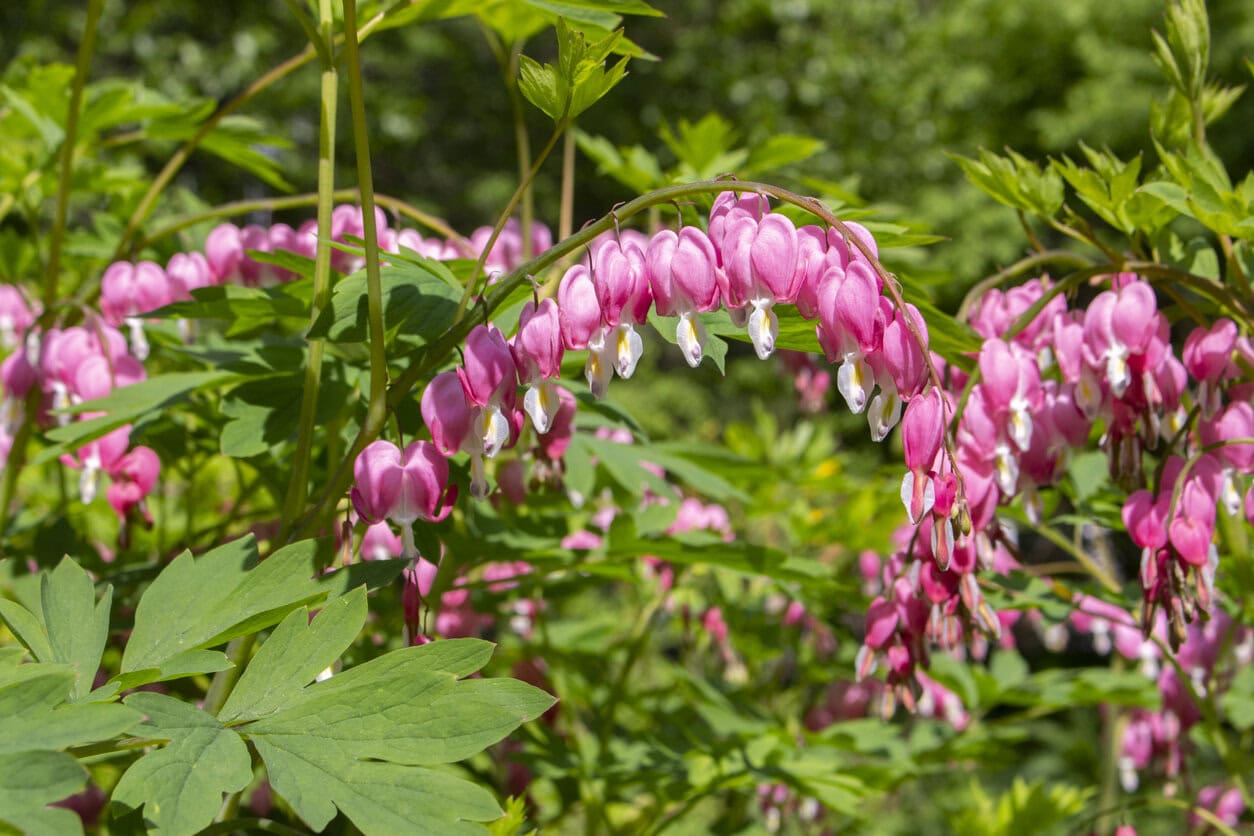
Ease them out of the plastic gently and plant them in a cool, shady spot with rich and well-drained soil.
Keep the crown level with the soil surface and water them in well. Give them a good scoop of compost and at least two feet of space.
Once they’re happy, they’ll settle in fast and claim territory like an 18th-century British colonizer with a fresh map and a flag.
8. Bachelor’s Buttons (USDA Zones 2-11)
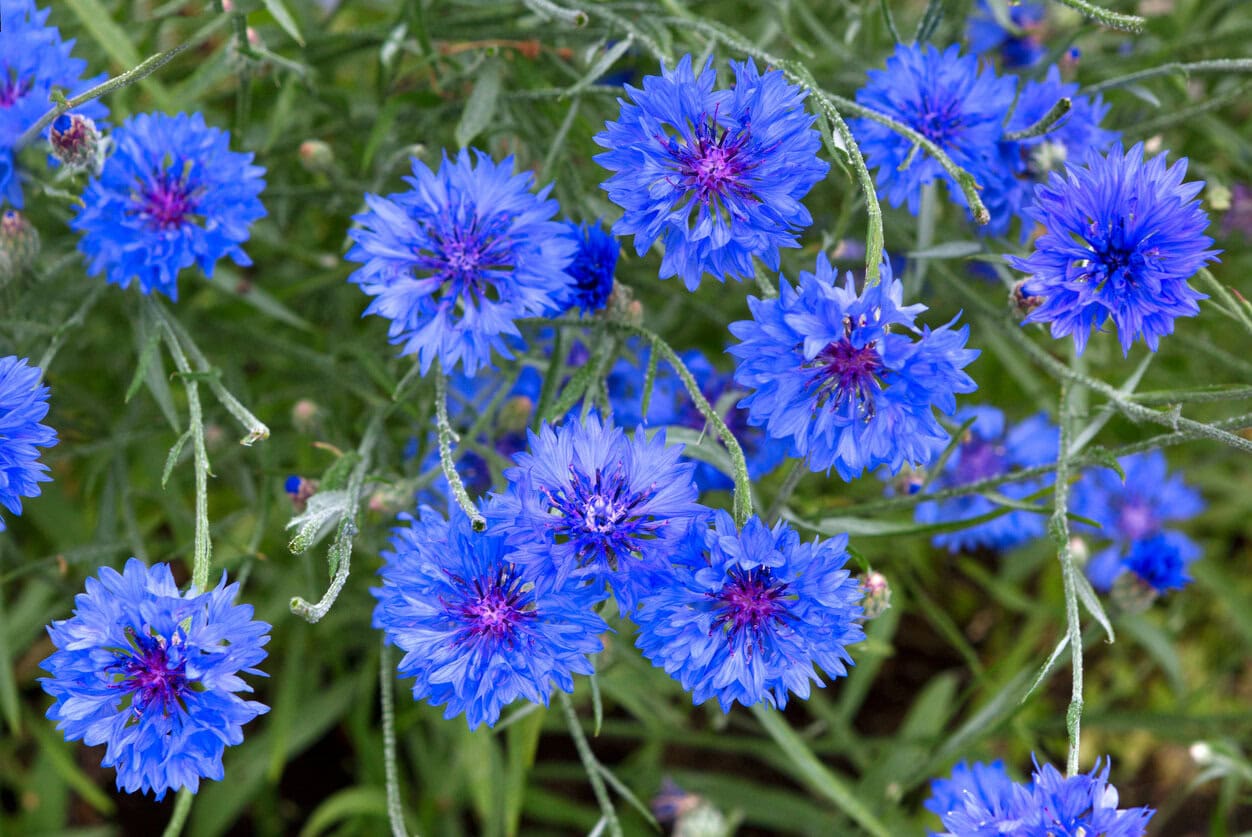
That blue is almost too bright to be real. Drainage is the only thing they truly care about; stick them in a puddle you’re basically making root soup by mid-spring.
Give them about ten inches of breathing room between plants. Once they’re established, they handle cool spring weather and a light frost without making a whole scene.
9. Siberian Iris (USDA Zones 3-8)

These aren’t those floppy irises that faint after a light breeze. Siberian iris has a steel backbone! Morning sun is the goal here, though full sun works in cooler areas.
Plant the rhizomes about two inches deep and water them in well.
Quick tip: Add a light layer of mulch to hold moisture down while the roots settle in.
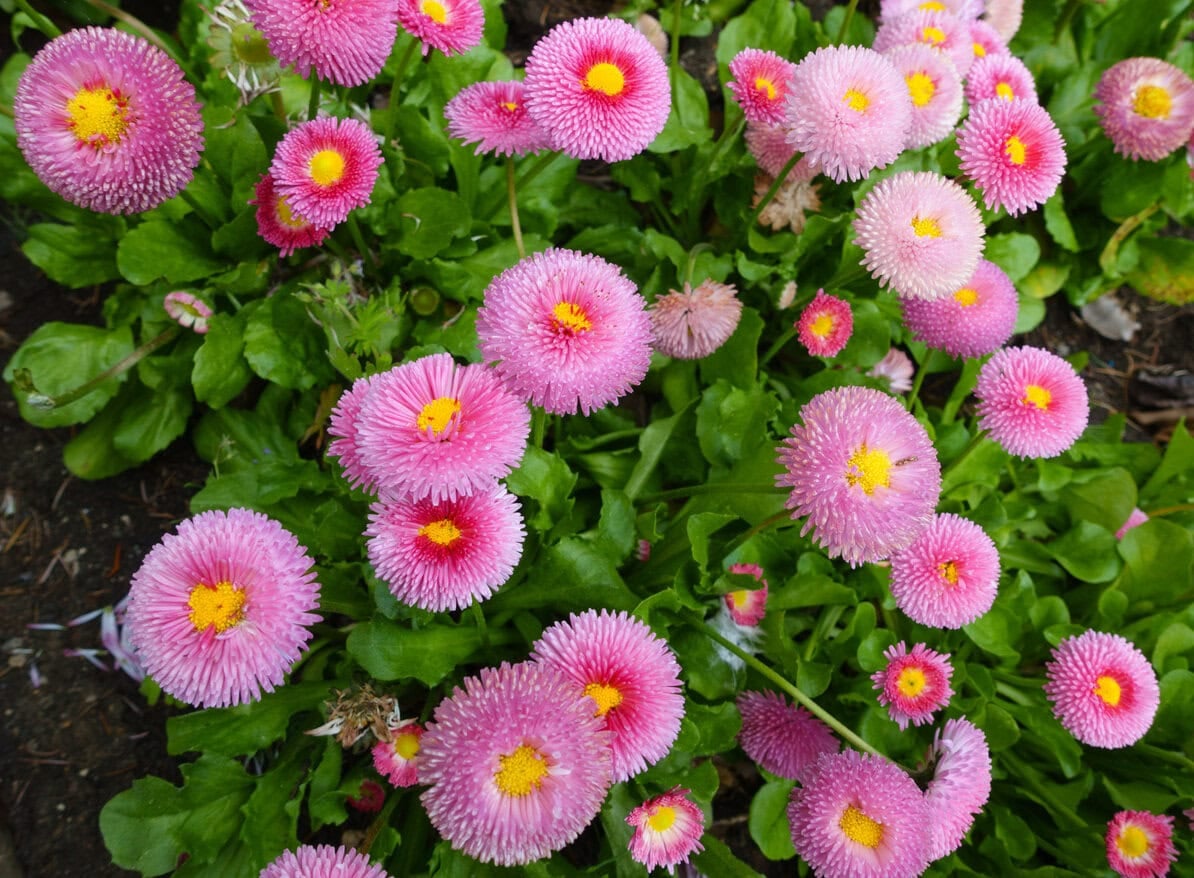
10. English Daisies (USDA Zones 4-8)
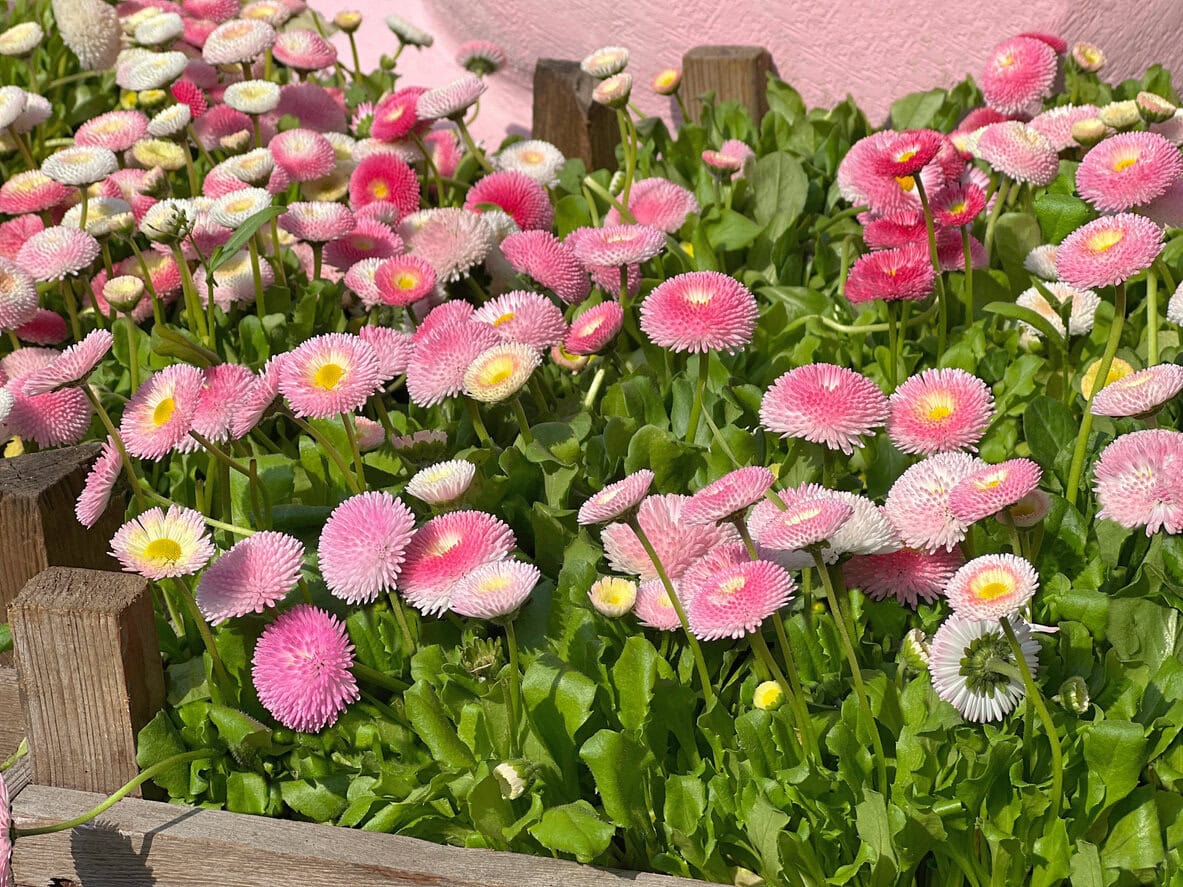
Tuck English daisies into cool, moist soil where they’ll get sun without being roasted alive. They’re tough, but they’re not asking to be planted in dust beside a decorative rock from 1997.
Since they hug the ground, a shallow hole works fine.
Quick tip: Just firm them in and snip any ragged flowers off at the base. It gaslights the daisy into producing a second wave of blooms, which is manipulation I can actually support.
If you enjoy bossing flowers around for more blooms, we wrote a guide on flowers to deadhead in May for continuous color.
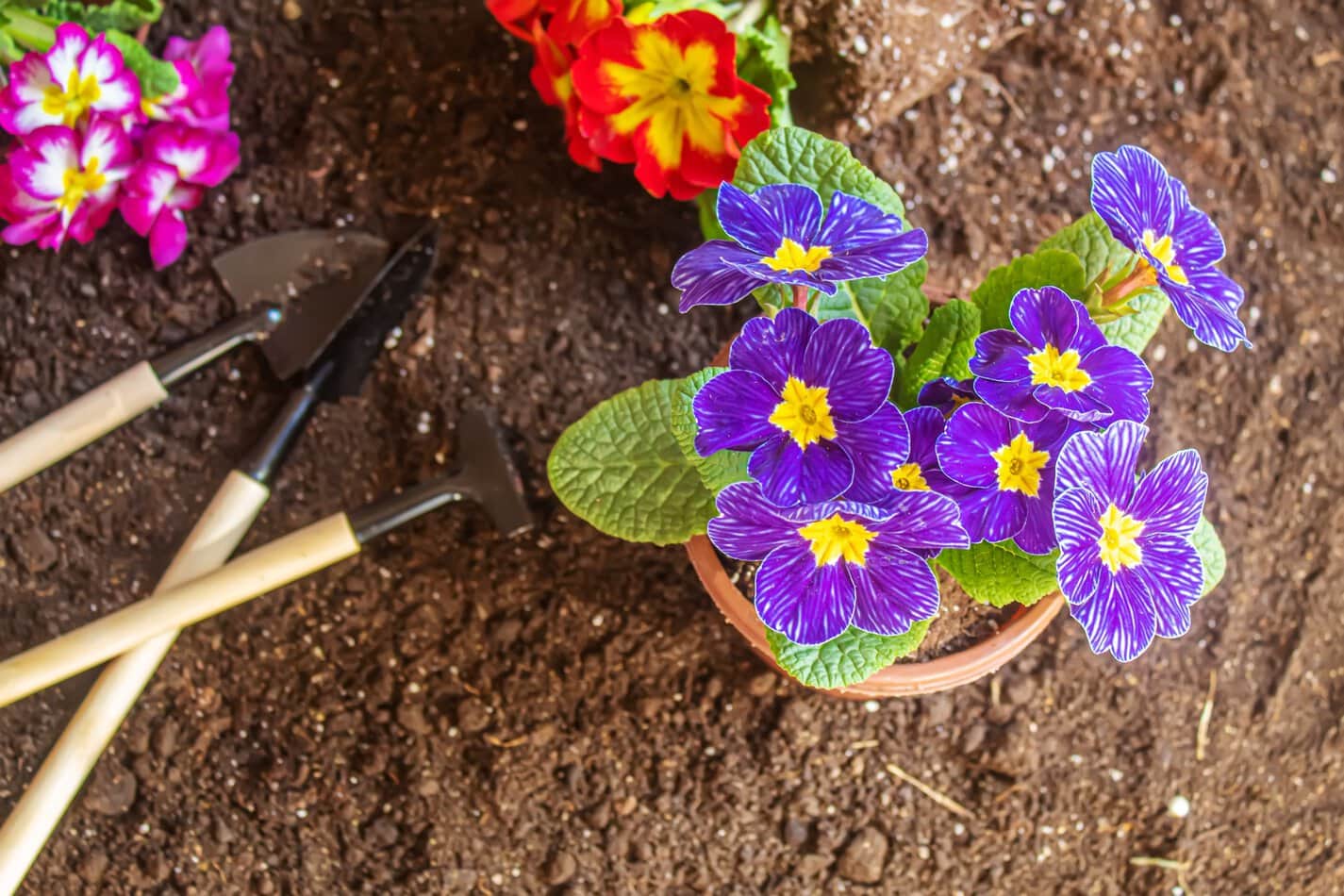
11. Primrose (USDA Zones 3-8)

Afternoon sun will cook them alive, so find a damp, cool spot with with gentle shade and soil that doesn’t dry out every time you blink.
Primrose craves moisture; standing water not so much. So mix in leaf mold or compost instead of making a swamp. Ease it from the plastic, disturb the roots as little as possible
Quick tip: Ease it from the plastic, disturb the roots as little as possible, and water it in well. As soon as it realizes the ground is warmer than the air, it’ll brighten up your day.
Before You Start Digging
USDA zones tell you who can survive winter. They do not tell you whether your garden bed is ready for spring chaos. If the soil is still frozen, soupy, or clinging to your shovel like wet cement, wait.
“Workable” means damp and crumbly enough to dig, not a cold mud pie with delusions of grandeur.
Start with the toughest cool-weather flowers first, then save the fussier ones for when the worst hard freezes are done bullying everyone. If your garden still fails after all this coaching, at least you’ve grown a perfect excuse to stay inside with my favorite uncle and a drink.
Once the weather stops cosplaying as winter, I also have a guide on heat-tolerant flowers to plant in May so your garden doesn’t immediately turn crispy.

Hey there! I’m Dragana, an ecologist with a serious soft spot for soil and the magic that sprouts from it. My Adriatic garden is a bit of a wild bunch: aromatic herbs and roses doing their fragrant thing, juicy fruits and stubborn olive trees with a Mediterranean attitude. I’m here to unearth gardening wonders; are you ready to dig in with me?