11 Flowers That Love Coffee Grounds – Boost Blooms Naturally!

I remember when I first shared the idea of adding coffee grounds to garden soil, my mom, who’s into gardening herself, thought I had gone crazy. I mean…it’s pretty unconventional to say the least…
But, believe me when I say this, the results spoke for themselves!
In today’s article, we’ll be going through a carefully curated list of flowers that can benefit from coffee grounds. Let’s jump straight into it, shall we?
Before You Start – Tips & Precautions
- Moderation is key: Whenever an unconventional gardening idea or technique surfaces, new gardeners often tend to take it to the extreme and go overboard with things. Moderation is key here. Too many coffee grounds can compact the soil and make it overly acidic, possibly leading to worse blooming results.
- Don’t use fresh grounds: Fresh coffee grounds are much more acidic compared to used ones. Don’t just go ahead and dump fresh grounds into your soil straight from the coffee jar. Instead, use what is left over in the strainer or machine after you’re done making your morning brew. Just make sure they’re completely dry before using them, or you’ll likely end up with mold in the soil.
- Test soil pH: Before mixing in the coffee grounds, consider testing your soil’s pH to ensure it’s suitable for the kind of flowers you’ll be planting later on.
You can get soil testing kits from the internet easily like Amazon, or make a trip to your local gardening supplies store to acquire them. It may seem like an extra hassle, but it pays off to know exactly the kind of soil quality and potential deficiencies you’re working with.
Besides coffee grounds, you could also incorporate natural amendments like wood ash. Take a look at our full guide on how to use wood ash to boost plant growth naturally.
Flowers That Thrive With Coffee Grounds

1: Azaleas
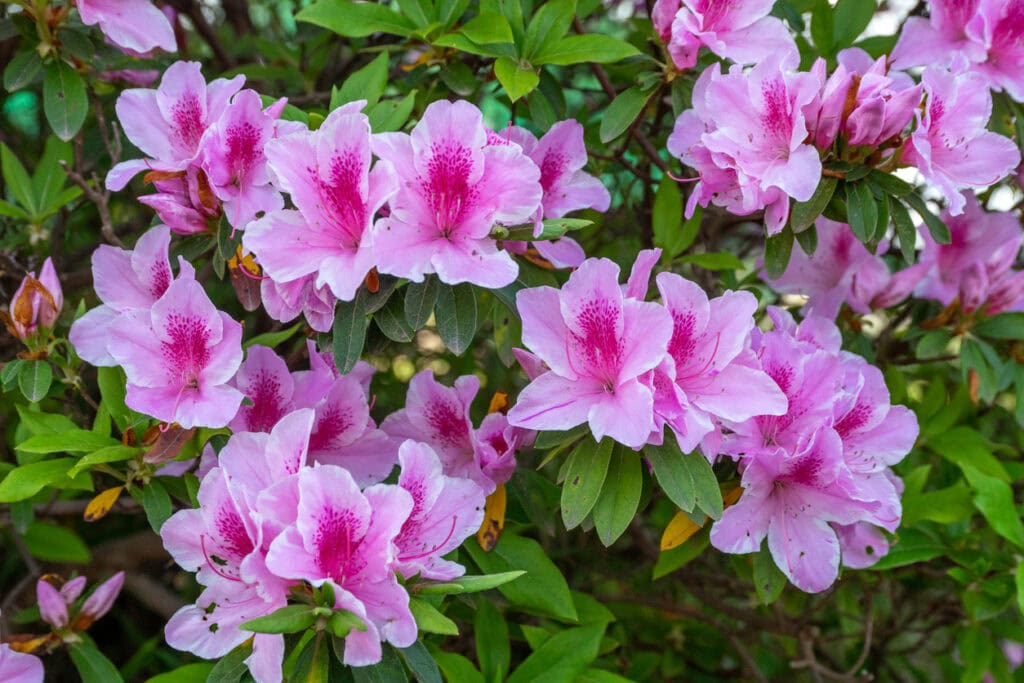
Azaleas love acidic soil for growth. Mixing in coffee grounds with the soil can help raise the acidity levels as a whole and promote vibrant blooming.
2: Rhododendrons
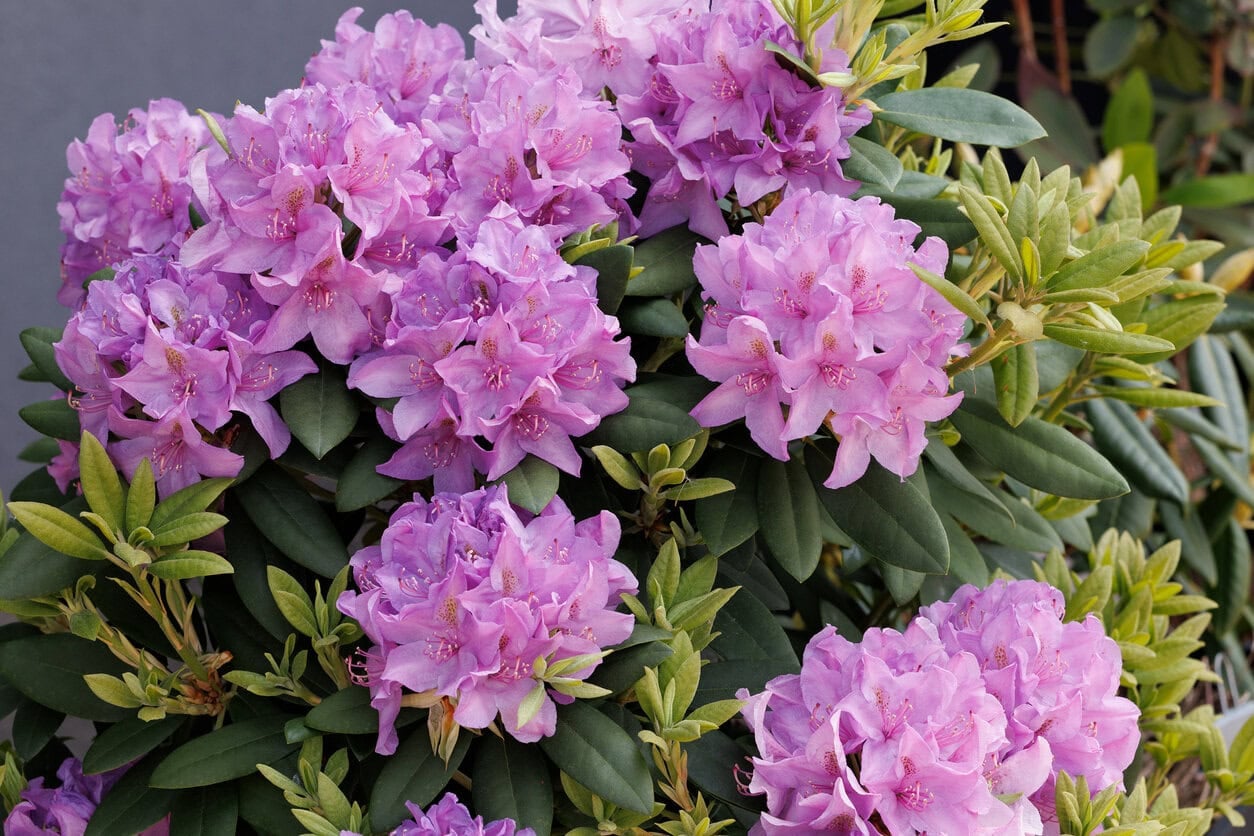
Like azaleas, rhododendrons too prefer acidic conditions for optimal growth and can substantially benefit from a nutrient boost provided by coffee grounds.
3: Hydrangeas
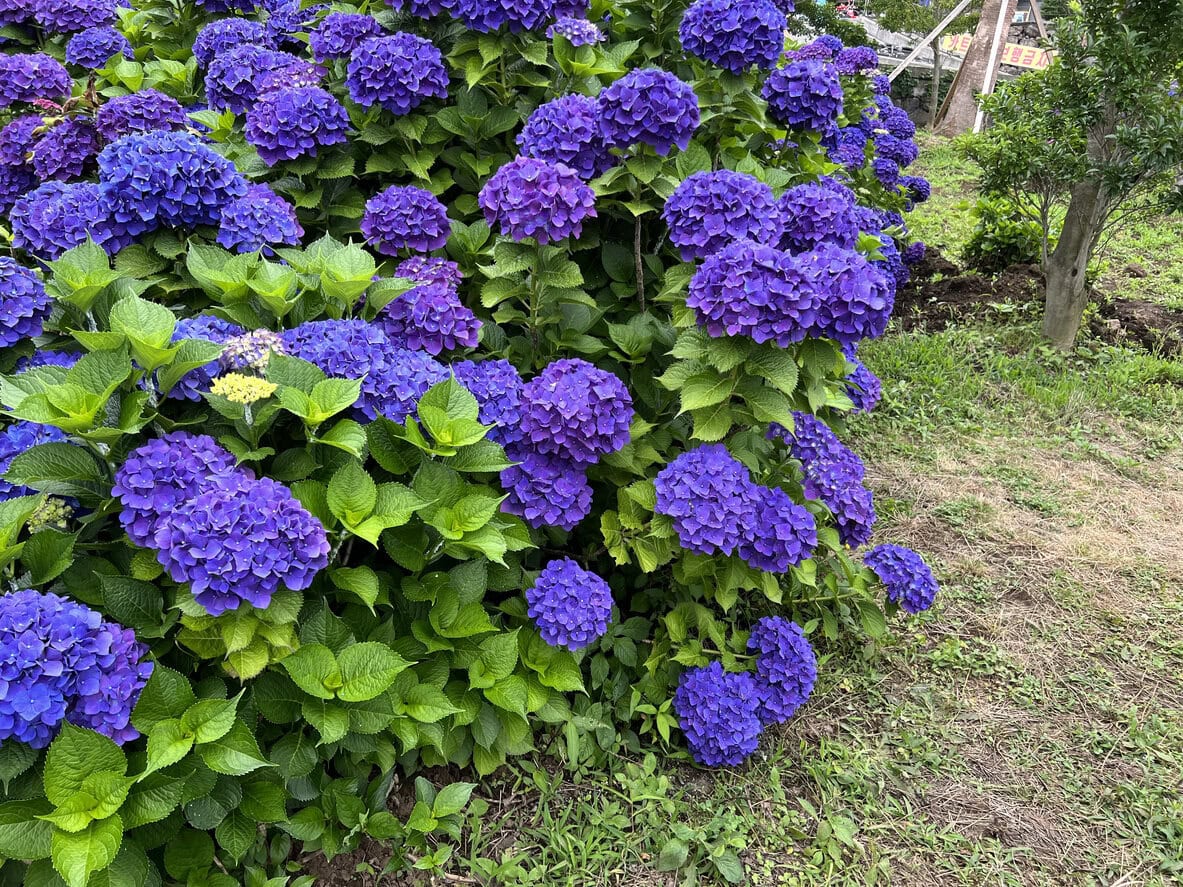
Some hydrangea varieties can bloom pink or blue flowers depending on the acidity or alkalinity of the soil. By incorporating coffee grounds in the garden, you’ll raise the acidity of the soil, potentially causing your hydrangeas to bloom blue flowers exclusively.
If you’re curious about the science behind it (and how to do it naturally), take a look at our guide to changing hydrangea color naturally.
4: Gardenias
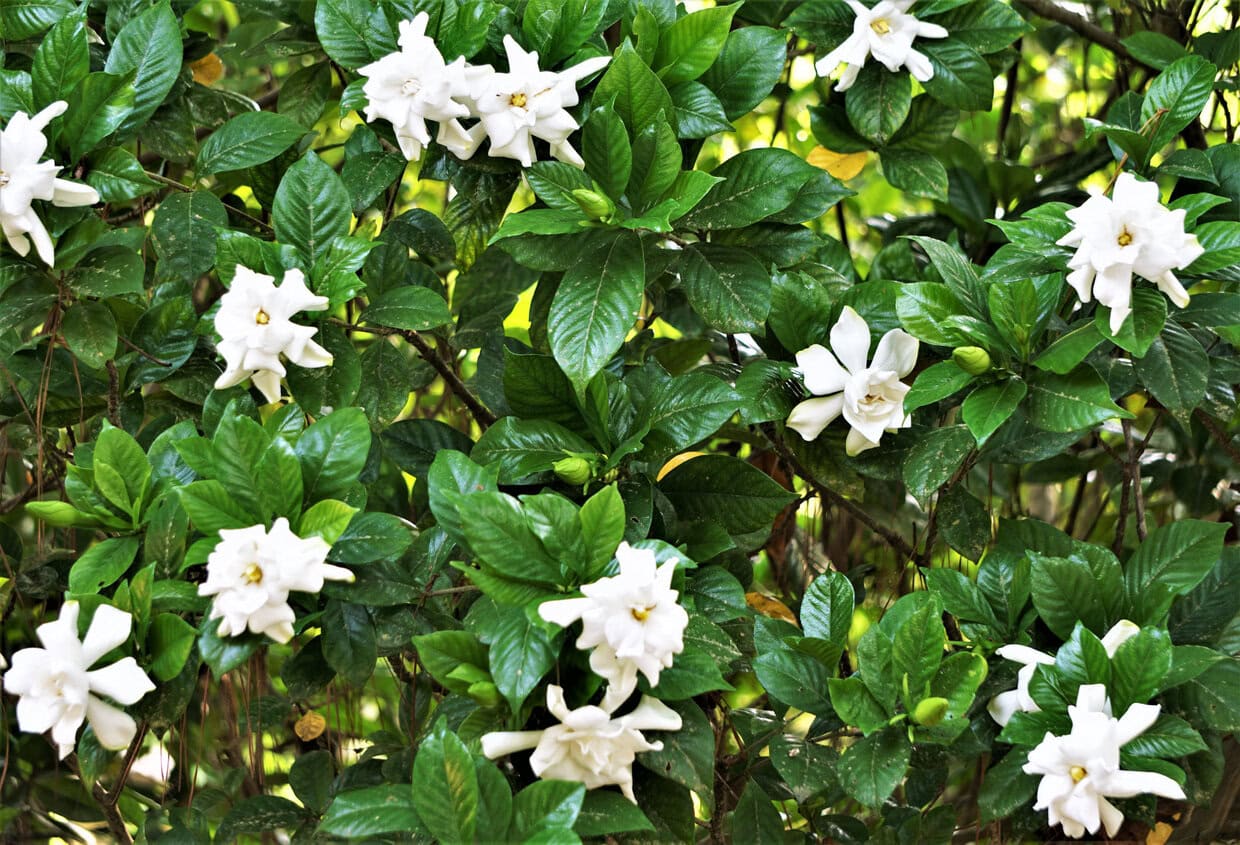
This fragrant flowering plant thrives in acidic conditions and can bloom extremely well with a nutrient boost from coffee grounds.
5: Camellias
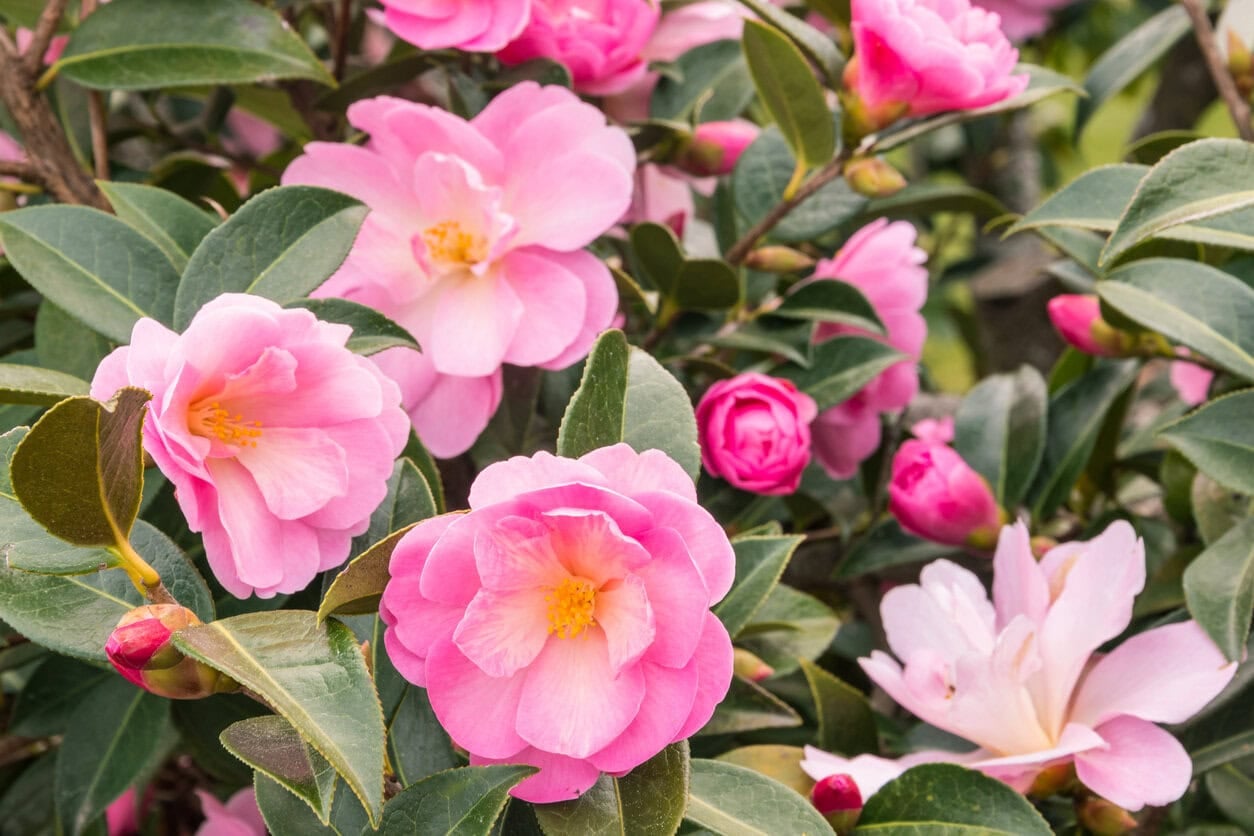
Camellias are typically known for their foliage, but also offer blooms that stand out. These perennials can absolutely benefit from a coffee ground boost, aiding with quicker flower turnover and lush foliage development.
6: Roses
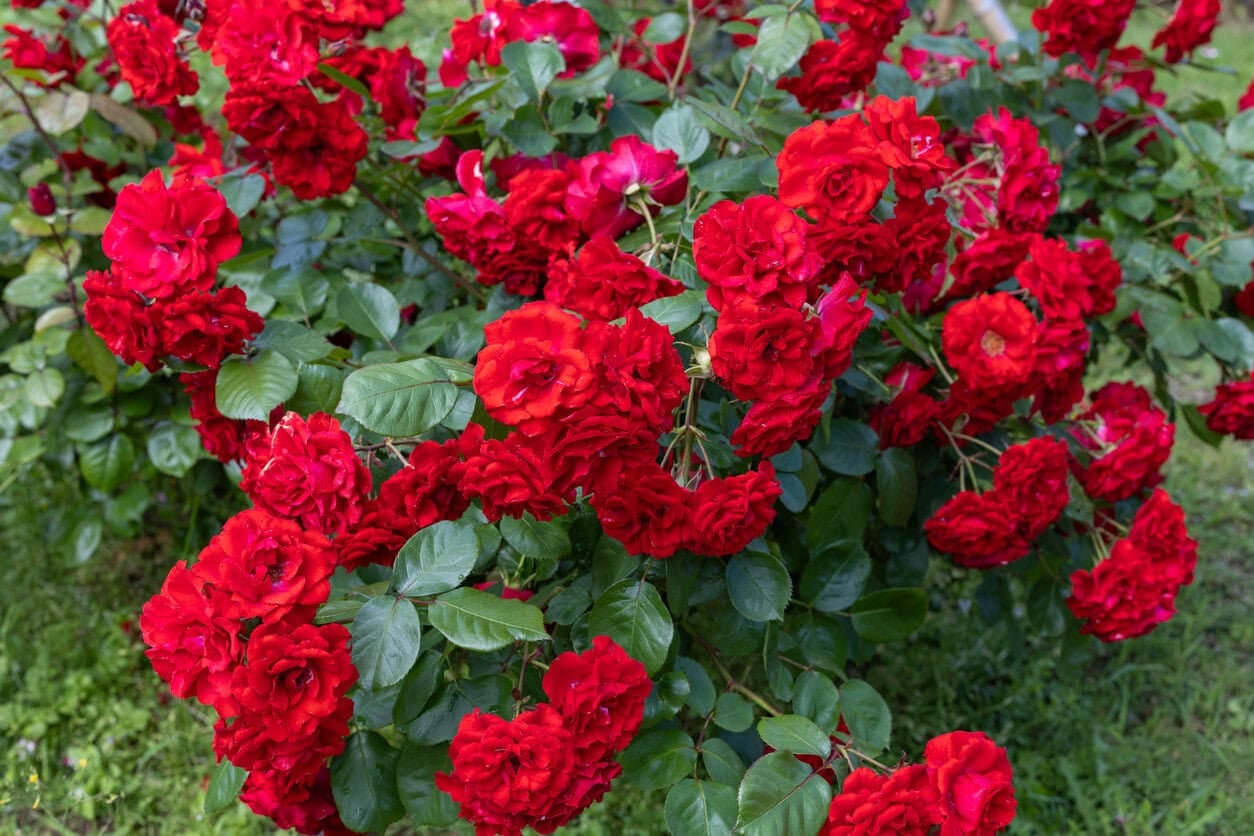
As strange as it may sound, roses are quite the nutrient-hungry plants. They need nutrients from all sources, and nitrogen from coffee grounds can provide them with a substantial boost. They’re also susceptible to pests, and coffee grounds can help keep those creepy crawlies at bay.
7: Hostas

Hostas, like roses, are relatively more susceptible to slugs and other pests. Therefore, sprinkling some coffee grounds around the plant base and even mixing in some with the soil to give it an acidic boost can be a good idea.
8: Lily Of The Valley
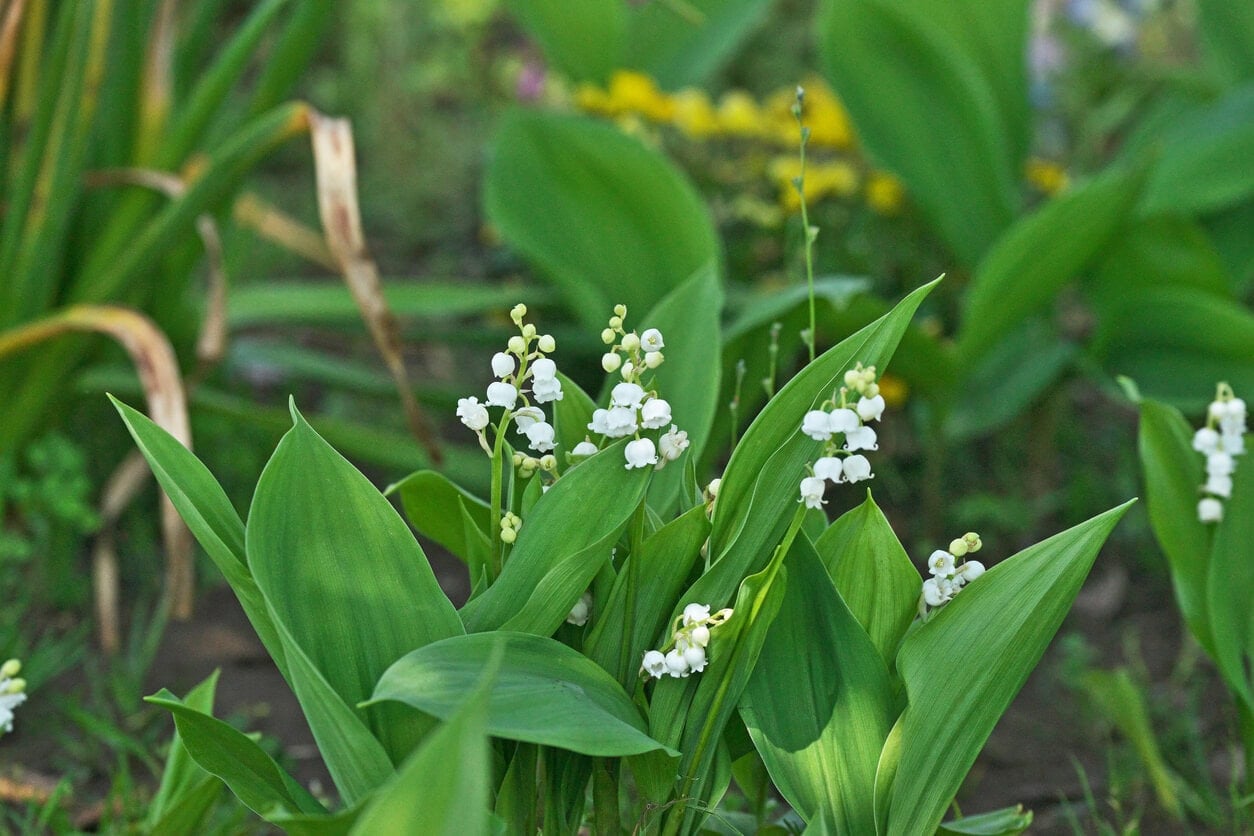
This delicate perennial can benefit from coffee grounds by absorbing acidic nitrogen and using the nutrient boost to produce more blooms more vigorously.
9: Begonias

Coffee grounds contain a good blend of nitrogen, potassium, and phosphorus, which are all the essential nutrients begonias need for optimal growth and flowering.
10: Marigolds

Not only are marigolds excellent for warding off pests and insects from the garden, but they also enhance overall soil structure and do relatively well in slightly acidic soil conditions.
If you’re looking to reinforce your pest control game, take a look at our guide on natural garden sprays that keep bugs away without chemicals.
11: Daffodils

I’d suggest keeping your daffodils indoors or in hanging baskets and mixing in small amounts of coffee grounds with their base soil for some nutrient enhancement. Just don’t do this too frequently, or else overly acidic soil can ruin your daffodil roots.
How To Use Coffee Grounds In Your Garden
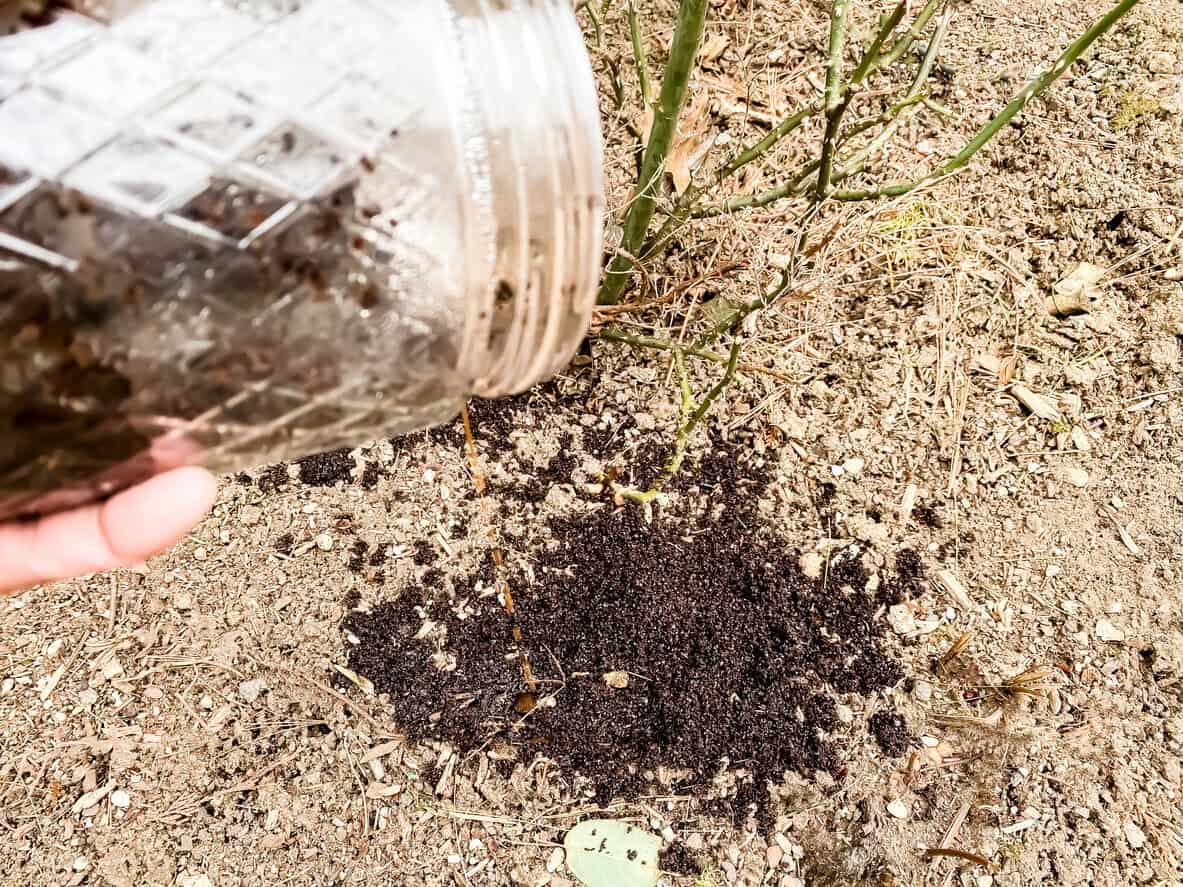
- Composting: Dump your wet coffee grounds into the compost bin every once in a while to give it some additional nitrogen boost and enrich the matter further.
- Soil Amendment: If you believe your soil structure and texture to be poor or not optimal for the kind of flower you want to grow, use coffee grounds to amend the soil and improve drainage or reduce compaction.
- Mulching: Though this isn’t exactly conventional, you can apply a decently thick layer of coffee grounds at the base of your garden plants to help the soil retain moisture and regulate temperatures.
- Pest Deterrent: Snails and slugs find it hard and uncomfortable to crawl through coffee grounds, and it will keep them from entering important garden areas.
Let’s Conclude

As stupid as my mom thought I was for suggesting adding coffee grounds to the garden soil to “improve” it, over time, she too learned that this method definitely has some merit. It may not work for all flowers, but it does work for those that benefit from some extra nitrogen boost.
And if you’re in the mood for even more clever tricks to make gardening easier and more effective, don’t miss our roundup of genius gardening hacks.
That said, I will still suggest you conduct a soil test before going about mixing coffee grounds into your soil. It will help identify any imbalances in the soil and give you a clear understanding of the soil quality you’re working with.

I’m Rita, passionate about flowers, plants and growing my own vegetables at home. I live in an apartment, but I still have my garden, I intend to use all my knowledge to help you also have a lively, happy and productive garden (even in an apartment).