How to Keep Lantana Blooming All Summer: Heat-Proof Care Tips
The air feels like a pizza oven, the crickets are laughing at us, and staring at a non-blooming hunk of lantana foliage can drive a person right to the brink.

Let’s fix the (potential) disasters now and get those lantana blooms moving before the July sun completely roasts whatever brain cells we have left.

Why Pity Pruning Fails
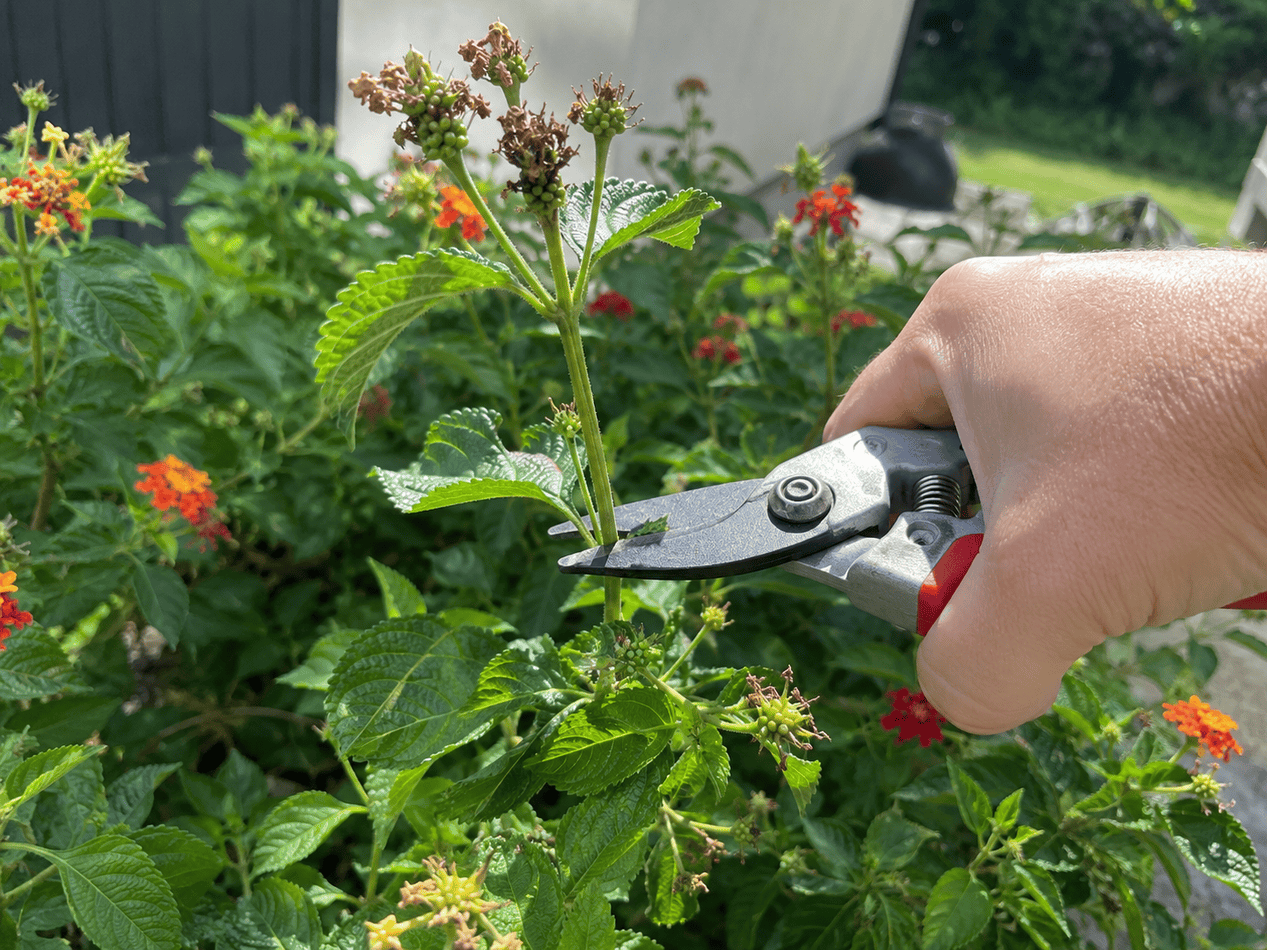
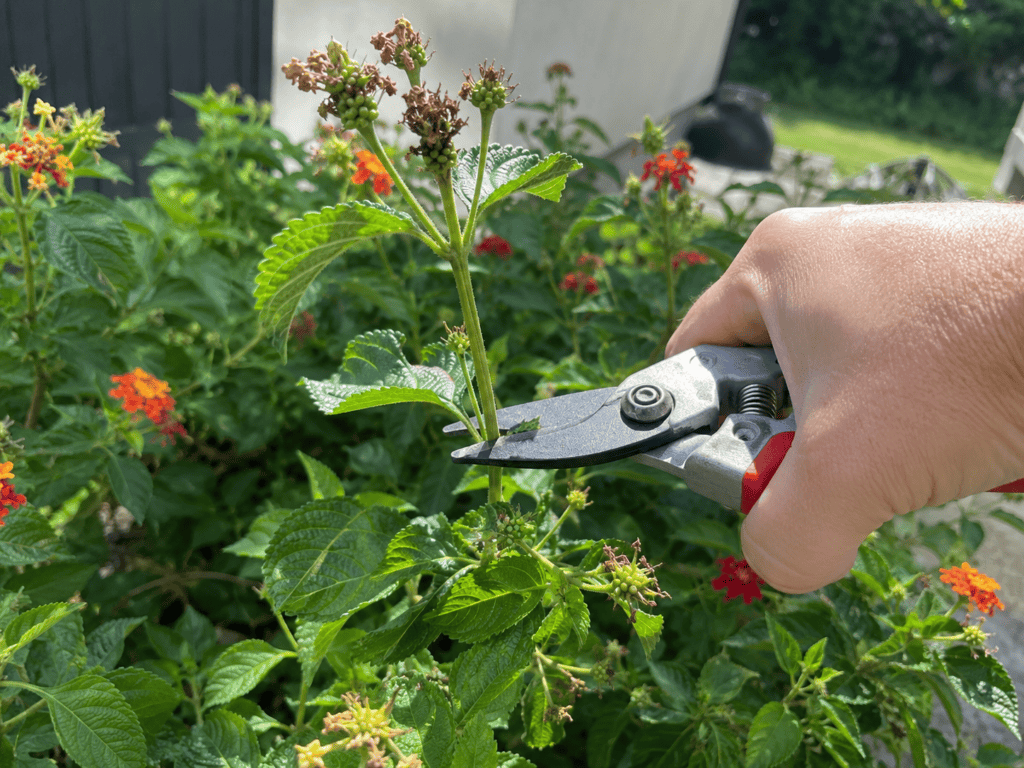
Deadheading LantanaDeadheading Lantana

The absolute number one reason lantana slows down on flowering is that it successfully did its job. Its sole biological goal is not to look pretty for your patio. Rude, I know. It wants to make seeds.

The moment clusters of tiny green berries start forming, the plant begins putting energy into seed production instead of pumping out fresh flowers. If you leave them sitting there, your bloom show is officially over for the summer.

Do not go out there with tiny embroidery scissors trying to gently pinch off every individual deadhead. You’re hot, the sun is brutal, and nobody has time for that!

If you’re still figuring out which flowers actually need this kind of cleanup, we explain it in our guide on deadheading basics and which flowers benefit most.

How to Properly Snip Lantanas

Take a pair of bypass shears and make sure they’re sharp enough to slice cleanly instead of crushing the stems. Then give the plant a bold, top-down trim.

Cut the top two to three inches off the leggy, sprawling stems, making each cut just above a leaf node. This takes off the faded flower clusters and any forming seed pods at the same time, which is exactly the point.

Yes, it’ll look like a naked, hacked-up green mound for a few days. But lantana blooms on fresh growth, so this kind of summer trim usually pushes out new tips and another round of flowers within the next couple of weeks.

The same mid-summer haircut trick works on more plants than people realize, and we explain more of them in our guide on perennials that bloom again if you cut them back mid-summer.

How (Not!) to Feed the Monster
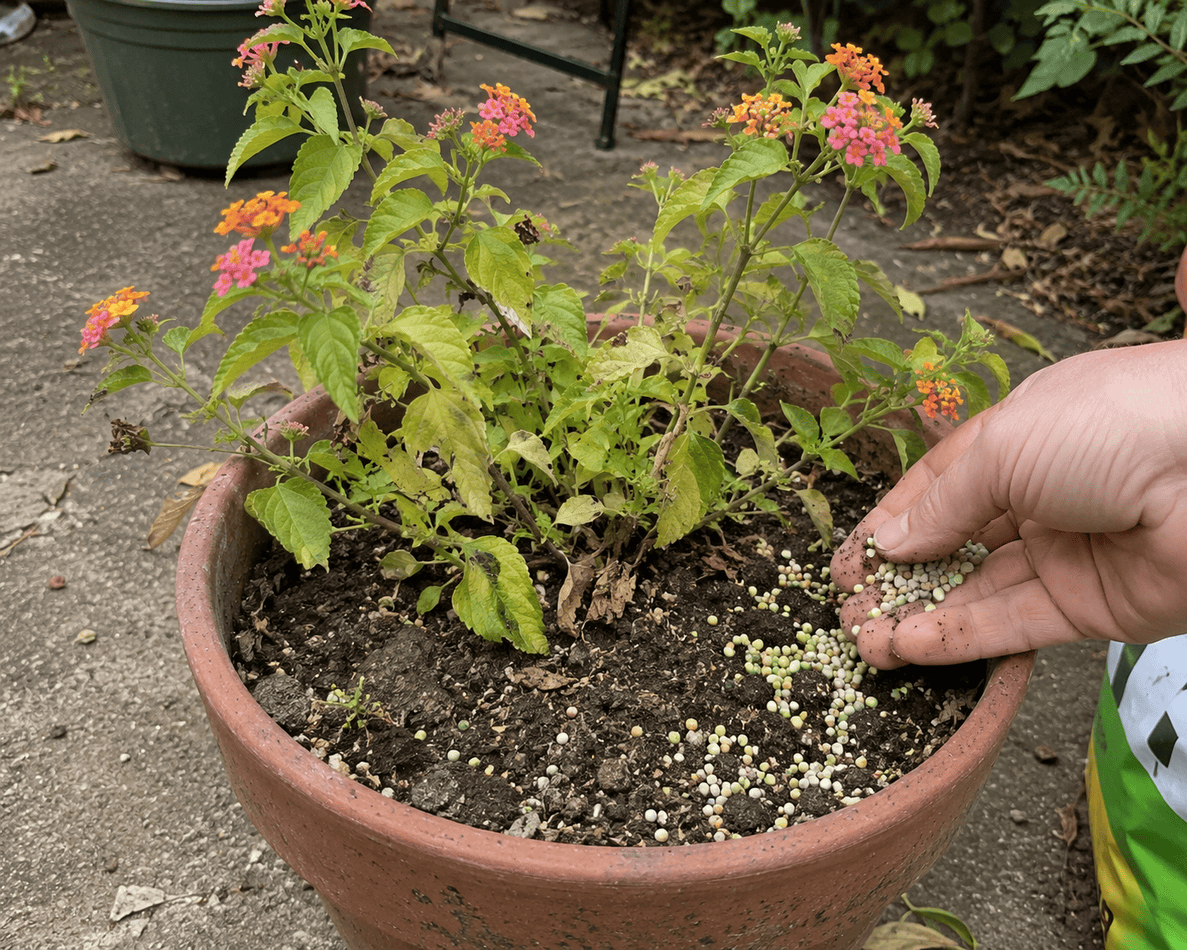
When lantana stops blooming, do not panic-feed it with blue liquid fertilizer or a heavy layer of rich compost.

  • If it’s green, leafy, and barely blooming: skip the fertilizer. That plant is not hungry. It is enjoying the buffet too much, and too much nitrogen pushes leaves instead of flowers.
  • If it’s weak, pale, and growing in a pot: use one half-strength dose of low-nitrogen bloom fertilizer, something close to 5-10-10. Tiny nudge, not an all-you-can-eat salad bar.

What If You Already Fed It?

Stop feeding and let it work through it! If it’s in a pot with drainage holes, water deeply until water runs from the bottom to help flush out excess fertilizer salts.

And if you’re building a bed that can handle this kind of blazing weather, we also put together a guide on full-sun border plants that stay pretty when summer gets brutal.

Drought-Tolerant Vs. Bone Dry
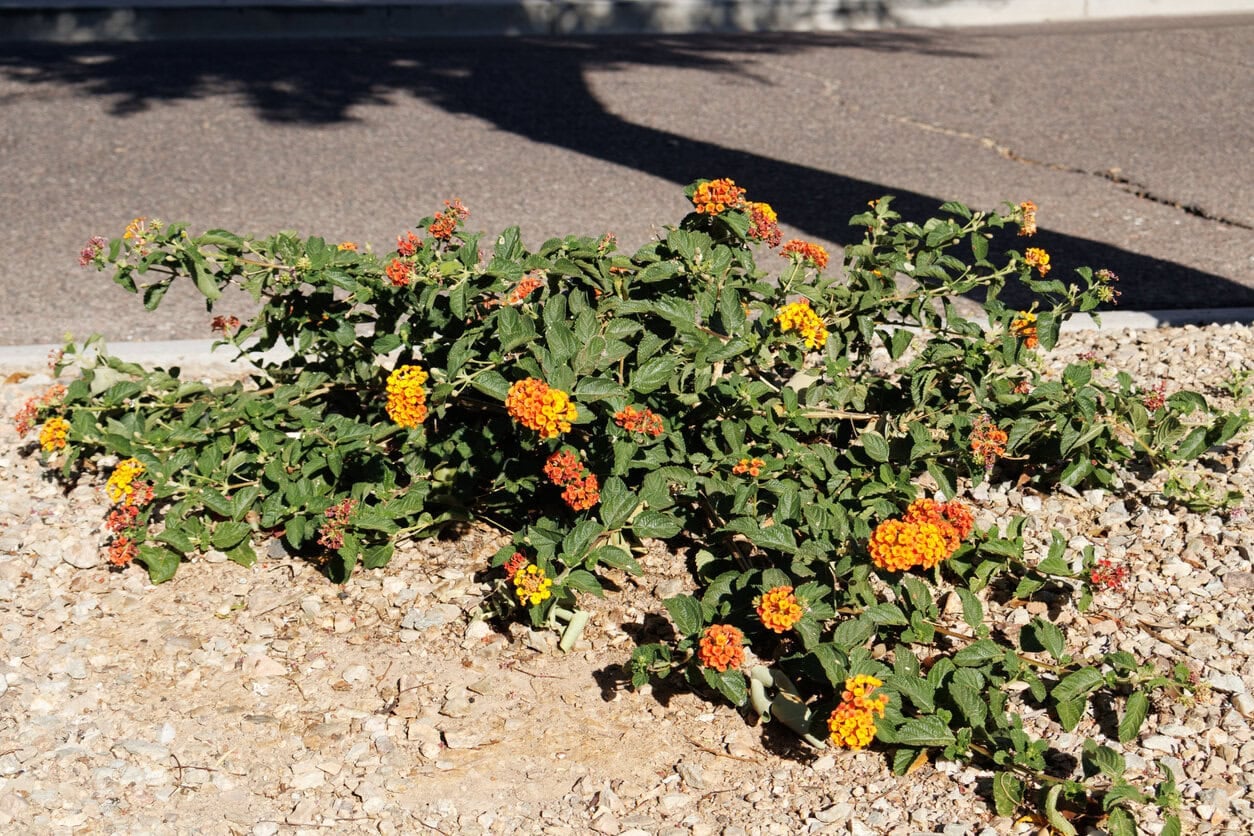
Golden lantana CamaraGolden lantana Camara

Lantana can survive dry spells, but survival is not the same as blooming its head off. Leave it bone dry for too long, and the plant may drop buds to save itself.

Skip the tiny daily sprinkles. They keep roots near the hot surface, where they basically cook. Give lantana a deep soak about once a week instead, letting the water reach the root zone.

If the top inch or two of soil dries out between waterings, do not panic. That is usually exactly what lantana prefers.

Quick tip: Clay pots and small containers may need checking more often in brutal heat.

If you want more plants with that same tough-but-colorful attitude, we wrote a guide on drought-tolerant flowers that do not sacrifice bloom time.

The Invisible Sap-Suckers
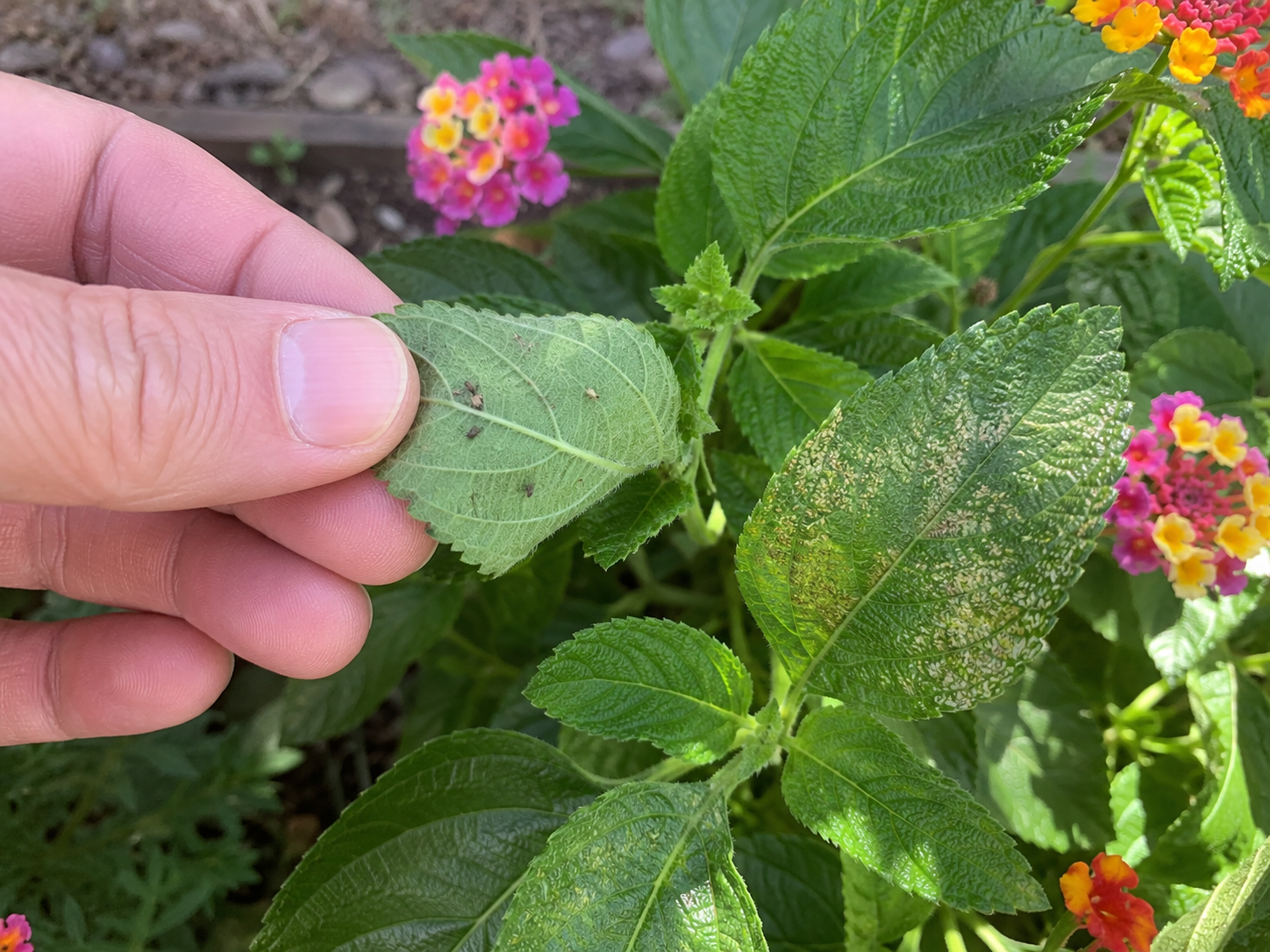
Lace bug infested lantanaLace bug infested lantana

If your lantana has full sun, decent watering, and no fertilizer overdose, but the leaves look bleached, dusty, or gray-stippled, you’re probably not dealing with heat stroke.

Check the undersides. That is where lace bugs like to hide and suck the life out of the leaves. Rude little vampires.

How to Blast Them Off

At dusk, spray the undersides of the leaves with a strong jet from the garden hose. Use enough pressure to knock the bugs loose (but not so much that you shred the plant!).

Repeat every few days until the new growth looks clean. One lazy rinse will not scare them into becoming better citizens.

Cultivar Realities
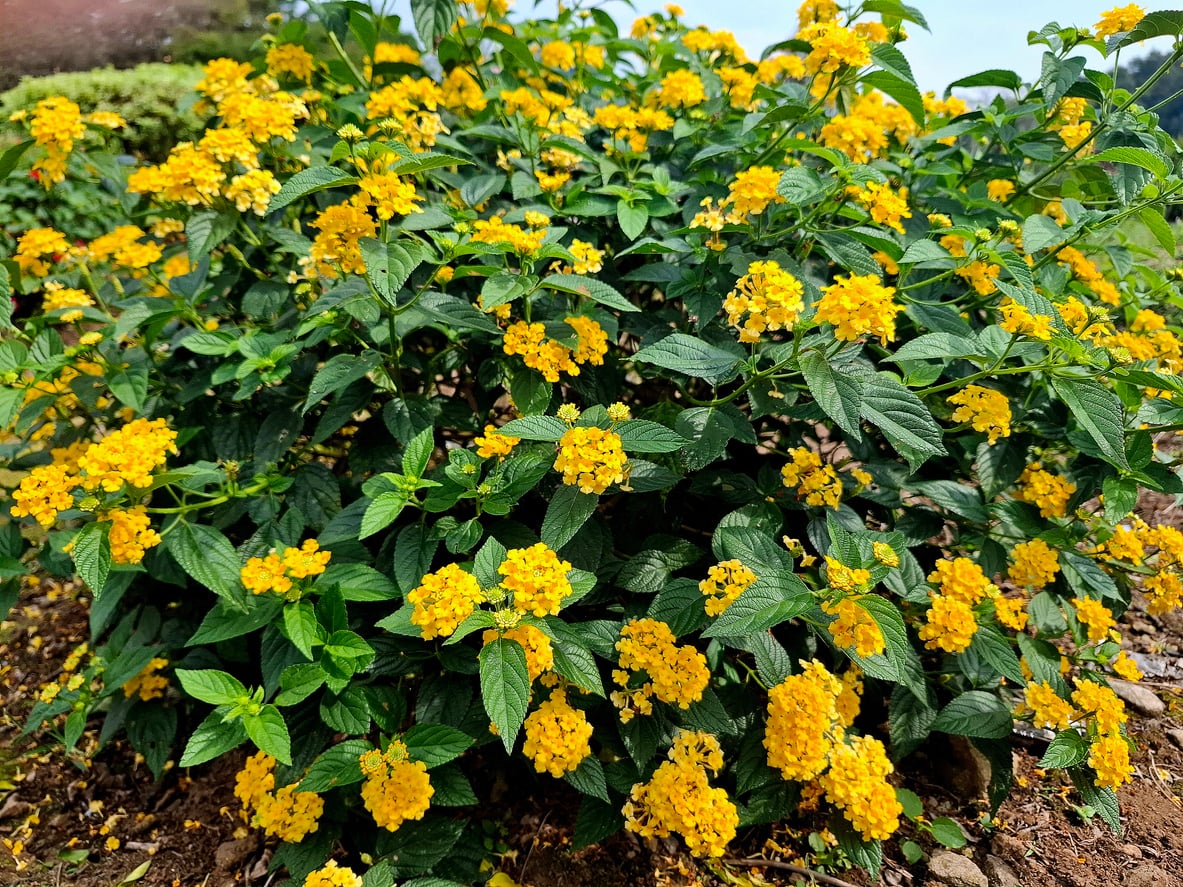
'New Gold' Lantana'New Gold' Lantana
‘New Gold’ Lantana

Finally, acknowledge the genetic limitations of what you planted. 

If you’re growing an old-school, common lantana, you’re going to be shearing off berries and faded flowers all summer. Those older types are incredibly prolific seed producers, and once they start making berries, the flower show often slows down.

If you’re planning for next season and want less deadheading drama, look for sterile or low-seed lantana varieties. ‘New Gold’ is one classic example, and newer sterile types are often labeled as non-fruiting, seedless, or sterile right on the plant tag.

Those are the ones that keep pushing color without wasting so much energy on berries. They still need sun, heat, and sensible watering, because apparently even the “easy” plants have terms and conditions.

Your Cheat Sheet for Continuous Lantana Color
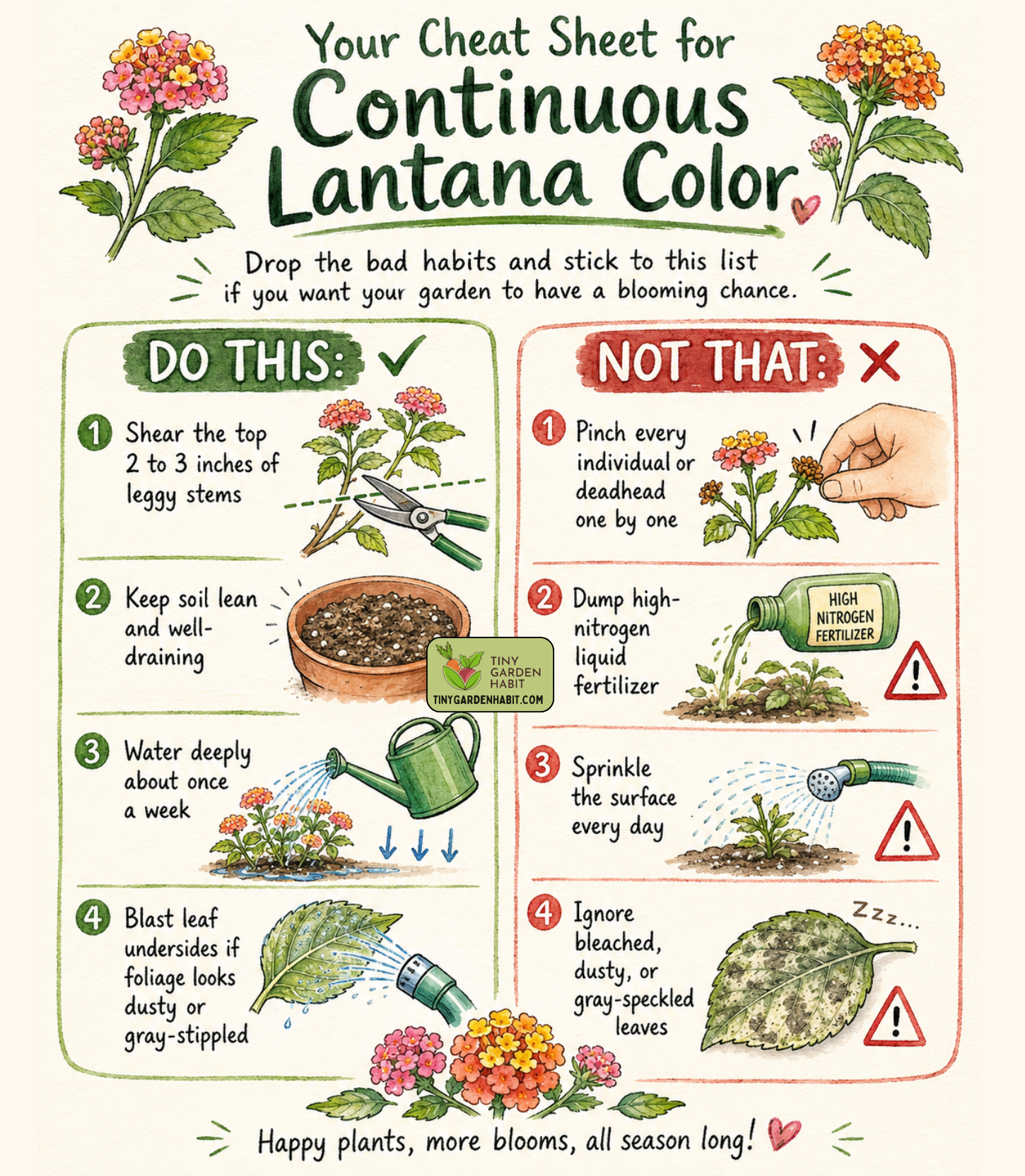
Lantana Cheat SheetLantana Cheat Sheet

Drop the bad habits and stick to this list if you want your garden to have a blooming chance.

DO THIS:

  • Shear the top 2 to 3 inches of leggy stems
  • Keep soil lean and well-draining
  • Water deeply about once a week
  • Blast leaf undersides if foliage looks dusty or gray-stippled

NOT THAT:

  • Pinch every individual flower/deadhead one by one
  • Dump high-nitrogen liquid fertilizer
  • Sprinkle the surface every day
  • Ignore bleached, dusty, or gray-speckled leaves

There’s still time to turn over a new leaf. Otherwise, just get used to your Lantana garden looking soiled all August.

If your summer beds still have sad empty patches, we also wrote a guide on flowers you can still plant in July for late-season color.

Best Buds Till the End

The thermometer is melting, but look on the bright side. The only thing left alongside the cockroaches to inherit the earth after this heatwave is your lantana. You’re welcome.

Dragana by TinyGardenHabitDragana by TinyGardenHabit

Dragana Cergna

Hey there! I’m Dragana, an ecologist with a serious soft spot for soil and the magic that sprouts from it. My Adriatic garden is a bit of a wild bunch: aromatic herbs and roses doing their fragrant thing, juicy fruits and stubborn olive trees with a Mediterranean attitude. I’m here to unearth gardening wonders; are you ready to dig in with me?

Related Articles

Leave a Reply

Your email address will not be published. Required fields are marked *

How to Keep Lantana Blooming All Summer: Heat-Proof Care Tips

The air feels like a pizza oven, the crickets are laughing at us, and staring at a non-blooming hunk of lantana foliage can drive a person right to the brink.

Let’s fix the (potential) disasters now and get those lantana blooms moving before the July sun completely roasts whatever brain cells we have left.

Why Pity Pruning Fails

Deadheading LantanaDeadheading Lantana

The absolute number one reason lantana slows down on flowering is that it successfully did its job. Its sole biological goal is not to look pretty for your patio. Rude, I know. It wants to make seeds.

The moment clusters of tiny green berries start forming, the plant begins putting energy into seed production instead of pumping out fresh flowers. If you leave them sitting there, your bloom show is officially over for the summer.

Do not go out there with tiny embroidery scissors trying to gently pinch off every individual deadhead. You’re hot, the sun is brutal, and nobody has time for that!

If you’re still figuring out which flowers actually need this kind of cleanup, we explain it in our guide on deadheading basics and which flowers benefit most.

How to Properly Snip Lantanas

Take a pair of bypass shears and make sure they’re sharp enough to slice cleanly instead of crushing the stems. Then give the plant a bold, top-down trim.

Cut the top two to three inches off the leggy, sprawling stems, making each cut just above a leaf node. This takes off the faded flower clusters and any forming seed pods at the same time, which is exactly the point.

Yes, it’ll look like a naked, hacked-up green mound for a few days. But lantana blooms on fresh growth, so this kind of summer trim usually pushes out new tips and another round of flowers within the next couple of weeks.

The same mid-summer haircut trick works on more plants than people realize, and we explain more of them in our guide on perennials that bloom again if you cut them back mid-summer.

How (Not!) to Feed the Monster

When lantana stops blooming, do not panic-feed it with blue liquid fertilizer or a heavy layer of rich compost.

  • If it’s green, leafy, and barely blooming: skip the fertilizer. That plant is not hungry. It is enjoying the buffet too much, and too much nitrogen pushes leaves instead of flowers.
  • If it’s weak, pale, and growing in a pot: use one half-strength dose of low-nitrogen bloom fertilizer, something close to 5-10-10. Tiny nudge, not an all-you-can-eat salad bar.

What If You Already Fed It?

Stop feeding and let it work through it! If it’s in a pot with drainage holes, water deeply until water runs from the bottom to help flush out excess fertilizer salts.

And if you’re building a bed that can handle this kind of blazing weather, we also put together a guide on full-sun border plants that stay pretty when summer gets brutal.

Drought-Tolerant Vs. Bone Dry

Golden lantana CamaraGolden lantana Camara

Lantana can survive dry spells, but survival is not the same as blooming its head off. Leave it bone dry for too long, and the plant may drop buds to save itself.

Skip the tiny daily sprinkles. They keep roots near the hot surface, where they basically cook. Give lantana a deep soak about once a week instead, letting the water reach the root zone.

If the top inch or two of soil dries out between waterings, do not panic. That is usually exactly what lantana prefers.

Quick tip: Clay pots and small containers may need checking more often in brutal heat.

If you want more plants with that same tough-but-colorful attitude, we wrote a guide on drought-tolerant flowers that do not sacrifice bloom time.

The Invisible Sap-Suckers

Lace bug infested lantanaLace bug infested lantana

If your lantana has full sun, decent watering, and no fertilizer overdose, but the leaves look bleached, dusty, or gray-stippled, you’re probably not dealing with heat stroke.

Check the undersides. That is where lace bugs like to hide and suck the life out of the leaves. Rude little vampires.

How to Blast Them Off

At dusk, spray the undersides of the leaves with a strong jet from the garden hose. Use enough pressure to knock the bugs loose (but not so much that you shred the plant!).

Repeat every few days until the new growth looks clean. One lazy rinse will not scare them into becoming better citizens.

Cultivar Realities

'New Gold' Lantana'New Gold' Lantana
‘New Gold’ Lantana

Finally, acknowledge the genetic limitations of what you planted. 

If you’re growing an old-school, common lantana, you’re going to be shearing off berries and faded flowers all summer. Those older types are incredibly prolific seed producers, and once they start making berries, the flower show often slows down.

If you’re planning for next season and want less deadheading drama, look for sterile or low-seed lantana varieties. ‘New Gold’ is one classic example, and newer sterile types are often labeled as non-fruiting, seedless, or sterile right on the plant tag.

Those are the ones that keep pushing color without wasting so much energy on berries. They still need sun, heat, and sensible watering, because apparently even the “easy” plants have terms and conditions.

Your Cheat Sheet for Continuous Lantana Color

Lantana Cheat SheetLantana Cheat Sheet

Drop the bad habits and stick to this list if you want your garden to have a blooming chance.

DO THIS:

  • Shear the top 2 to 3 inches of leggy stems
  • Keep soil lean and well-draining
  • Water deeply about once a week
  • Blast leaf undersides if foliage looks dusty or gray-stippled

NOT THAT:

  • Pinch every individual flower/deadhead one by one
  • Dump high-nitrogen liquid fertilizer
  • Sprinkle the surface every day
  • Ignore bleached, dusty, or gray-speckled leaves

There’s still time to turn over a new leaf. Otherwise, just get used to your Lantana garden looking soiled all August.

If your summer beds still have sad empty patches, we also wrote a guide on flowers you can still plant in July for late-season color.

Best Buds Till the End

The thermometer is melting, but look on the bright side. The only thing left alongside the cockroaches to inherit the earth after this heatwave is your lantana. You’re welcome.

Dragana by TinyGardenHabitDragana by TinyGardenHabit

Dragana Cergna

Hey there! I’m Dragana, an ecologist with a serious soft spot for soil and the magic that sprouts from it. My Adriatic garden is a bit of a wild bunch: aromatic herbs and roses doing their fragrant thing, juicy fruits and stubborn olive trees with a Mediterranean attitude. I’m here to unearth gardening wonders; are you ready to dig in with me?

Related Articles

Leave a Reply

Your email address will not be published. Required fields are marked *

Back to top button

Adblock Detected

Disable ADBLOCK to view this content!