7 Spring Hydrangea Tasks For Gorgeous Blooms
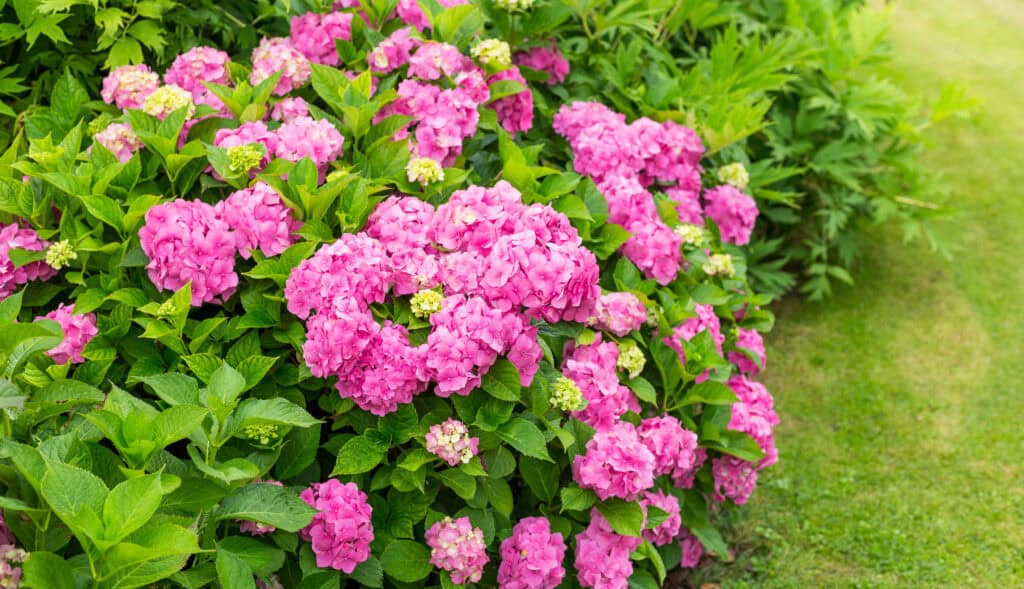
Many people think that whenever they’re growing a certain plant or flower, they just have to plant it and forget about it entirely. This couldn’t be farther from the truth.
When it comes to hydrangeas, care and maintenance are just as important as planting and fertilization. Caring for them diligently and in the right way ensures healthy and abundant blooms.
In the springtime, you can say that your hydrangeas are “waking up” and need your utmost attention for the best flowering results.
Today, I promise to share with you a few easy tasks I complete every year that provide me with guaranteed hydrangea-blooming results. Trust me, implementing these will take your hydrangeas to the next level!
Task 1: Prune Wisely (Only If Needed!)

I noticed a pattern with my friends and family that whenever I would talk to them about pruning, they’d prune their entire garden the next day. Although this may sound like a productive thing, it’s really not, especially when pruning isn’t needed at the time.
In the springtime, you want to prune hydrangea varieties that bloom on new wood. These typically include Panicle and Smooth hydrangeas. Leave Oakleaf and Bigleaf varieties alone in spring as old wood is needed for them to bloom properly.
Tip: Use clean, sharp pruning shears to carry out this task and cut at an angle to prevent diseases from harming your delicate hydrangeas.
Need a full guide? This article breaks it all down: When and How to Prune Hydrangeas!
Task 2: Feed Your Hydrangeas For Stronger Growth

Just like you need food to grow bigger and stronger, plants need feeding too. Simply planting them in basic garden soil and forgetting about it won’t work for 99% of the people reading this. Compost and store-bought fertilizers are essential to promote safe and healthy hydrangea growth.
A balanced, slow-release fertilizer with an NPK of 10-10-10 should work well for this. Generally, early spring is the best time to feed hydrangeas but some trial and error can be done to figure out the best feeding time for you.
For blue hydrangeas, you want to use a fertilizer that’s rich in aluminum sulfate. If you’re looking for a more pink tone in the flowers, try one that has a higher phosphorus concentration.
DIY Tip: Use compost or banana peels for a natural nutrient boost. There’s a common misconception that natural fertilizers don’t work as well as store-bought ones, but that’s just not true.
This guide shares some great homemade fertilizer options: Boost Hydrangea Blooms With These Easy Homemade Fertilizers!
Task 3: Adjust Soil PH For The Perfect Bloom Color

If you didn’t already know, soil acidity has a strong link with hydrangea blooms and their color. You can say that the soil pH majorly determines the color of your hydrangeas.
- A more acidic soil promotes blue flowers: You need to raise the acidity of the soil till the soil pH is anywhere between 5.2 and 5.5. You can add aluminum sulfate or coffee grounds to it.
- If your aim is to get pink flowers, alkalinity is generally better for that. Add garden lime to your soil till the soil pH is anywhere between 6.0 and 6.2.
White hydrangeas unfortunately do not have a link with soil pH. If you want to learn about changing your hydrangea flowers color, this guide has everything you need to know: How to Change the Color of Your Hydrangeas Naturally.
Task 4: Mulch To Retain Moisture & Suppress Weeds

Mulch is extremely important for hydrangea growth. It provides insulation and keeps the plants stable and healthy when conditions turn adverse.
Apply 2-3 inches of mulch around the base of your hydrangeas to regulate soil temperature and moisture.
If you’re confused about what materials to use as mulch, pine bark, shredded leaves, compost, and straw work very well.
Task 5: Water Deeply & Consistently

Hydrangeas are not the kind of plants you want to take lightly when it comes to watering.
They thrive in constantly moist soil that has sufficient drainage to keep it from becoming overly soggy. Do not let your hydrangeas dry out!
Water your hydrangeas 1-2 times per week depending on the season and your overall climate conditions.
n the summertime, watering sessions should be slightly more frequent than in the rest of the seasons as the plants will be more susceptible to drying out in the heat.
Tip: If you have a soaker hose, use it for slow and deeper watering. Your hydrangeas will definitely appreciate the effort.
Task 6: Watch For Pests & Diseases

In the springtime, pests can become a real nuisance in the garden.
These tiny monsters feed on hydrangea flowers and foliage, making them weaker and leading them to a miserable slow death. Aphids, spider mites, and thrips are usually to blame for this.
Fungal issues like root rot and powdery mildew are also very common with hydrangeas.
Keeping good airflow and avoiding the urge to overwater your plants can prevent more than half of these issues. For pest control, chemical pesticides or strong essential oils like peppermint or neem oil are your best bet.
Task 7: Give Support For Tall & Heavy Blooms

If your hydrangea blooms look very weak and droopy, use plant supports or stakes to keep them from drooping and touching the ground as they will likely pick up fungal or bacterial disease.
Hydrangeas in windy areas benefit from a sheltered spot or light staking.
But if they’re still droopy even with support, there might be an underlying issue. This guide covers the possible causes and how to fix them: Why Is My Hydrangea Drooping? Common Causes and Solutions!
Conclusion

If you’re going to take away anything from this article, it should be this: hydrangeas require very specific spring care and you must be able to provide that if you want them to grow the best they can.
Whether it’s watering deeply, implementing pest control tactics, or pruning, all the tasks we discussed today can be learned just by doing them repeatedly over a long period of time.
Start your hydrangeas now for the best summer blooms of your life! If you have any favorite hydrangea care tips, make sure to drop them in the comments below. Happy planting!

I’m Rita, passionate about flowers, plants and growing my own vegetables at home. I live in an apartment, but I still have my garden, I intend to use all my knowledge to help you also have a lively, happy and productive garden (even in an apartment).