15 Heat-Tolerant Flowers to Plant in May (That Won’t Struggle in Summer)

Even if nurseries were amateur-gardener-friendly, you won’t find flowers under the “most likely to survive a heatwave while you’re on vacation” category. You’re lucky if half the trays have name tags that haven’t faded yet.
So here it is: your beginner-friendly cheat sheet for heat-tolerant flowers that can actually handle May planting and the summer drama that follows. And if your whole garden is basically auditioning for the role of “crispy yard,” we also have a guide on drought-tolerant flowers that still bring plenty of color.
Annuals That Live Fast and Don’t Dry Young
These are the flowers that plan on going out in a blaze of glory rather than collapsing into a pile of dust by July.
1. Celosia (USDA Zones 2-11)
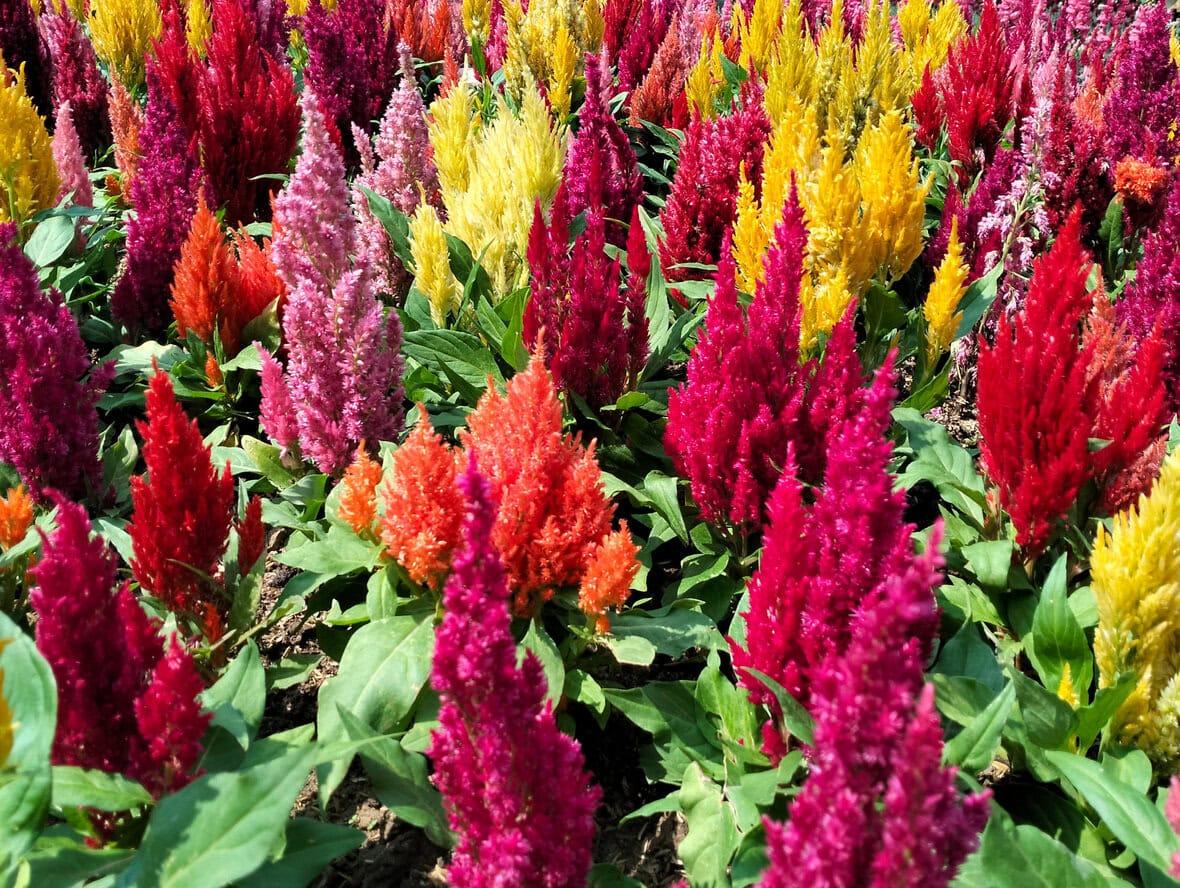
These look like colorful brains or feathery torches, which is fitting since they’re smart enough to love the heat. Celosia doesn’t do subtle. It wants to be the weirdest thing in your yard while the sun tries to roast everything else around it. And fails.
Quick tip: If young celosia starts growing tall and skinny, pinch it back early so it branches instead of becoming one dramatic feather on a stick. Keep it watered while it settles in, but don’t leave it sitting in soggy soil.
2. Vinca (USDA Zones 2-11)

This is the plant for gardeners-to-be who forget that watering is a thing. It has glossy leaves that look suspiciously healthy even when the ground feels like lava. It’s the cool girl of your summer garden: flawless, hydrated, and totally effortless.
Quick reminder: Also, this is one of those “pretty but don’t snack on it” plants, so keep curious pets and kids from nibbling!
3. Moss Rose (USDA Zones 2-11)

It hoards water in its little succulent leaves, then waits for the hottest, rudest part of the day to show off. It’s a low-spreading groundcover that can self-seed if it’s happy, so plant it where you wouldn’t mind seeing more of it next year.
Quick tip: Treat moss rose more like a succulent than a thirsty bedding plant. It blooms best when the sun is blazing, the soil dries between waterings, and you resist the urge to “help” it with rich, wet soil.
If you’re not sure which flowers appreciate a little haircut and which ones will hold a grudge, we explain which flowers to pinch back and which ones to leave alone.
4. Cosmos (USDA Zones 2-11)

Although it looks like it would snap in a breeze, cosmos is made of tougher matter. It prefers unimpressive soil and seems to rely on your forgetfulness and doomscrolling schedule. Treat them too well and they’ll stop blooming just like that.
Quick tip: Skip the fertilizer buffet. Cosmos blooms better when life is a little mediocre, so give it sun, don’t overfeed it, and snip off spent flowers if you want more blooms instead of a lanky green jungle.
5. Marigolds (USDA Zones 2-11)
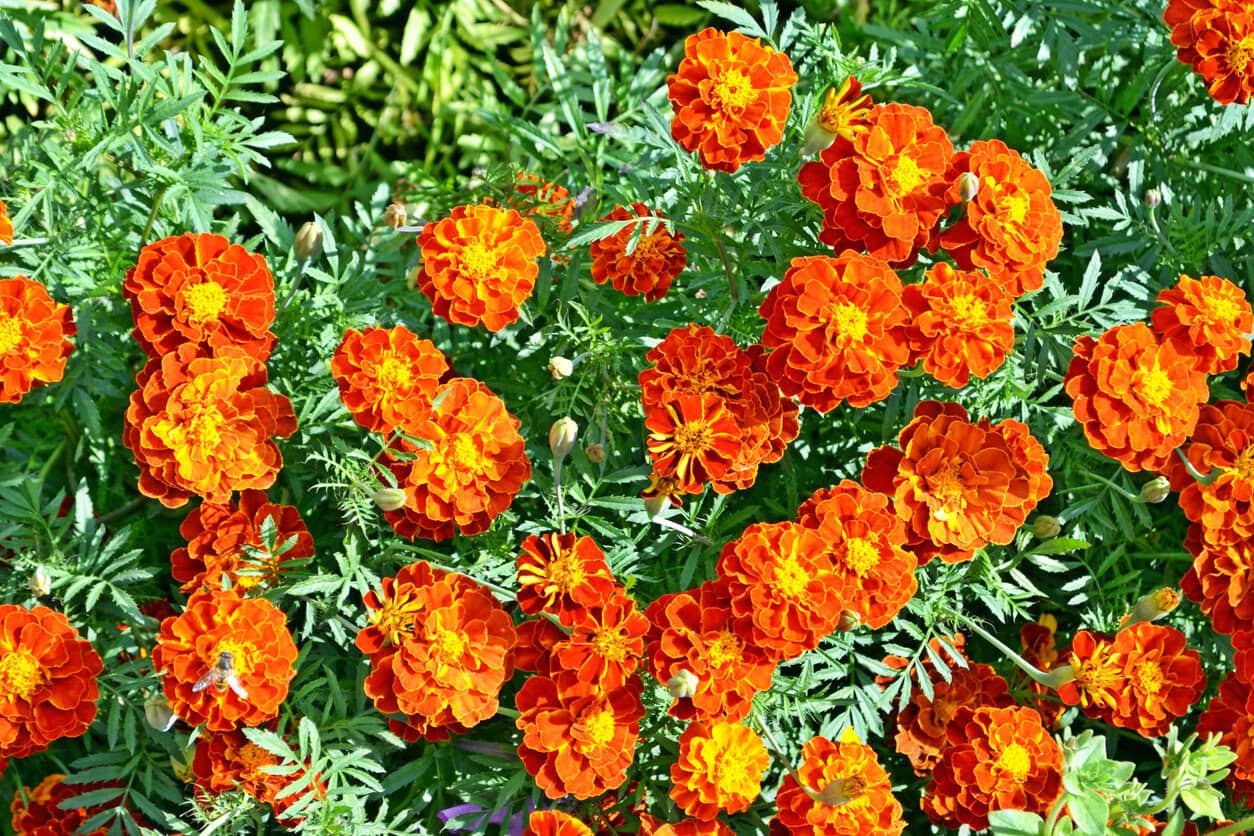
They smell musky and look like ruffled 70s curtains, and if that isn’t a weird combo, they also have a longstanding feud with certain garden pests. While other flowers are fainting, marigolds are standing tall, unbothered by the sun or the fact that they’re a trap crop.
Quick tip: Deadhead the crispy blooms when you walk by, even if you only do it with your fingers and zero ceremony. It keeps the plant making fresh flowers instead of putting energy into seeds.
If your marigolds look exhausted by mid-summer, we also have a guide on rejuvenating tired marigolds with one trim.
6. Lantana (USDA Zones 2-11)
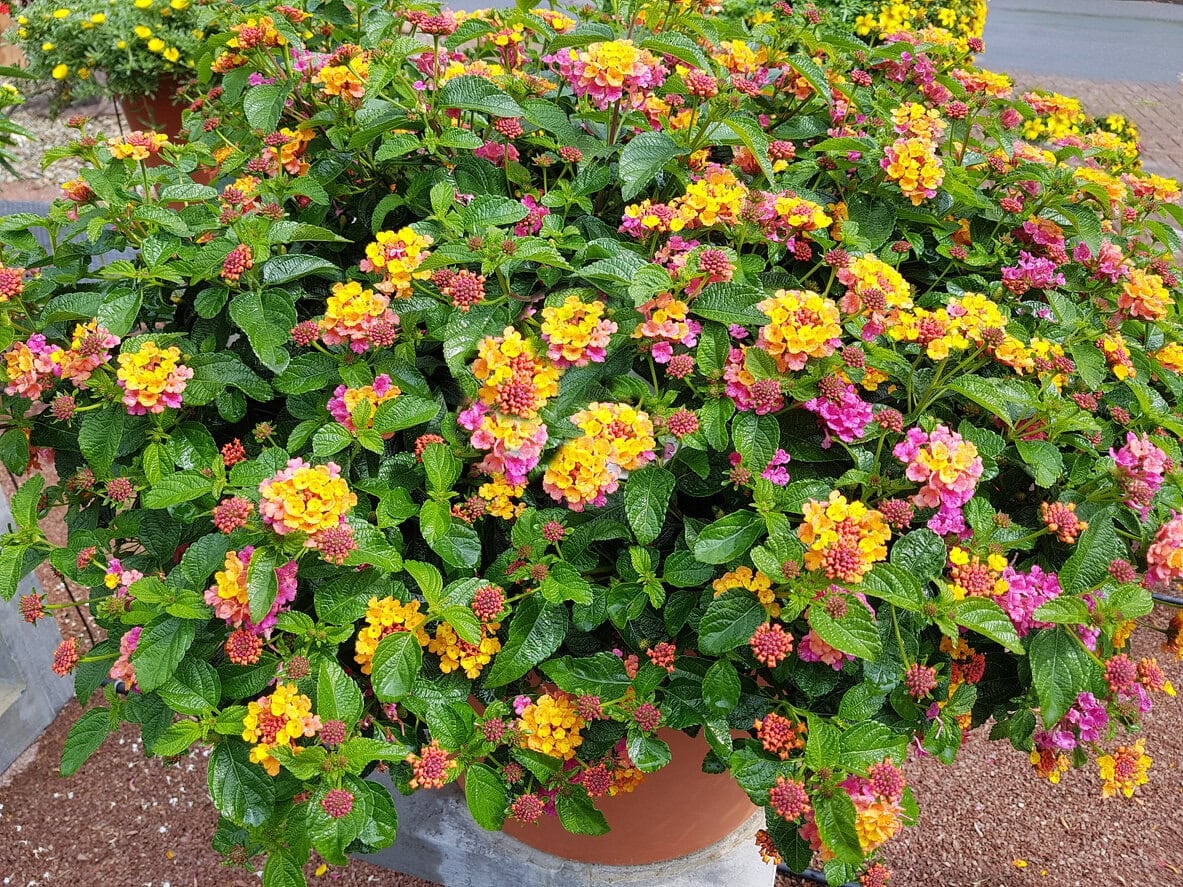
Lantana runs on pure spite and UV rays. While every other plant is wilting, its clusters are busy hosting a butterfly rave. Deer usually ignore it, treating your garden like a zero-star restaurant.
Quick reminder: Check whether lantana is considered invasive in your area before giving it free rein, because this plant does not always understand personal boundaries. It’s also one I’d keep away from nibbling pets and curious kids, especially the leaves and berries.
7. Gomphrena (USDA Zones 2-11)
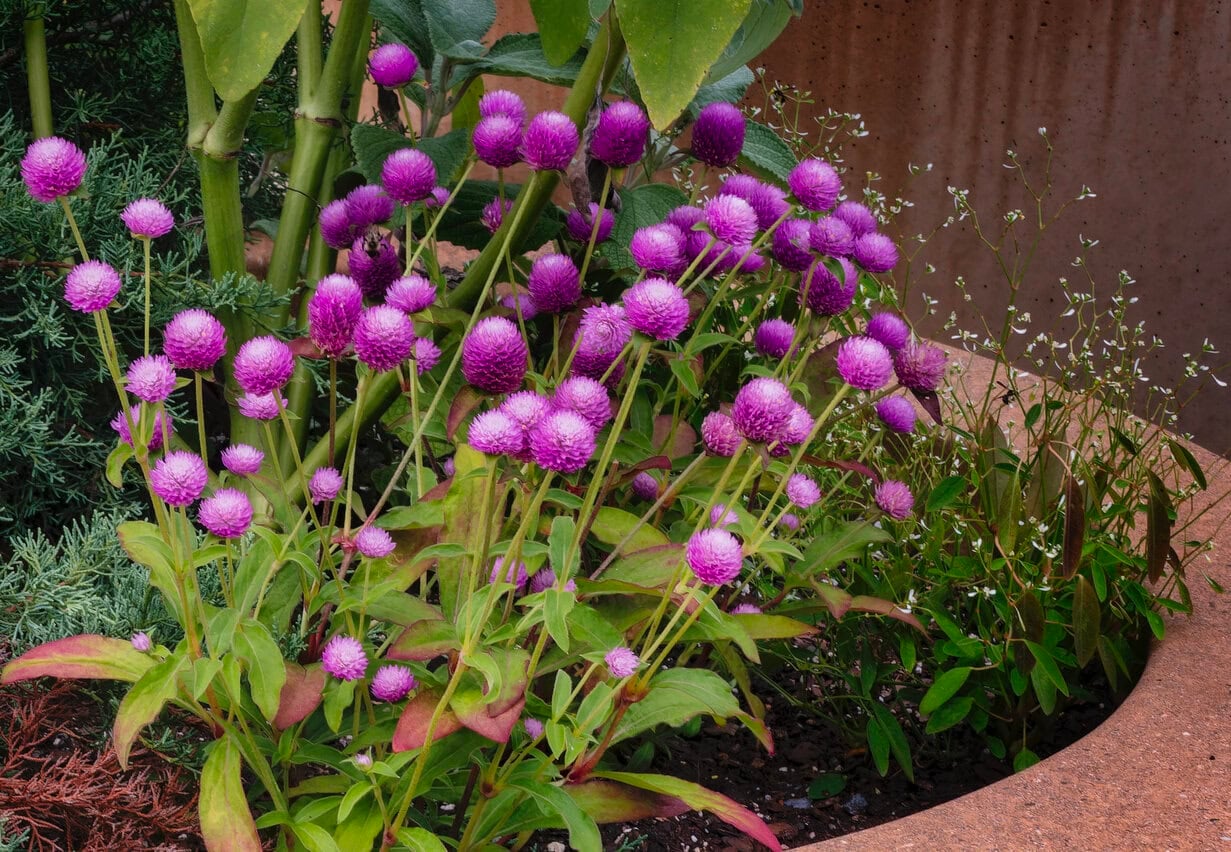
Globe amaranth flowers look like tiny strawberries. Except they have a very not-strawberry papery texture because they’ve already decided moisture is overrated. Gomphrena will stay purple and perky long after the July heat has crushed your spirit.
Quick tip: Cut the flowers often. Gomphrena is one of those plants that seems to think pruning is applause, and the papery blooms dry beautifully if you hang them upside down somewhere airy.
8. Zinnia (USDA Zones 2-11)

Zinnias will pump out blooms through summer heat just to make your tired lawn look worse. Plant them in a sunny spot and they’ll grow themselves while you’re inside hiding like the sane person you are.
Quick tip: Water zinnias at the base, not over the leaves, because powdery mildew loves damp foliage and bad decisions. Cut flowers often for bouquets, and the plant usually answers with more.
If zinnias are your gateway flower, we explain exactly how to deadhead zinnias so they keep blooming instead of sulking into seed mode.
Sun-Kissed and Totally Unbothered Perennials
These perennials have deep roots and even deeper grudges against wilting.
9. Coneflower (USDA Zones 3-9)

With roots diving deeper than most people’s romantic commitment, coneflowers treat a drought like an inconvenience once they’re established. As your grass slowly turns into a crisp memory, echinacea is busy pulling moisture from the underworld just because it can.
Leave a few seed heads later in the season if you want birds to treat your garden like a snack bar!
Quick tip: Baby coneflowers a little during their first season, then let them act tough later. Once the roots settle in, you can deadhead for more flowers.
If you’re never sure what to cut and what to leave, we have a full coneflower deadheading guide that makes the choice less mysterious.
10. Rudbeckia (USDA Zones 3-9)
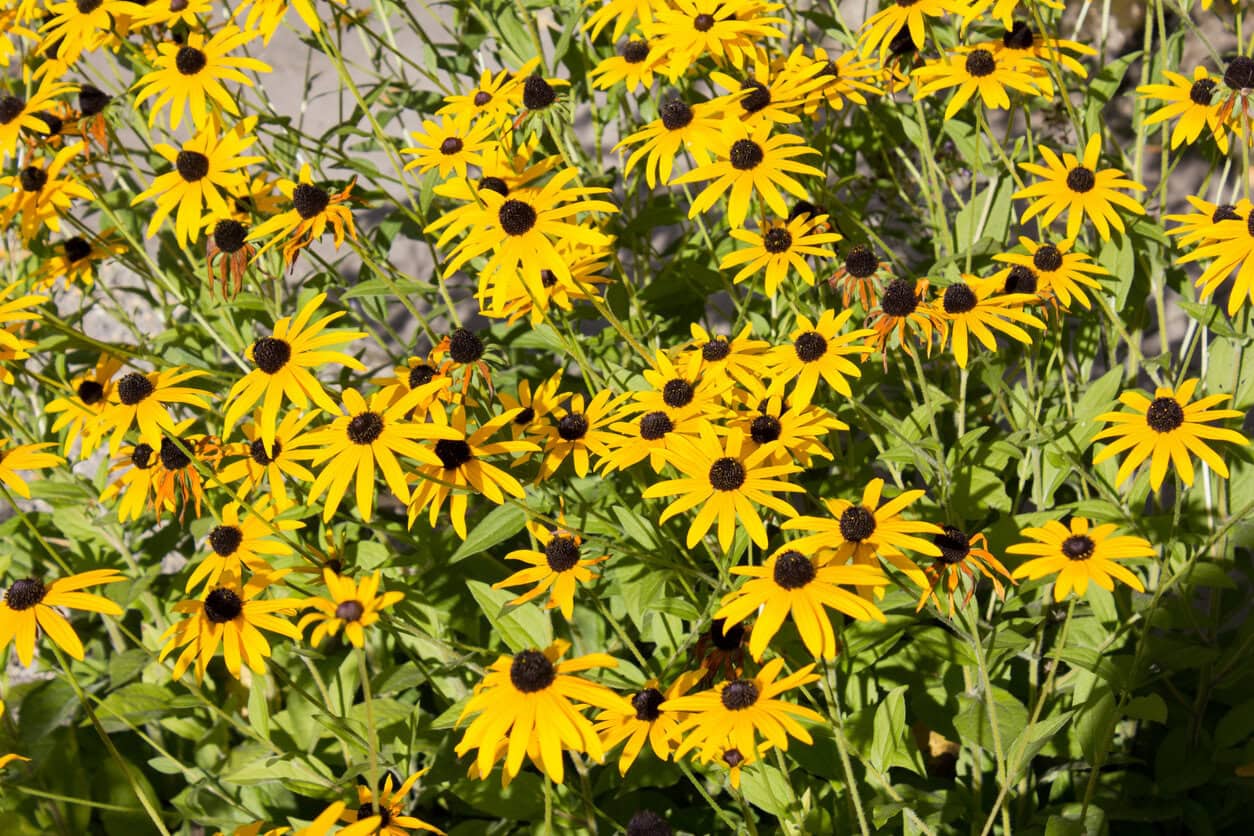
Black-eyed Susans don’t just survive the sun. They colonize it, turning your scorched backyard into a defiant, golden sprawl while you’re browsing online for a new AC.
Some varieties will happily self-seed, too, which is either free flowers or a tiny hostile takeover, depending on how much bare soil you gave them.
Quick tip: Deadhead if you want the plant to keep blooming neatly, but leave some dried heads later in the season for birds and bonus seedlings.
11. Blanket Flower (USDA Zones 3-10)

Imagine a plant that thinks bad soil is a luxury. Blanket flowers actually get grumpy if you pamper them with fancy fertilizer. They’re the desert-dwellers of your non-desert garden, blooming harder as the temperature climbs into the “is this even legal?” range.
Quick tip: Skip the rich compost buffet and go easy on water once they’re established. The fastest way to annoy blanket flower is to tuck it into rich, soggy soil like it’s a tomato. Deadhead to stretch the bloom show.
12. Salvia (USDA Zones 4-10)

These colorful spikes are the garden’s version of a cold shower during a humid July. Deer treat them like they’re flavored with battery acid, which means those purple, blue, pink, or red towers remain standing long after your neighbor’s lilies have been eaten to the nub.
Quick tip: When the flower spikes fade, give the plant a light haircut instead of staring at the brown sticks in disappointment. Many salvias will push out another round of blooms if you don’t let them sit there looking retired.
13. Russian Sage (USDA Zones 4-9)

It’s essentially a silvery cloud that drinks very little and demands even less, thriving when the sun starts melting the driveway. If you want a plant that looks like a lavender dream but stays as stubborn as a bad tan line, this is it.
Quick tip: Water Russian sage regularly during its first season, then stop pampering it once established! Give it space and don’t smother it with rich soil, soggy mulch, or constant watering unless you want a floppy silver drama queen.
We also explain how to keep salvia blooming through summer if yours starts acting like it already clocked out.
14. Coreopsis (USDA Zones 4-9)

While other flowers are signing out at the first sign of a dry spell, coreopsis is busy throwing a gold-themed party. It’s one of those low-maintenance flower, carpeting the soil in sunshine even if you haven’t touched a hose since the last time you washed your car (which is never).
Quick tip: If coreopsis starts looking tired, don’t assume it’s done for the year. Shear it back lightly after a big bloom flush, water it, and it may come back with another round like it forgot it was exhausted.
If you like the idea of giving tired plants one dramatic mid-summer reset, we also explain which perennials bloom again if you cut them back.
15. Monarda (USDA Zones 3-9)
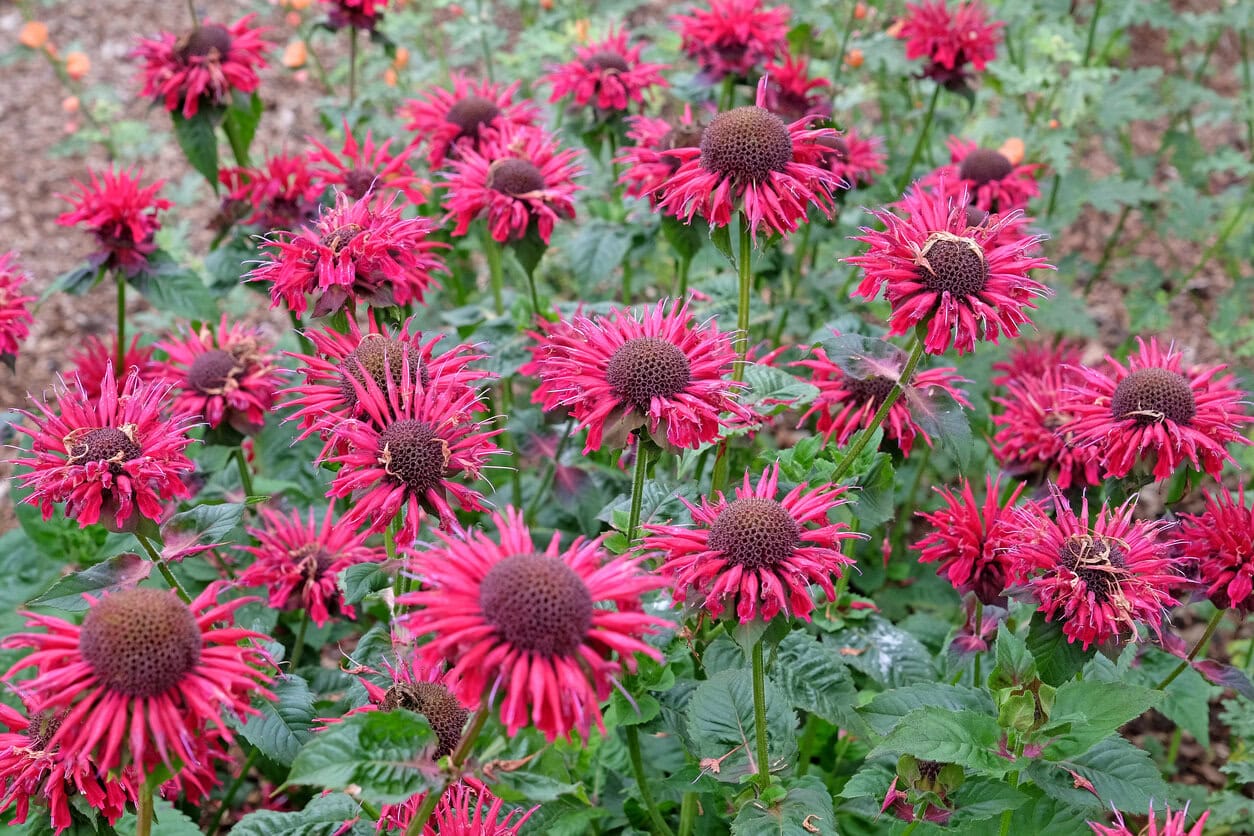
Who doesn’t like bee balm’s shaggy, “just rolled out of a blender” aesthetic? It’s one of those eccentrics that stays lively and nectar-heavy when summer gets loud, as long as you don’t treat it like a cactus.
Monarda is also a dependable refueling station for every bee, hummingbird, and butterfly in a three-mile radius. Or more. It can also spread by underground runners, so give it room or divide it when it starts acting like it pays rent.
Quick tip: Bee balm likes summer, but it is not a cactus in a shaggy wig. Keep the soil from drying out completely, give it airflow, and water near the base so powdery mildew has fewer reasons to move in.
To Pot or Not
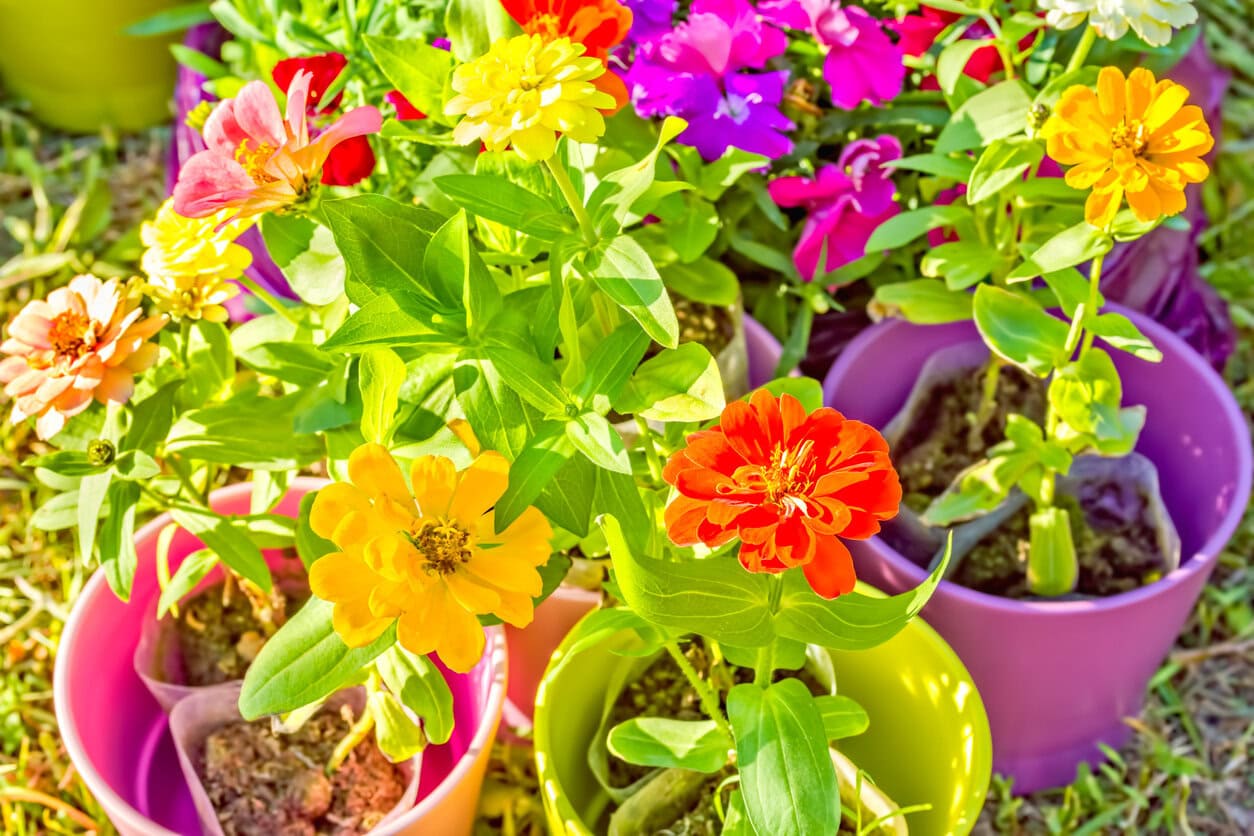
Some plants want a Personal Outdoor Territory, commonly known as P.O.T., while others need to sprawl across the yard.
- Best for the ground: cosmos, coneflowers, rudbeckia, blanket flower, salvia, Russian sage, coreopsis, and bee balm.
- Best for pots: vinca, moss rose, celosia, gomphrena, marigolds, zinnias, and lantana.
If your patio gets blasted with sun all day, we also wrote a guide on outdoor plants for full-sun pots that can handle that hot-container drama.
The reason is simple: pots heat up fast and dry out even faster. Container-friendly plants can handle that drama better, especially if the pot has drainage holes and enough room for roots.
Garden soil acts more like an insulated thermos, staying cooler and holding moisture longer while the surface sizzles. That matters most for deeper-rooted perennials, taller plants that can flop in small pots, and moisture-appreciating plants like bee balm.
Just remember: a pot is basically a tiny desert on a pedestal and “heat-tolerant” isn’t a synonym for “invincible.” Even these tough guys need a drink occasionally during a heatwave, especially when they’re newly planted or sitting in full afternoon sun.

Hey there! I’m Dragana, an ecologist with a serious soft spot for soil and the magic that sprouts from it. My Adriatic garden is a bit of a wild bunch: aromatic herbs and roses doing their fragrant thing, juicy fruits and stubborn olive trees with a Mediterranean attitude. I’m here to unearth gardening wonders; are you ready to dig in with me?