14 Perennials That Bloom Multiple Times A Year

When I was younger, all I wanted was to see the flowers in my mom’s garden bloom every day of the year.

Now that I’m older and passionate about gardening myself, I still have the same wish: for my perennials to bloom forever

Although there are no perennials that can bloom for so long, some do have the ability to bloom multiple times a year, and today’s article is all about them! Let’s dive into finer details, shall we?

What Makes A Perennial Rebloom?

GaillardiaGaillardia

Most popular perennials that we all know and love naturally bloom in cycles. When their blooming period comes around, they bloom. And, after some time, those blooms fade.

Some perennials will bloom again if deadheaded or lightly pruned the right way.

It doesn’t have to be excessive, just enough to provide a stimulus. Weather conditions, care routine, and sunlight also play a role in this.

14 Perennials That Keep Coming Back With More Blooms

1: Coreopsis (USDA Zones 4-9)
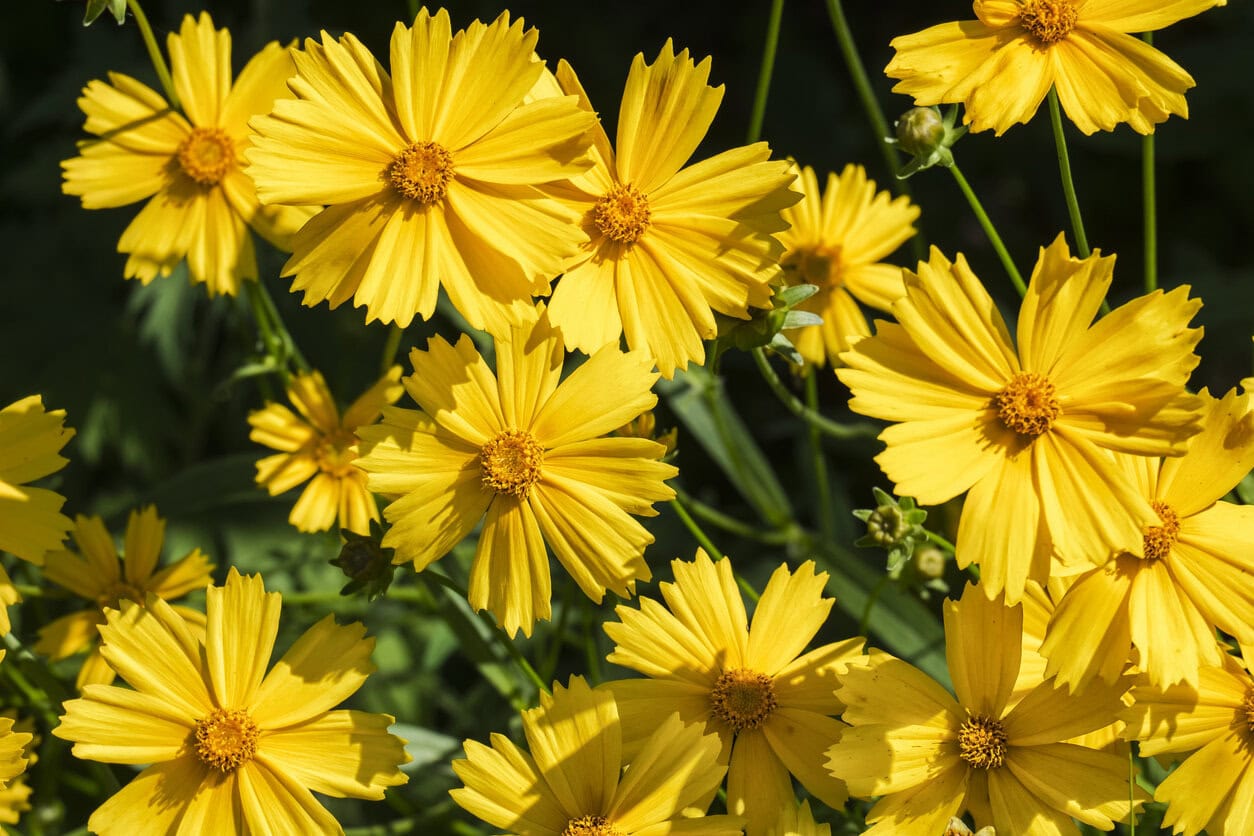
Coreopsis (Coreopsis lanceolata)Coreopsis (Coreopsis lanceolata)
Coreopsis

Coreopsis offers sunny yellow and baby pink flowers that are known to bloom for very long periods of time and often rebloom if deadheaded properly

2: Salvias (USDA Zones 3-8)

Russian SageRussian Sage
Russian Sage

Salvias attract pollinators like bees and hummingbirds to the garden with their vibrant, nectar-rich blooms in early summer as well as in fall after a light prune. 

3: Catmint (Nepeta) (USDA Zones 3-8)

CatnipCatnip
Catmint

Catmint is a very hardy, drought-tolerant perennial that offers soft purple and blue flowers that come back quick after a light trim. 

4: Daylilies (Reblooming Varieties) (USDA Zones 3-9)

Stella d'Oro DayliliesStella d'Oro Daylilies
Stella d’Oro Daylilies

Although not all daylily varieties rebloom, certain types like ‘Stella De Oro’ absolutely can. They bloom in cycles from spring all the way to fall

Pet note: I’d be careful with daylilies if you have cats, since they can be very dangerous for them. Dogs may get an upset stomach if they chew on them too, so this one is best kept away from curious pets.

5: Veronica (Speedwell) (USDA Zones4-9)
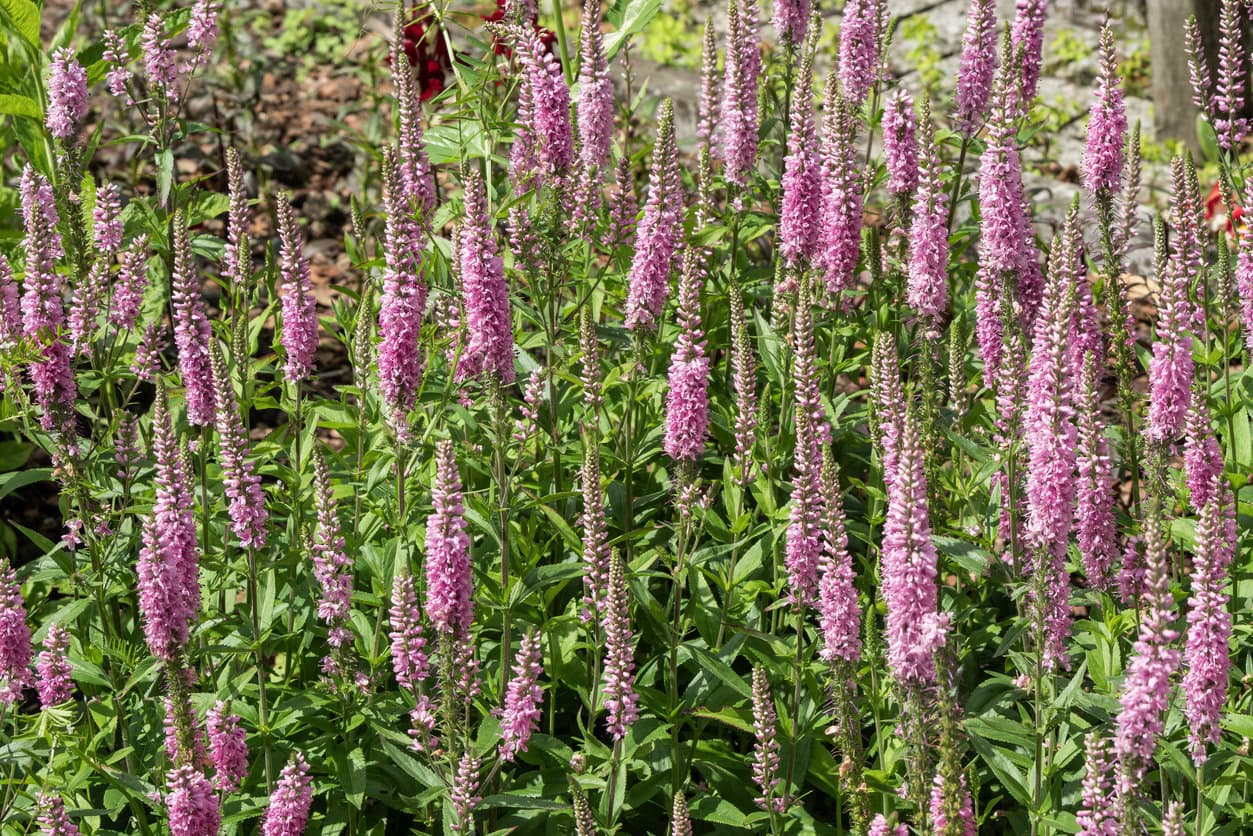
Spike Speedwell Veronica 'Pink Damask'Spike Speedwell Veronica 'Pink Damask'
Spike Speedwell

Veronicas offer tall spikes of colorful flowers that rebloom with regular deadheading. They’re perfect for making garden borders look pretty and elegant. 

6: Blanket Flower (Gaillardia) (USDA Zones 3-9)

Blanket FlowerBlanket Flower
Blanket Flower

Blanket flowers practically bloom nonstop in warm weather, as long as they’re cared for correctly. They’re also quick to rebloom when cut back. 

7: Shasta Daisy (Improved Varieties) (USDA Zones 4-9)

Shasta Daisy (Leucanthemum)Shasta Daisy (Leucanthemum)
Shasta Daisy

Certain Shasta daisy varieties bloom again in late summer after already blooming in spring. They offer classic white petals with yellow centers. 

8: Coneflower (USDA Zones 3-9)

ConeflowersConeflowers
Coneflowers

Coneflowers are super easy to grow and maintain. They bloom for a very long time and self-sow quite easily. You want to cut back this perennial lightly to encourage reblooming

9: Yarrows (USDA Zones 3-9)

Yarrow (Achillea)Yarrow (Achillea)
Yarrow

This low-growing perennial blooms early and may rebloom in late summer too. It’s perfect for drawing pollinators to dry gardens.  

Pet note: Yarrow is one I’d plant with a little caution if you have pets that like to nibble. It can be toxic to dogs and cats, so I’d keep it out of reach or choose a more pet-friendly option.

10: Geranium (Cranesbill) (USDA Zones 4-8)

Geranium CranesbillGeranium Cranesbill
Geranium Cranesbill

Geraniums are hardy perennials with multiple bloom cycles throughout the year. They have a low-growing nature and are great for planting around the edges of a garden

11: Hellebores (USDA Zones 4-9)

HelleboresHellebores
Hellebores

Hellebores are known for winter/spring blooms, but some varieties keep flowering into summer. They’re quite shade-tolerant and low maintenance, meaning easy to care for in the long run. 

Pet note: Hellebores are beautiful, but they’re not the best choice for spots where dogs or cats can chew on them. They’re considered toxic to pets, so I’d plant them with care.

12: Penstemon (USDA Zones 4-9)

PenstemonPenstemon
Penstemon

This perennial offers vibrant, bell-shaped flowers in shades of blue, lavender, and deep red. These blooms are especially loved by bees and return if cut back after their flowering period. 

13: Scabiosa (Pincushion Flower) (USDA Zones 3-7)

ScabiosaScabiosa
Scabiosa

Scabiosa flowers are compact and bloom all season long with regular deadheading. The delicate, button-like flowers shine bright in the garden, especially if paired with darker, contrasting plants. 

14: Black-Eyed Susan (USDA Zones 3-9)
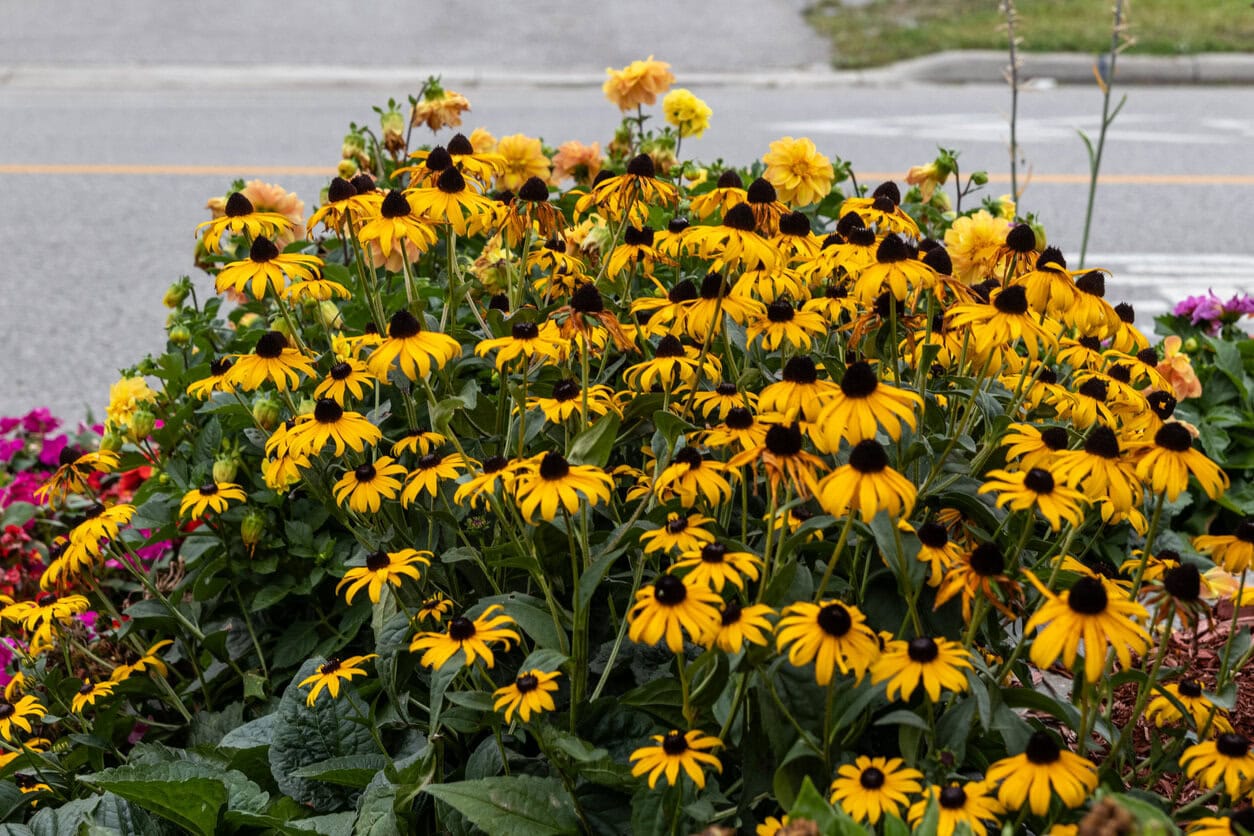
Black-eyed Susans RudbeckiaBlack-eyed Susans Rudbeckia
Black-eyed Susans

Rudbeckia flowers bloom for weeks at a time and often rebloom when trimmed. They’re great for adding color and a classic sunny flair to the garden in late summer. 

Pet note: Black-eyed Susans are usually more of a mild concern, but they can still cause stomach upset if pets eat them. If your dog or cat is a plant-chewer, I’d keep an eye on this one.

Tips To Keep Perennials Blooming Longer

Deadheading ConeflowersDeadheading Coneflowers
  • Deadhead regularly to encourage new blooms;
  • Water more frequently during dry spells, especially in the summer when the daytime heat can possibly damage delicate perennials;
  • Fertilize with a balanced blend during bloom periods. 

Conclusion

In my opinion, perennials that bloom multiple times a year are the best kind of perennials. I mean…who in their right mind wouldn’t want his/her garden to be blooming and filled with bright color all the time? I’d love it!

Unfortunately, we don’t have year-round blooming perennials (yet?), so perennials that bloom multiple times a year with gaps are your best bet.

Certain perennials return naturally on their own, while others may need a little push in the form of a light trim to get going and begin reblooming. 

Rita DiasRita Dias

Rita Dias

I’m Rita, passionate about flowers, plants and growing my own vegetables at home. I live in an apartment, but I still have my garden, I intend to use all my knowledge to help you also have a lively, happy and productive garden (even in an apartment).

Related Articles

Leave a Reply

Your email address will not be published. Required fields are marked *

14 Perennials That Bloom Multiple Times A Year

When I was younger, all I wanted was to see the flowers in my mom’s garden bloom every day of the year.

Now that I’m older and passionate about gardening myself, I still have the same wish: for my perennials to bloom forever

Although there are no perennials that can bloom for so long, some do have the ability to bloom multiple times a year, and today’s article is all about them! Let’s dive into finer details, shall we?

What Makes A Perennial Rebloom?

GaillardiaGaillardia

Most popular perennials that we all know and love naturally bloom in cycles. When their blooming period comes around, they bloom. And, after some time, those blooms fade.

Some perennials will bloom again if deadheaded or lightly pruned the right way.

It doesn’t have to be excessive, just enough to provide a stimulus. Weather conditions, care routine, and sunlight also play a role in this.

14 Perennials That Keep Coming Back With More Blooms

1: Coreopsis (USDA Zones 4-9)

Coreopsis (Coreopsis lanceolata)Coreopsis (Coreopsis lanceolata)
Coreopsis

Coreopsis offers sunny yellow and baby pink flowers that are known to bloom for very long periods of time and often rebloom if deadheaded properly

2: Salvias (USDA Zones 3-8)

Russian SageRussian Sage
Russian Sage

Salvias attract pollinators like bees and hummingbirds to the garden with their vibrant, nectar-rich blooms in early summer as well as in fall after a light prune. 

3: Catmint (Nepeta) (USDA Zones 3-8)

CatnipCatnip
Catmint

Catmint is a very hardy, drought-tolerant perennial that offers soft purple and blue flowers that come back quick after a light trim. 

4: Daylilies (Reblooming Varieties) (USDA Zones 3-9)

Stella d'Oro DayliliesStella d'Oro Daylilies
Stella d’Oro Daylilies

Although not all daylily varieties rebloom, certain types like ‘Stella De Oro’ absolutely can. They bloom in cycles from spring all the way to fall

Pet note: I’d be careful with daylilies if you have cats, since they can be very dangerous for them. Dogs may get an upset stomach if they chew on them too, so this one is best kept away from curious pets.

5: Veronica (Speedwell) (USDA Zones4-9)

Spike Speedwell Veronica 'Pink Damask'Spike Speedwell Veronica 'Pink Damask'
Spike Speedwell

Veronicas offer tall spikes of colorful flowers that rebloom with regular deadheading. They’re perfect for making garden borders look pretty and elegant. 

6: Blanket Flower (Gaillardia) (USDA Zones 3-9)

Blanket FlowerBlanket Flower
Blanket Flower

Blanket flowers practically bloom nonstop in warm weather, as long as they’re cared for correctly. They’re also quick to rebloom when cut back. 

7: Shasta Daisy (Improved Varieties) (USDA Zones 4-9)

Shasta Daisy (Leucanthemum)Shasta Daisy (Leucanthemum)
Shasta Daisy

Certain Shasta daisy varieties bloom again in late summer after already blooming in spring. They offer classic white petals with yellow centers. 

8: Coneflower (USDA Zones 3-9)

ConeflowersConeflowers
Coneflowers

Coneflowers are super easy to grow and maintain. They bloom for a very long time and self-sow quite easily. You want to cut back this perennial lightly to encourage reblooming

9: Yarrows (USDA Zones 3-9)

Yarrow (Achillea)Yarrow (Achillea)
Yarrow

This low-growing perennial blooms early and may rebloom in late summer too. It’s perfect for drawing pollinators to dry gardens.  

Pet note: Yarrow is one I’d plant with a little caution if you have pets that like to nibble. It can be toxic to dogs and cats, so I’d keep it out of reach or choose a more pet-friendly option.

10: Geranium (Cranesbill) (USDA Zones 4-8)

Geranium CranesbillGeranium Cranesbill
Geranium Cranesbill

Geraniums are hardy perennials with multiple bloom cycles throughout the year. They have a low-growing nature and are great for planting around the edges of a garden

11: Hellebores (USDA Zones 4-9)

HelleboresHellebores
Hellebores

Hellebores are known for winter/spring blooms, but some varieties keep flowering into summer. They’re quite shade-tolerant and low maintenance, meaning easy to care for in the long run. 

Pet note: Hellebores are beautiful, but they’re not the best choice for spots where dogs or cats can chew on them. They’re considered toxic to pets, so I’d plant them with care.

12: Penstemon (USDA Zones 4-9)

PenstemonPenstemon
Penstemon

This perennial offers vibrant, bell-shaped flowers in shades of blue, lavender, and deep red. These blooms are especially loved by bees and return if cut back after their flowering period. 

13: Scabiosa (Pincushion Flower) (USDA Zones 3-7)

ScabiosaScabiosa
Scabiosa

Scabiosa flowers are compact and bloom all season long with regular deadheading. The delicate, button-like flowers shine bright in the garden, especially if paired with darker, contrasting plants. 

14: Black-Eyed Susan (USDA Zones 3-9)

Black-eyed Susans RudbeckiaBlack-eyed Susans Rudbeckia
Black-eyed Susans

Rudbeckia flowers bloom for weeks at a time and often rebloom when trimmed. They’re great for adding color and a classic sunny flair to the garden in late summer. 

Pet note: Black-eyed Susans are usually more of a mild concern, but they can still cause stomach upset if pets eat them. If your dog or cat is a plant-chewer, I’d keep an eye on this one.

Tips To Keep Perennials Blooming Longer

Deadheading ConeflowersDeadheading Coneflowers
  • Deadhead regularly to encourage new blooms;
  • Water more frequently during dry spells, especially in the summer when the daytime heat can possibly damage delicate perennials;
  • Fertilize with a balanced blend during bloom periods. 

Conclusion

In my opinion, perennials that bloom multiple times a year are the best kind of perennials. I mean…who in their right mind wouldn’t want his/her garden to be blooming and filled with bright color all the time? I’d love it!

Unfortunately, we don’t have year-round blooming perennials (yet?), so perennials that bloom multiple times a year with gaps are your best bet.

Certain perennials return naturally on their own, while others may need a little push in the form of a light trim to get going and begin reblooming. 

Rita DiasRita Dias

Rita Dias

I’m Rita, passionate about flowers, plants and growing my own vegetables at home. I live in an apartment, but I still have my garden, I intend to use all my knowledge to help you also have a lively, happy and productive garden (even in an apartment).

Related Articles

Leave a Reply

Your email address will not be published. Required fields are marked *

Back to top button

Adblock Detected

Disable ADBLOCK to view this content!