12 Plants That Grow Better with Used Tea Bags
Some call it posh, some call it tradition, but for many, tea is more than a five o’clock beverage. It’s a whole lifestyle, one you’re about to extend to your garden!
Just imagine sharing a cup of tea with a dear friend… except that friend is a plant. And they get the tea bag.
Fertilizing Solution Steeping in Your Kitchen
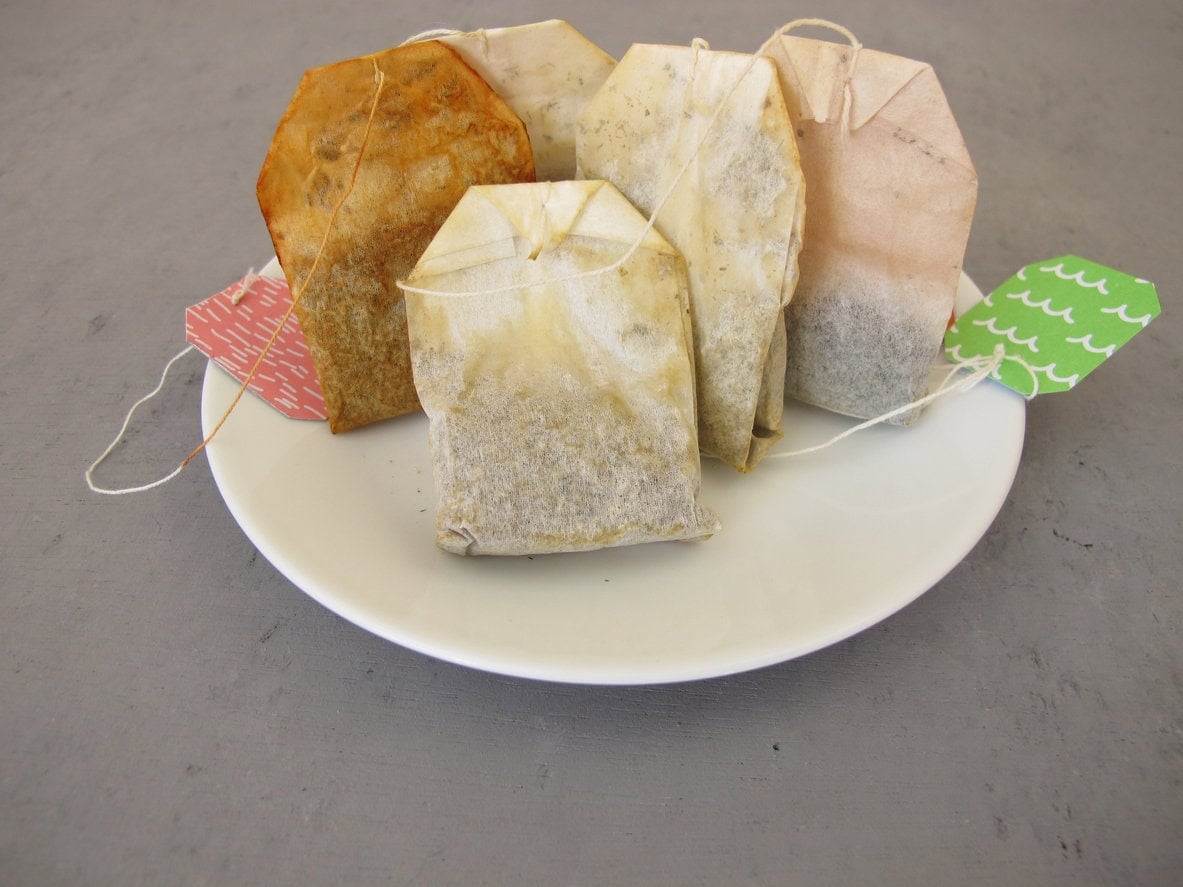
If you need a morning brew to survive the day, why should your plants have to go cold turkey? It’s time to let your soil in on the secret.
- Ground upgrade: The real benefit lies in the organic matter. Used tea leaves improve soil structure over time, encouraging better aeration and drainage while supporting beneficial microbes.
- Acidity adjusters: Most tea varieties are slightly acidic. While used tea leaves won’t dramatically change your soil’s pH, they can gently support plants that prefer mildly acidic conditions when added regularly as organic matter.
- Moisture magnets: Tea leaves can hold a small amount of moisture as they decompose. Think of them as a minor assist, not as a built-in irrigation system.
- The long-term snack: As tea leaves break down, they add small amounts of nitrogen along with trace potassium and phosphorus to the soil. It’s more of a gentle supplement than a full fertilizer, but every bit of organic matter helps feed the soil life below.
Farm-to-table is old news. I’m talking mug-to-mud, and your soil is about to develop a very sophisticated, slightly British accent.
Tea leaves are just one example. We explain how to turn other common kitchen scraps into organic fertilizers in another guide if you want to make the most of what’s already in your kitchen.
12 Plants That Love a Good Brew
While tea isn’t a miracle fertilizer, certain plants do appreciate the extra organic boost. It won’t solve every soil problem overnight, but it certainly does more good in your garden than it ever would in the trash.
Your garden is officially over tap water now that it’s tasted the fine stuff. Sorry, not sorry. Let’s see which ones are most likely to enjoy a spot of afternoon steeping.
1: Roses
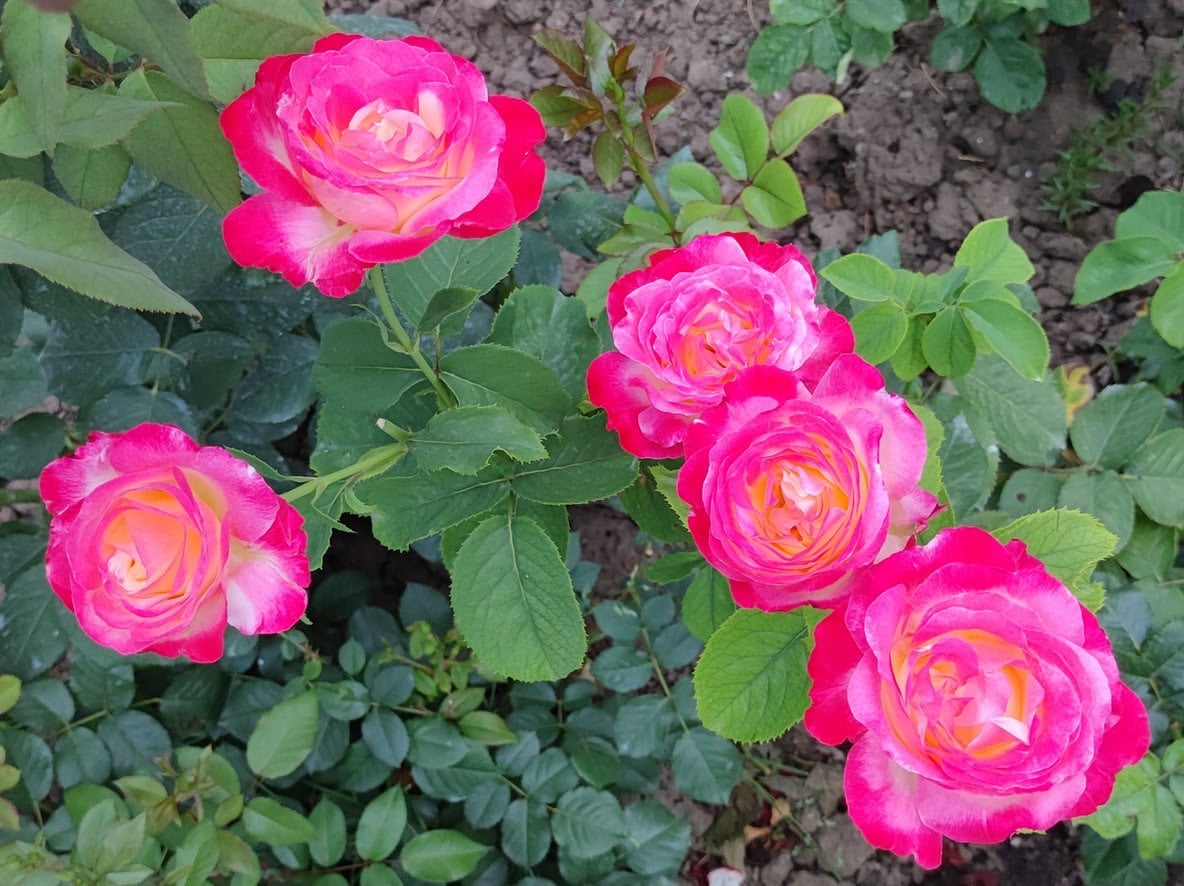
Roses crave slightly acidic soil like a Victorian novelist craves drama. Used tea leaves add a bit of organic matter around the root zone, enriching the soil structure over, which roses appreciate. Think of it as a quiet backstage crew member making sure the diva gets her spotlight moment.
2: Azaleas

Azaleas are unapologetically picky about their soil. They thrive in acidic, organic-rich conditions, and used tea leaves can contribute a small boost in that direction.
No, a few tea bags won’t magically fix alkaline ground. But they help maintain the kind of environment they love. It’s less about instant transformation and more about consistency.
If you’re experimenting with natural soil boosters, we also wrote about plants that thrive with coffee grounds, another kitchen scrap that can support acid-loving plants when used properly.
3: Blueberries
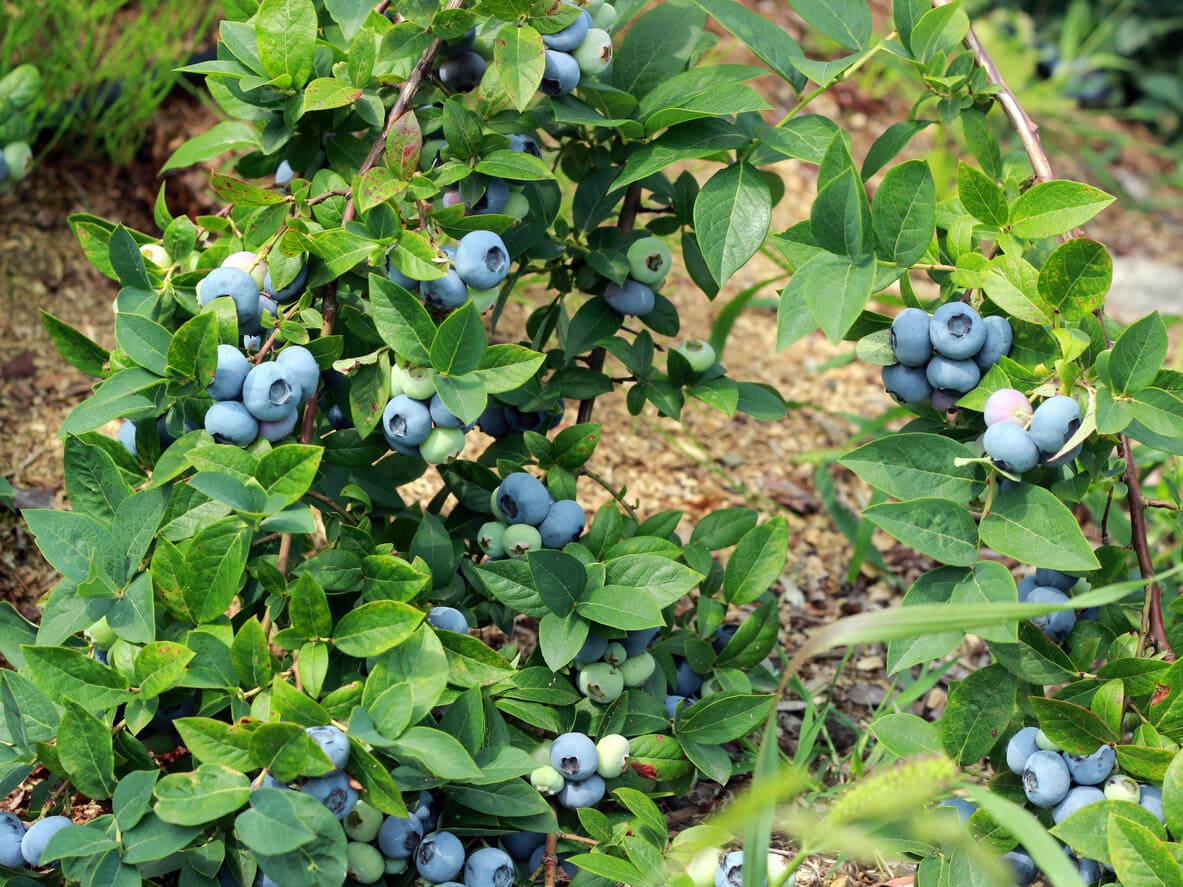
Blueberries demand strongly acidic, well-draining soil and plenty of organic matter. While tea won’t single-handedly create perfect blueberry conditions, incorporating it into compost supports the long-term soil health these shrubs rely on. Blueberries respect effort.
4: Strawberries

Strawberries, too, join the party. They prefer slightly acidic soil and benefit from steady nutrients to keep producing sweet, juicy fruit.
Adding tea leaves to compost contributes to richer soil over time, which helps keep plants vigorous and productive through the season.
5: Tomatoes
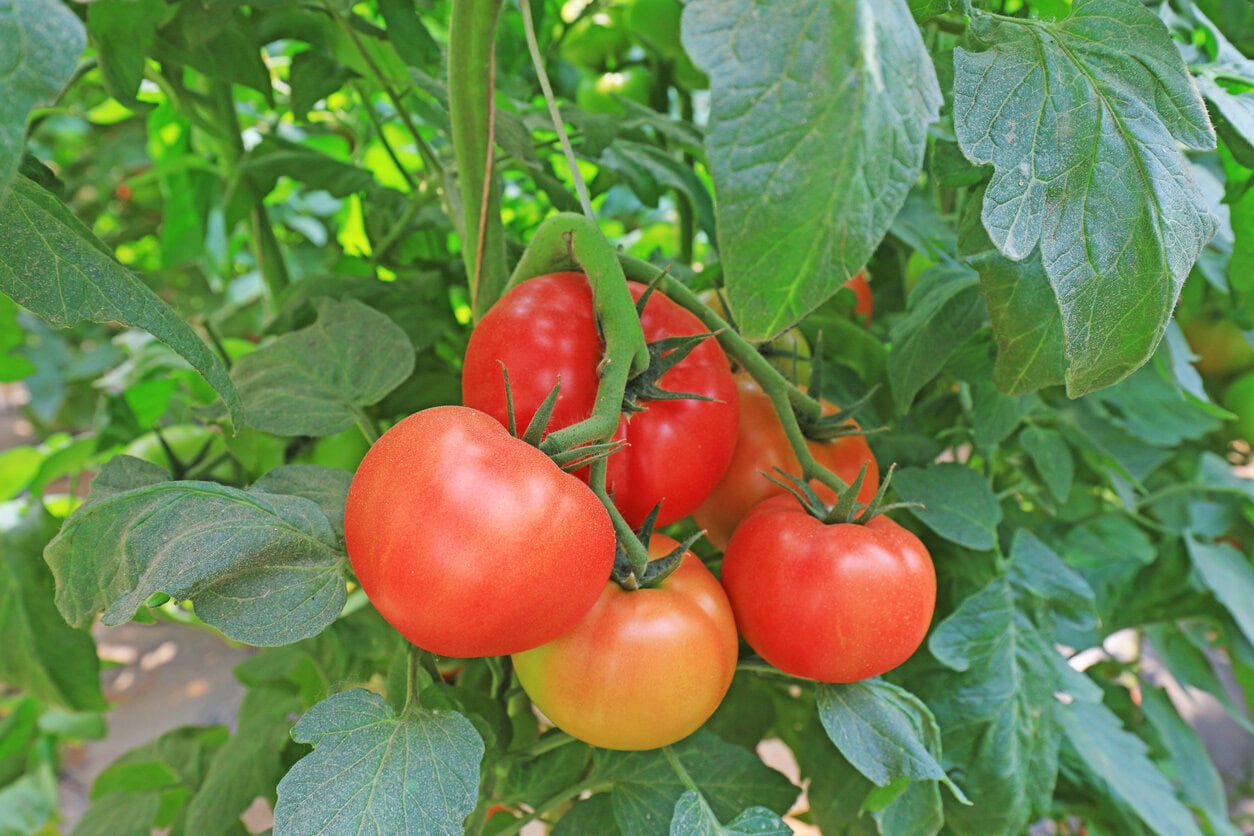
Tomatoes are famously hungry growers. Strong stems and lush foliage come from nutrient-rich soil with good structure.
Tea leaves contribute organic matter as they break down, supporting the soil ecosystem that keeps tomatoes thriving. They’re not the star of the show, but they’re a solid supporting character.
If you’re trying to match the right natural fertilizer to the right plant, we put together a practical guide that breaks it down crop by crop.
6: Peppers
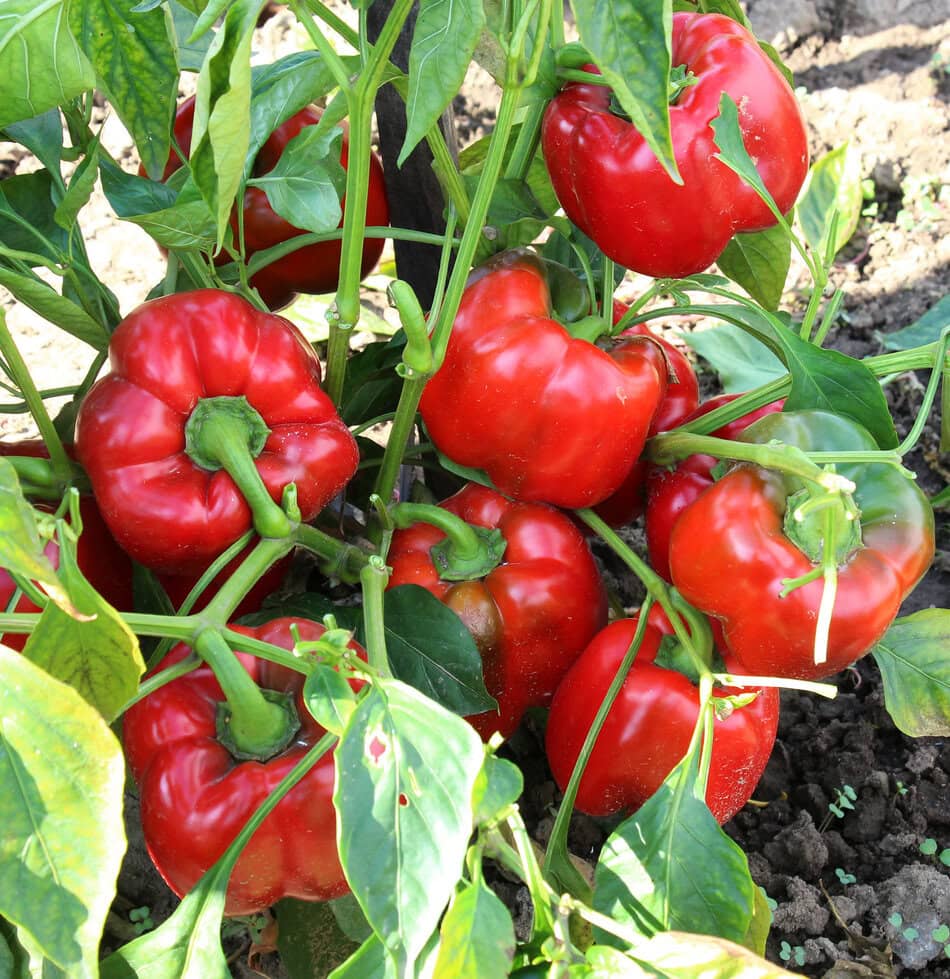
Peppers appreciate the same fertile, well-draining soil as their tomato cousins. Building soil that’s rich in organic matter leads to steadier growth and better fruit production. Over time, small additions like composted tea leaves help create that kind of living, balanced soil.
And if you’re already saving kitchen scraps, we also wrote about plants that benefit from eggshells, another simple way to build healthier soil naturally.
7: Spinach
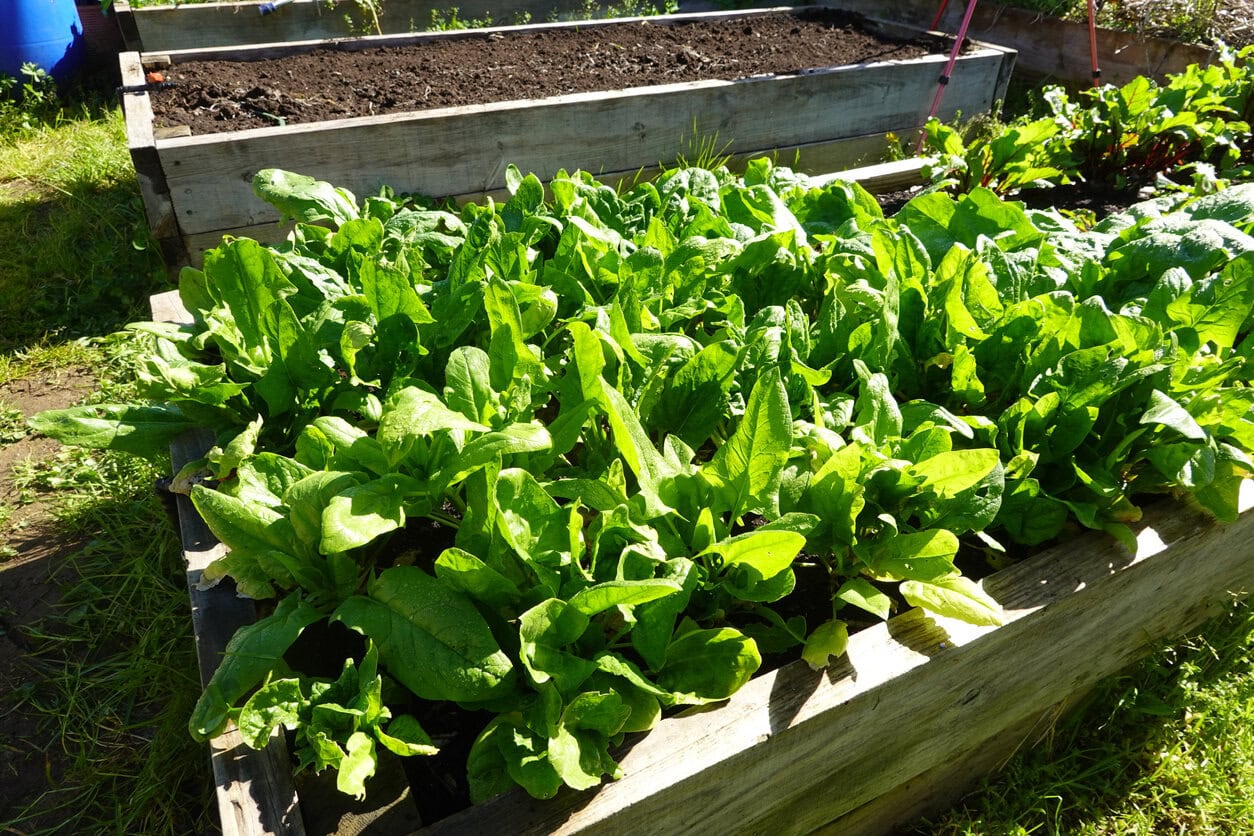
If you want a harvest of foliage that would make Popeye salivate, it pays to understand how much leafy greens appreciate fertile soil!
Spinach is all about leaves, and leafy crops reward fertile soil. When organic matter levels are high, spinach grows more vigorously and develops that deep, market-worthy green. Tea leaves, worked into compost, contribute to that ongoing soil richness.
8: Kale

Kale thrives in balanced, nutrient-dense soil. The stronger the soil ecosystem, the sturdier the leaves.
Incorporating small organic inputs like tea leaves supports that long-term resilience, the kind that keeps kale producing even when the weather gets moody.
If you’re curious about other gentle, kitchen-based plant boosts, we also explain how rice water can support leafy growth when used correctly.
9: Peace Lilies

Peace lilies love evenly moist, well-structured soil. Organic-rich potting mixes distribute moisture more consistently around the roots. Adding compost that includes tea leaves gradually improves that structure, helping indoor plants stay fuller and healthier.
10: Ferns

Ferns prefer soil that holds moisture without turning swampy. A higher organic content helps maintain that balance. Over time, compost enriched with tea leaves contributes to a potting mix that supports steady, lush growth.
11: Parsley

Parsley appreciates consistent moisture and balanced nutrition to maintain its vibrant green color. When tea leaves are added to compost, they help build richer soil that supports steady herb production throughout the season.
12: Basil

Basil grows fast and responds well to fertile, well-draining soil. Especially in containers, maintaining organic matter helps keep growth vigorous. Incorporating used tea leaves into compost is one small habit that contributes to that bigger soil picture.
It comes full circle. You get your caffeine fix, the plants scavenge the leftovers, and eventually, those tea-fed leaves end up in your pesto. Everybody wins. Except, perhaps, the tea.
How I Actually Use Tea in the Garden
I don’t just toss whole bags on top of the soil and call it a day.
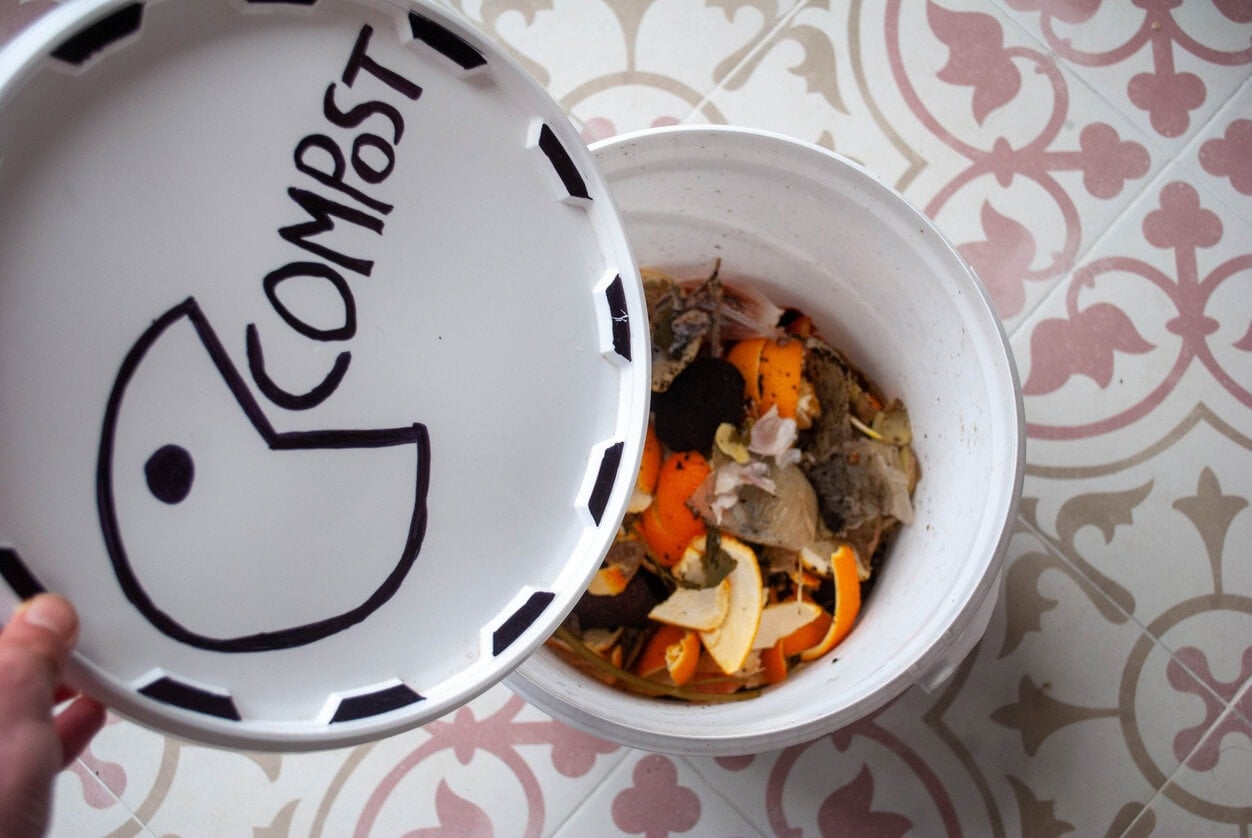
Most of the time, I tear open the used bags and mix the leaves lightly into the top inch or two of soil. Sometimes they go straight into the compost pile and break down properly with everything else.
If I bury them directly, I tuck the leaves a few inches below the surface so they decompose naturally without molding or attracting curious critters.
I’ve found that consistency matters more than quantity. A steady trickle of organic matter over time does far more for your soil than one dramatic dumping session.
Pro Tips for the Refined Gardener
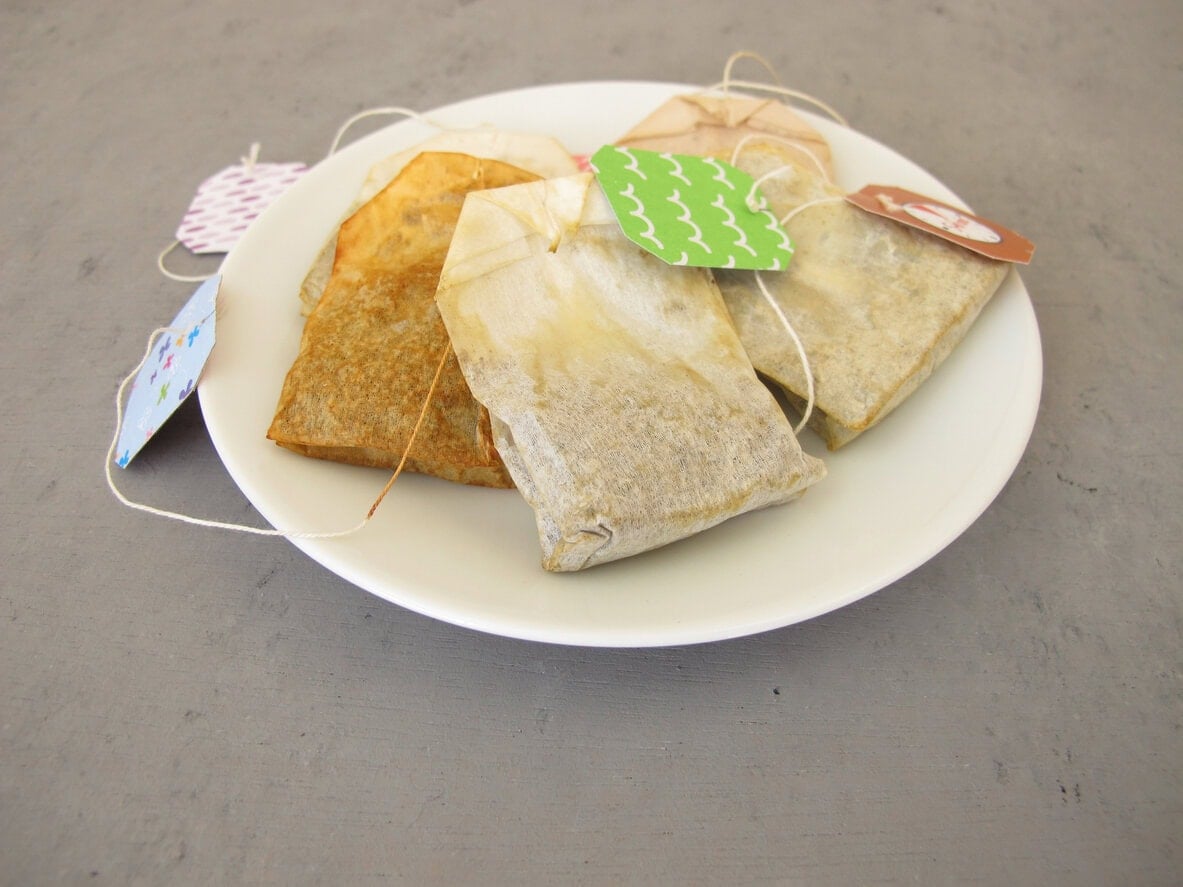
Before you start burying every pouch from your teapot, check the mesh type!
Unless you want a collection of microplastics in your flower beds, stick to paper or certified compostable bags. Plastic mesh is a forever-problem.
Also, yank out the metal staples. Your soil wants trace metals, but not in the form of office supplies.
And if you’re feeling particularly generous, you can steep your used tea bags once more in a watering can and use the diluted tea on your plants. This creates a weak tea booster shot for a surface-level feeding. It adds a mild organic touch and makes good use of every last drop.
If you decide to tear the bags open to avoid any plastic mystery, just remember to bury the leaves a few inches below the surface. A simple tuck-and-cover method will keep your garden tidy while soil microbes get to work breaking everything down underground.

Hey there! I’m Dragana, an ecologist with a serious soft spot for soil and the magic that sprouts from it. My Adriatic garden is a bit of a wild bunch: aromatic herbs and roses doing their fragrant thing, juicy fruits and stubborn olive trees with a Mediterranean attitude. I’m here to unearth gardening wonders; are you ready to dig in with me?