12 Flowers You Should Pinch Back in April
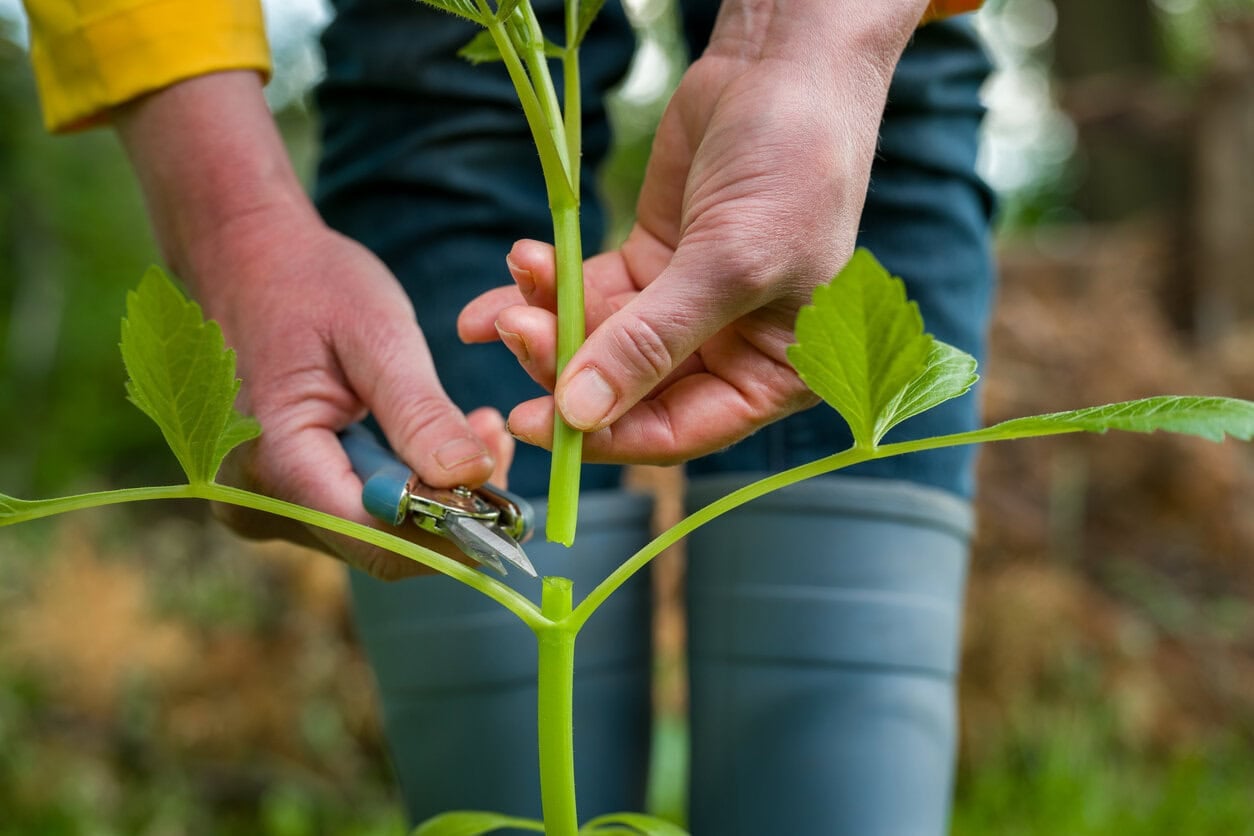
I spent too much money at the nursery just to go home and pinch the tops off. It feels wrong. It feels wasteful. Yet, here we are. Early-season pinching is often the only thing standing between us and a floppy garden later on.
If you’re not sure which plants actually benefit from this, we put together a guide on which flowers to pinch back and the ones you should leave alone.
Pinch Me, I’m Dreaming
We’re snipping the lead stems today to encourage fuller, bushier plants for a change.
Note: We usually label plants by USDA zone, but pinching does not follow a neat zone chart. April in one garden can look very different in another, so this list uses plant height, leaf sets, and bud stage instead. That gives you a more useful guide no matter where you garden in the U.S.
Indoor Seedlings:
Indoor seedlings will happily spend spring stretching toward the nearest window if you let them. A quick pinch at the right stage can help certain plants grow fuller instead of tall and spindly.
1: Sweet Peas (pinch at ~6 in.)
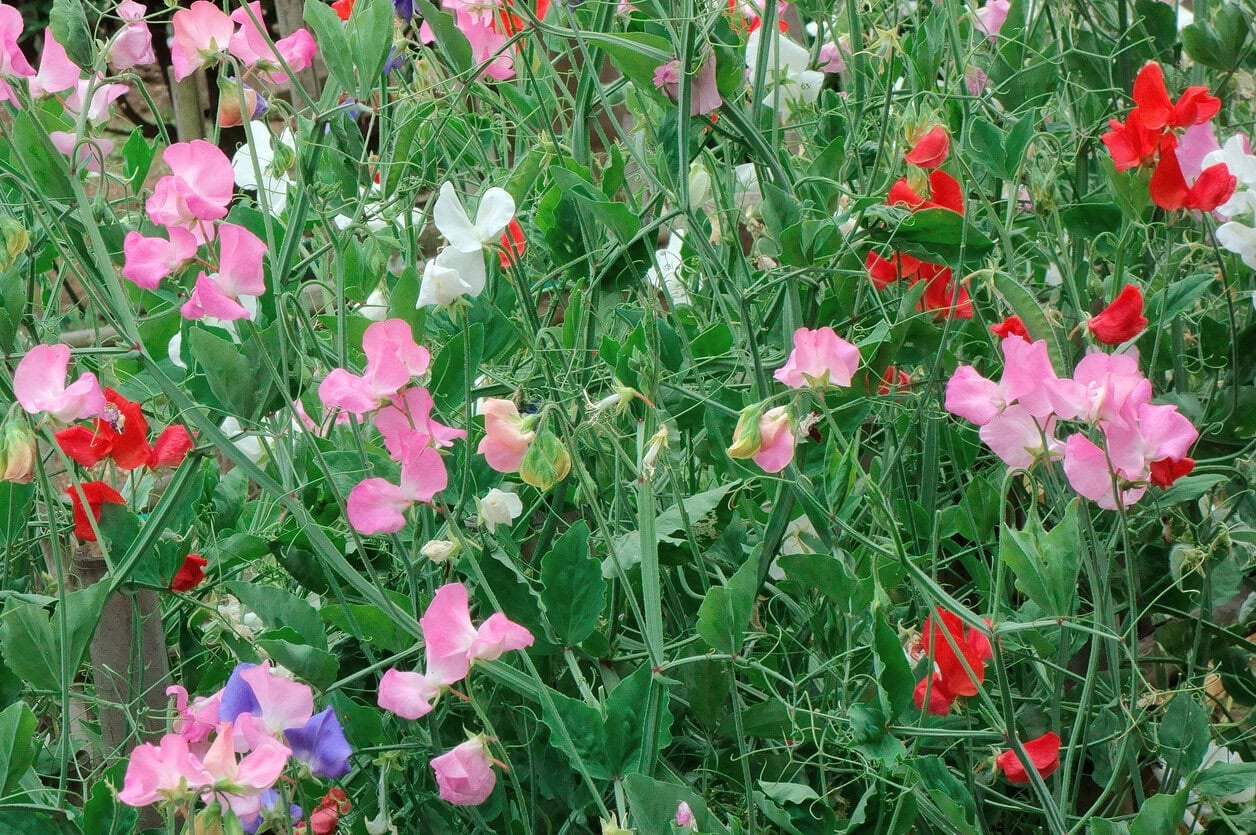
Locate the central vine once it reaches about 6 inches tall. Use clean snips to remove the growing tip just above the second or third leaf node.
And if you’re ever unsure, we explain whether to pinch or cut a plant back in a simple guide so you don’t guess wrong.
2: Cosmos (pinch at 2-3 leaf sets)

Wait until the plant has at least two to three sets of true leaves. Snip the growing tip to trigger an explosion of lateral branching.
3: Dahlias (pinch at 10-12 in.)
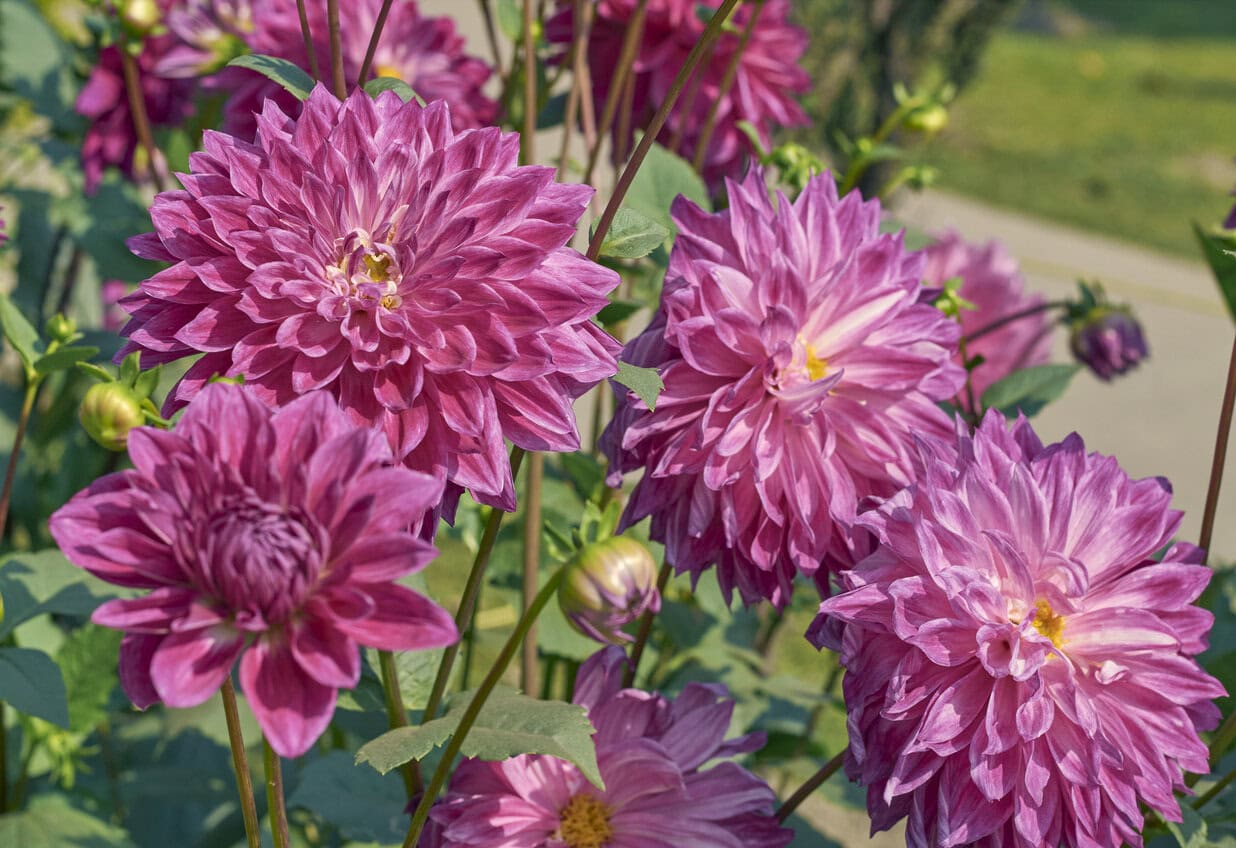
Wait until the plant is about 10 to 12 inches tall and has several sets of leaves. Pinch the growing tip to create a bushier plant with stronger stems for heavy blooms.
Once they start blooming, we also explain how to deadhead dahlias properly to keep those flowers coming.
4: Marigolds (pinch first flower bud)
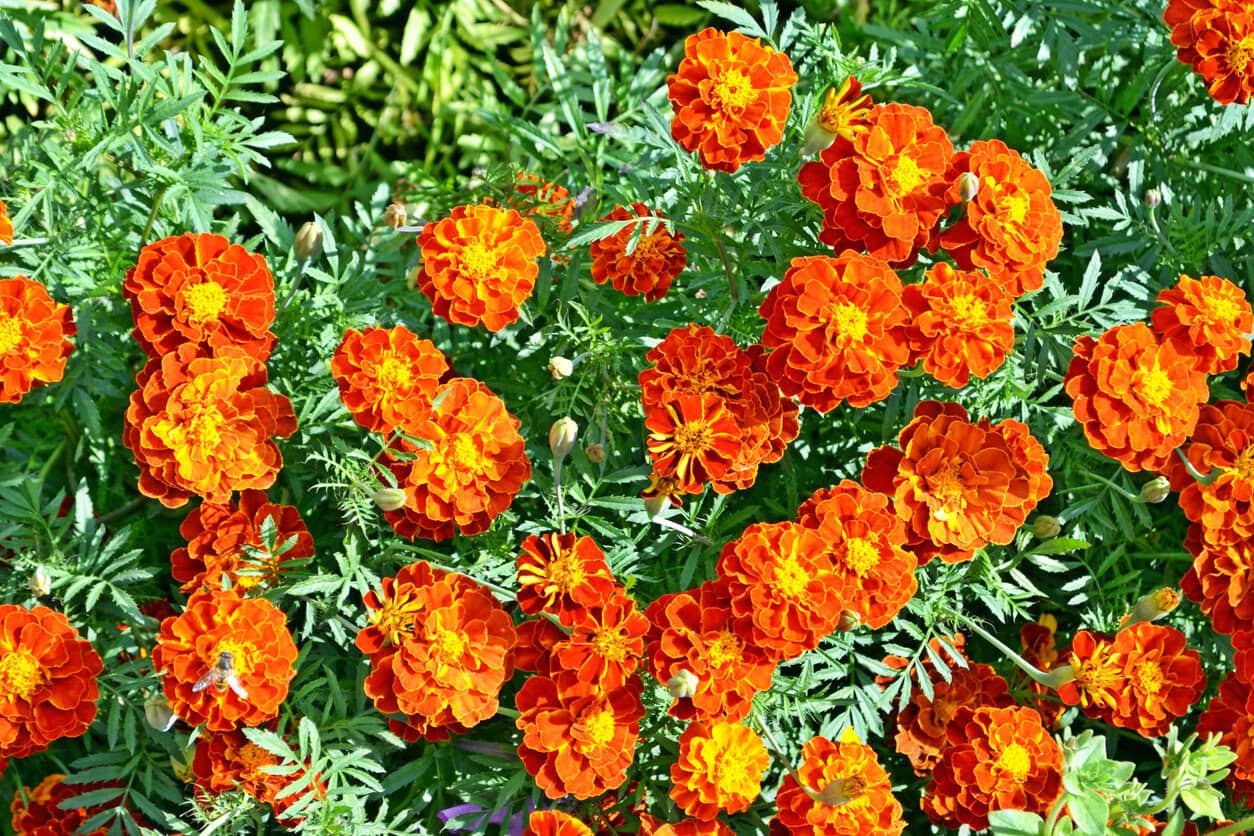
Immediately pinch off the first big flower bud that appears. It will encourage the plant to branch out and produce more blooms over time.
And if they start looking tired later in the season, we show how to bring marigolds back with a simple mid-summer trim.
- Quick tip for pinching indoor seedlings: Only pinch seedlings once they have several sets of true leaves. Give them a few days to heal before moving them outdoors, so they don’t go into total shock once you shove them out into the real world.
Nursery Starts:
Spending money on nursery starts just to cut them back immediately feels like a personal attack on my bank account. Yet, these greenhouse-raised plants often arrive pampered and a bit leggy, usually sporting one sorry flower that tricks you into thinking they’re mature. They’re not.
5: Zinnias (pinch at 6-8 in.)

Find the main stem and snip growing tip once the plant is about 6 to 8 inches tall. Removing that tip encourages the plant to start branching out and produce more blooms.
We also explain how to deadhead zinnias to keep them blooming nonstop once they get going.
6: Petunias (trim leggy stems anytime)

Trim back any leggy stems that are already spilling over the sides of the nursery pot. This encourages fuller growth from the center and helps prevent a thin, patchy look by July.
If yours tend to fade fast, we walk through how to deadhead petunias for fuller, longer-lasting color.
7: Snapdragons (pinch after several leaf sets)

Pinch the growing tip once the plant has several set of leaves. This tiny act of violence encourages branching and prevents a single tall spike, resulting in a bushier silhouette.
8: Coleus (pinch above 2-3 leaf nodes)

Pinch off the center growing tip just above the second or third leaf node. They’re notorious for getting leggy the second they get home. Frequent pinching will keep the foliage full and dense.
- Quick tip for pinching nursery starts: Cut those tops off while the plants are still in their nursery pots. Doing this before they hit the soil encourages branching so they fill out faster once planted.
Established Perennials:
Watching my established perennials wake up in April is a stressful reminder of how fast time moves.
9: Phlox (pinch at 6-10 in.)
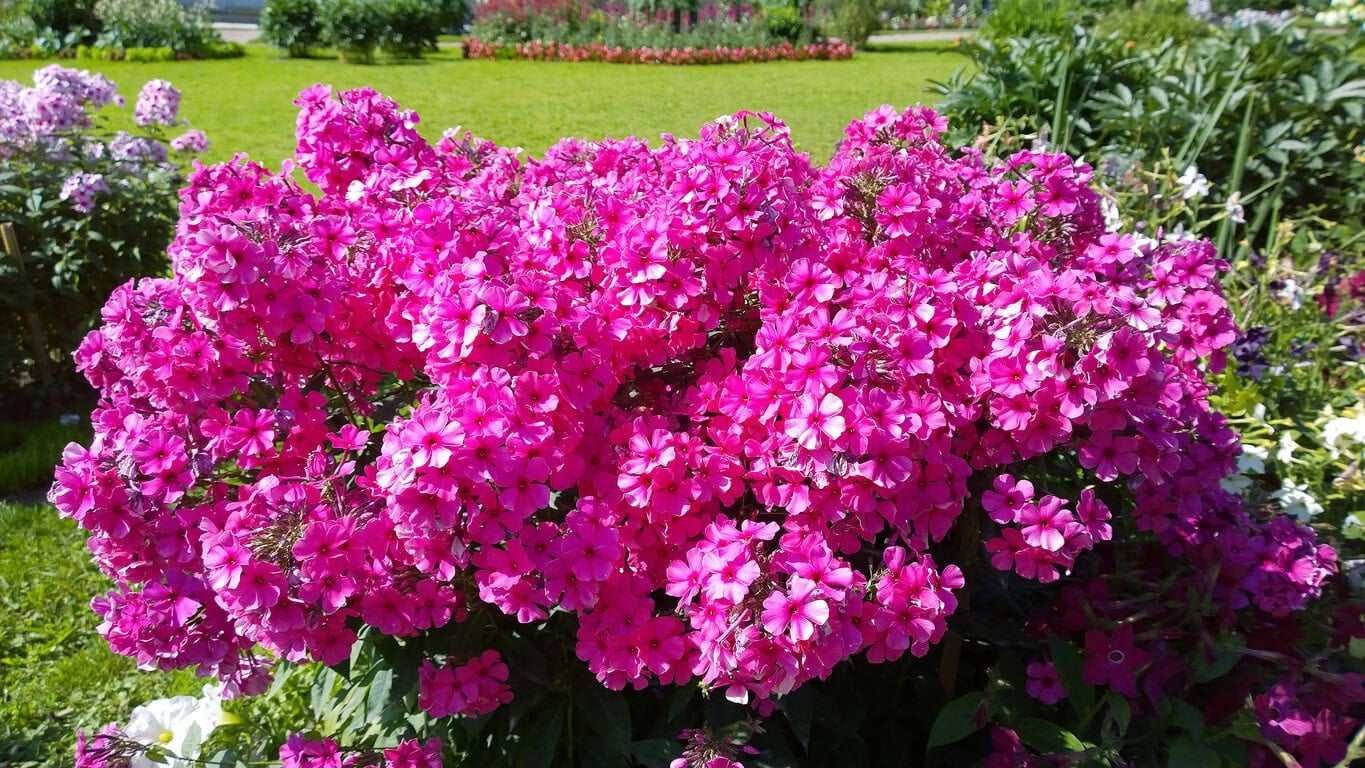
Wait until the stems reach about 6 to 10 inches tall and pinch back the growing tips to encourage sturdier, bushier plants. This may delay flowering slightly but it helps keep the plant from flopping all over itself later on.
10: Salvia (pinch after several leaf sets)
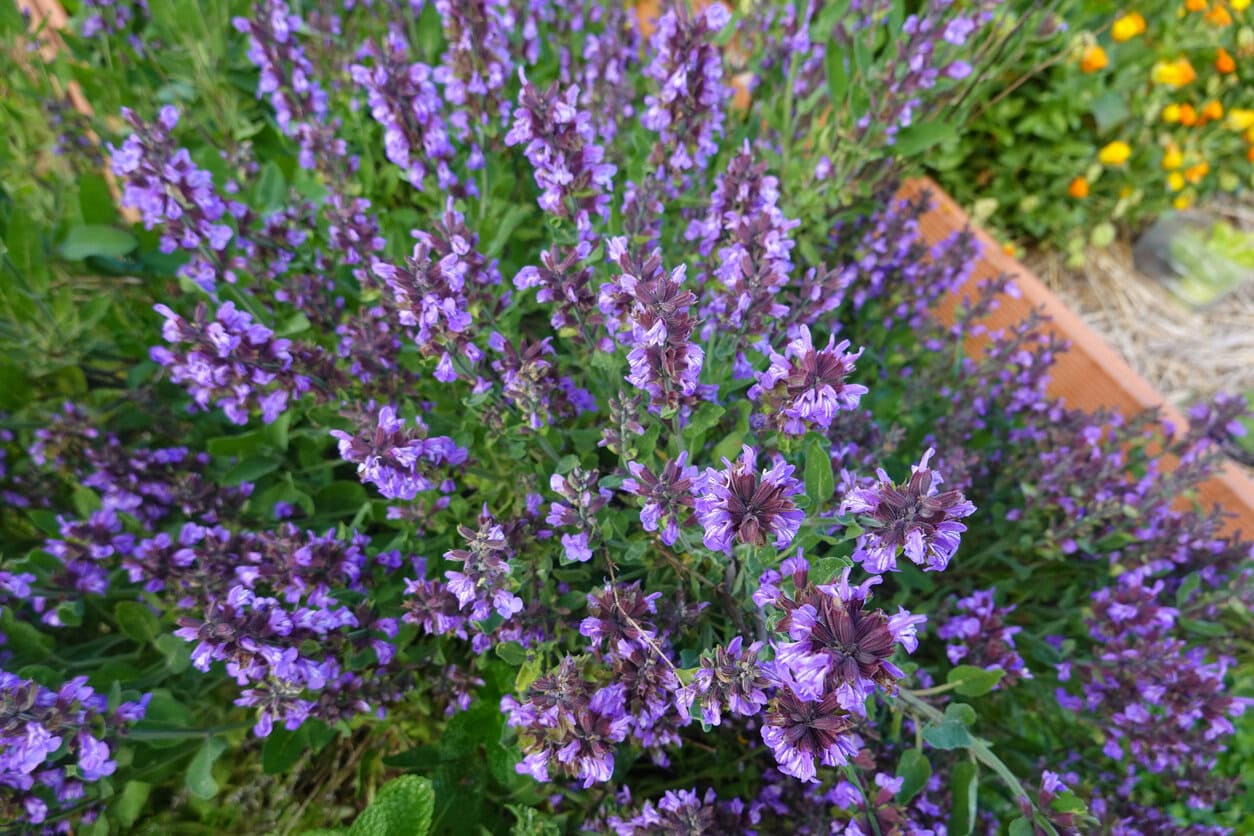
Pinch the growing tips of young plants once they have several sets of leaves. This encourages branching and helps create a plant that stays fuller and compact throughout the season.
And once they start blooming, I explain how to keep salvia flowering all summer with a few simple trims.
11: Mums (pinch at ~6 in., repeat through early summer)

Pinch back new growth once stems reach about 6 inches tall. Repeat this every few weeks through early summer to ensure your autumn display is a dense, compact plant full of blooms instead of the “before” picture.
12: Bee Balm (cut back a few tall stems early in the season)
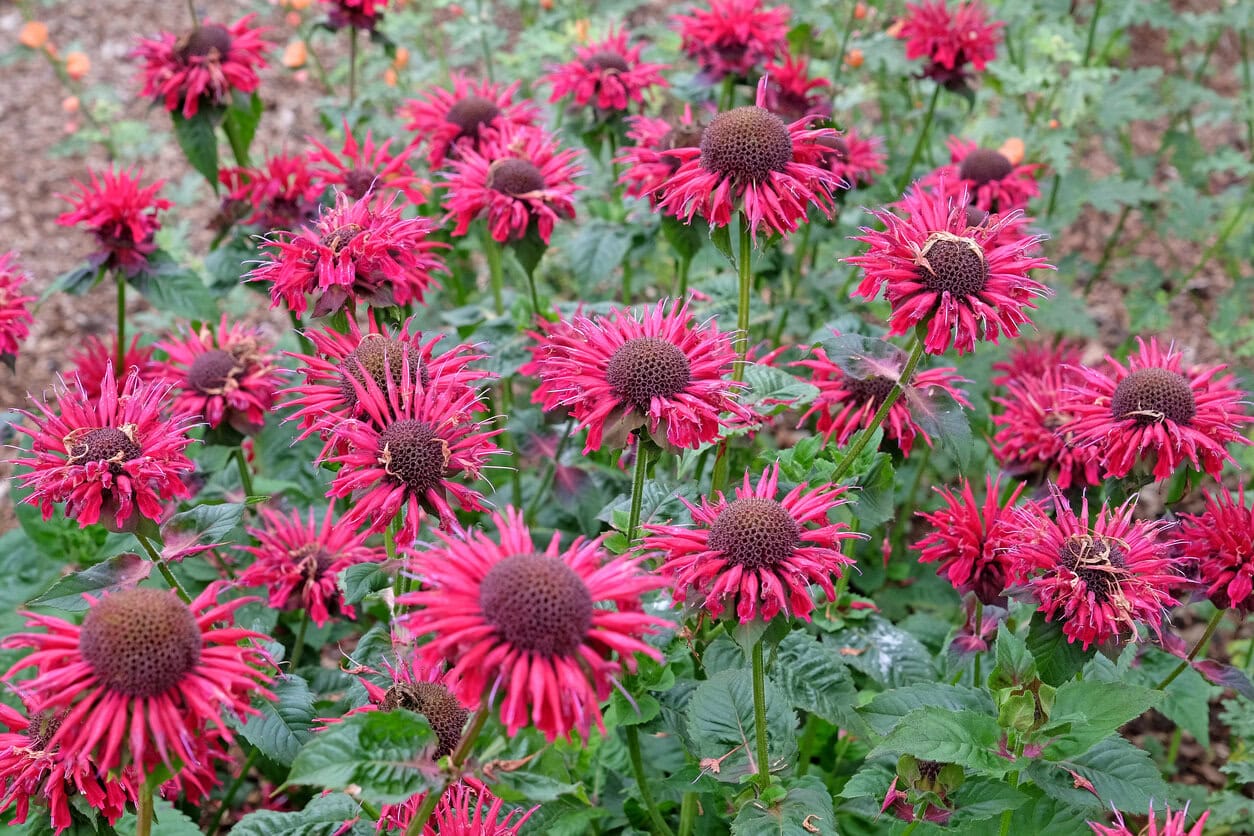
Cut back a few of the tallest stems to encourage bushier growth and stagger the bloom time. Your goal here is to create a fuller plant with flowers at slightly different heights instead of one big burst.
- Quick tip: These plants are already staging a chaotic comeback and can definitely get floppy fast during the first summer storm. Make your brave snips before the plants turn wild.
The Aftercare
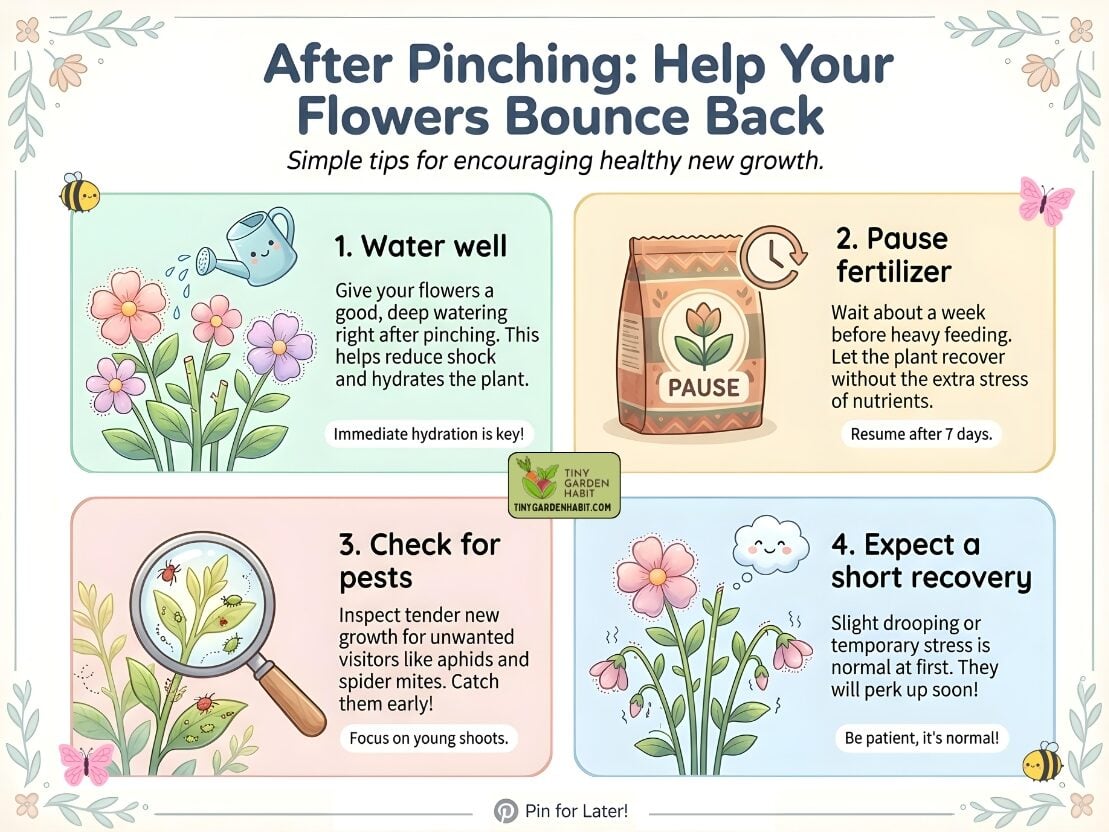
Pinching your flowers is like visiting a dentist. Don’t expect them to be thrilled immediately. These plants need a quiet moment to process their new, shorter reality before they get back to business.
- Water them right after pinching to keep the plants well hydrated.
- Avoid heavy fertilizing for at least a week while they adjust.
- Stressed plants are more vulnerable to pests. Check those tender tips daily because aphids and spider mites love to kick a plant while it’s down.
If you’re not sure which plants to feed now, we put together a list of perennials that benefit from early-season fertilizing.
Cutting Edge Starter Kit
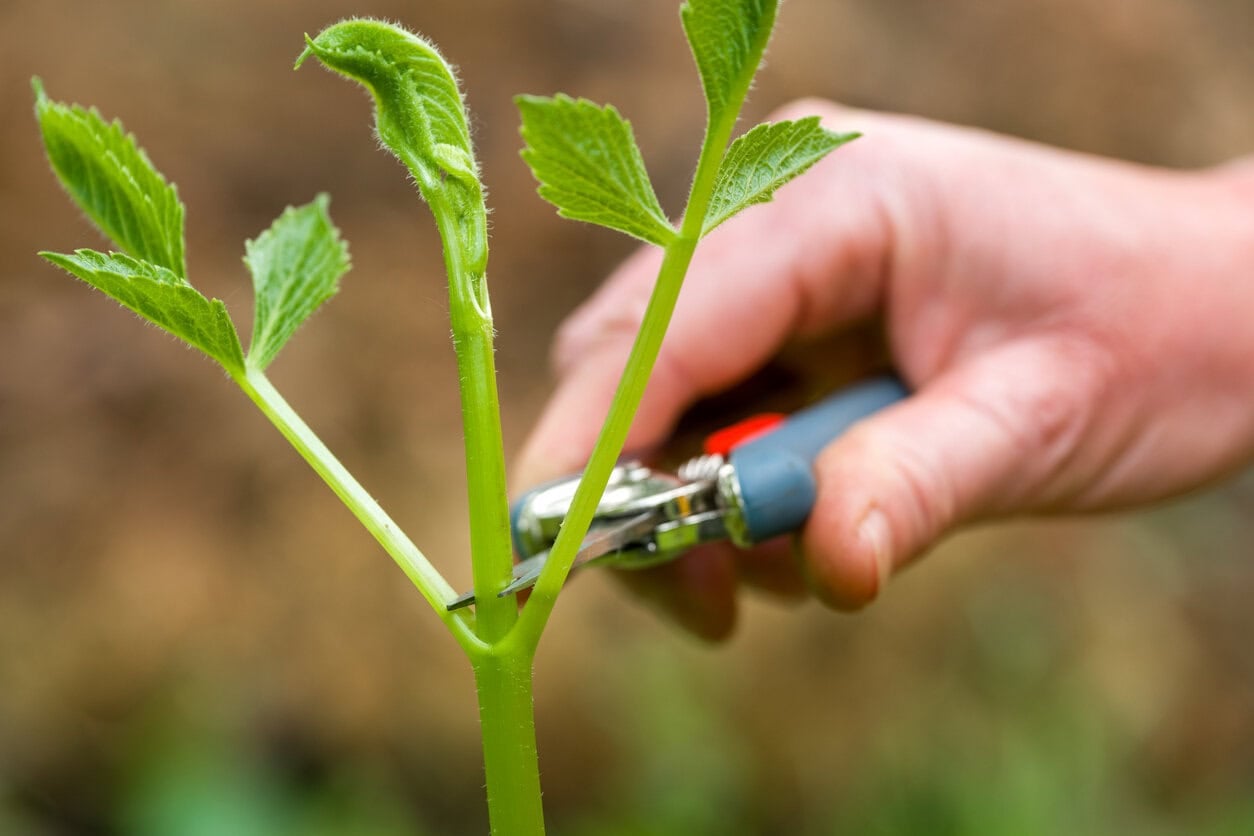
Staring at your plants with murderous intent is only effective if you have the right equipment. Most gardeners own expensive fancy snips that look great on social media but struggle to make a clean cut.
Find a pair of micro-tip shears that actually feel comfortable in your hand. Sharp blades make clean cuts, which helps plants heal faster and reduces the risk of disease.
Always keep your tools clean! Wipe them with rubbing alcohol before use and between different plants. I usually just grab a stray rag that has seen more alcohol than my uncle.
Shear Willpower

Welcome to April, the month where we pretend decapitating our flowers doesn’t hurt us, too. Every year we hesitate. Every year we do it anyway. Our busy, bushy plants require just a little bit of early-season tough love.

Hey there! I’m Dragana, an ecologist with a serious soft spot for soil and the magic that sprouts from it. My Adriatic garden is a bit of a wild bunch: aromatic herbs and roses doing their fragrant thing, juicy fruits and stubborn olive trees with a Mediterranean attitude. I’m here to unearth gardening wonders; are you ready to dig in with me?