8 Spring Zinnia Tips For More Color All Summer Long

Nature spares no mercy for beginners, yet zinnias are on your side. They want to live, bloom and outshine just about everything else you’ve planted.
I’m sharing the eight tips that’ll make your neighbors wonder what kind of flower wizardry you’re pulling off. Here’s a bonus tip: stop overthinking it.
Tip 1: Variety Selection
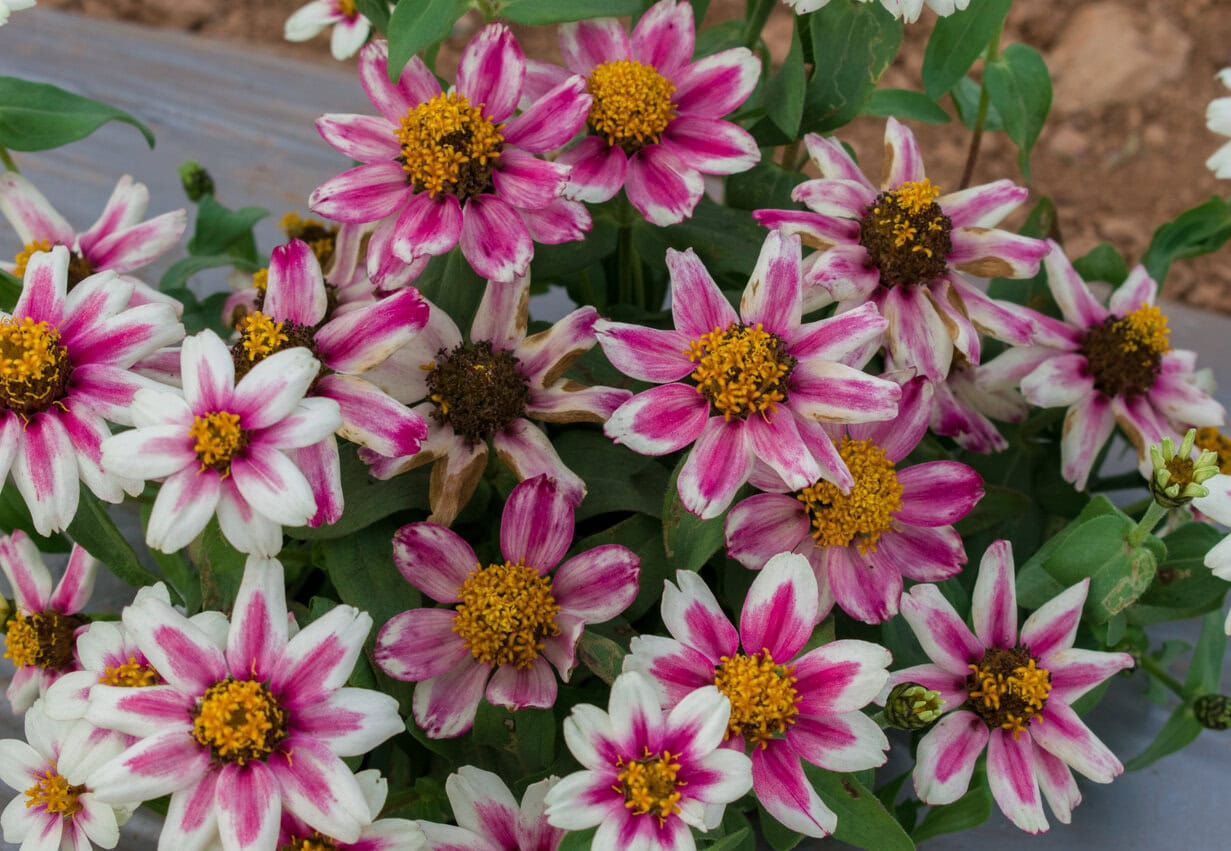
Most people trip over their own garden tools before they even open a seed packet. Cramped for space? Only have a tiny balcony, patio pot, or skinny patch of dirt? Stick to Dwarf types. They stay compact and behave themselves.
But let’s be real: if your local humidity feels oppressive, choose mildew-resistant types from the start. Zahara or Profusion zinnias can deal with it. They’re short, rugged, and don’t have patience for fungi humor.
Quick tip: If your goal is massive, arm-stretching bouquets, buy Benary’s Giants and start scouting for a heavy-duty vase.
Tip 2: Sun and Soil Prep
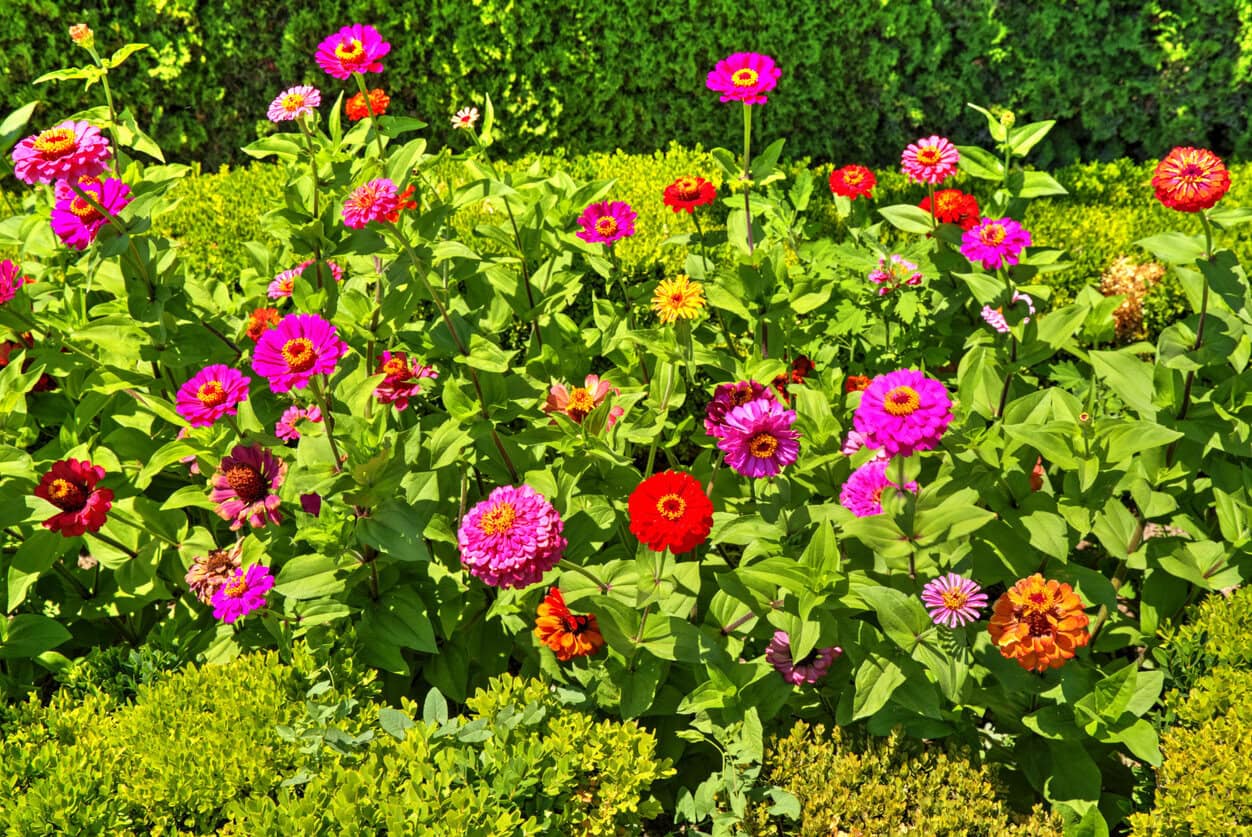
Zinnias are solar-powered. They don’t want “bright indirect light” or a cozy spot under your favorite maple.
They want full sun, ideally 6 to 8 hours or more. If you tuck them into a dark corner, you’ll get weak, leggy stems that flop over in a breeze.
As for the soil? No fancy stuff. Just make sure it drains. They don’t need a luxury mineral bath, but they do refuse to live in a bog.
Quick tip: If your garden stays soggy, work in compost, use a raised bed, or move them somewhere that doesn’t act like a swamp.
And if you’re wondering whether they need a snack, I wrote a guide on how to feed zinnias for lush growth and long-lasting color without turning your flower bed into a fertilizer buffet.
Tip 3: Timing the Sow
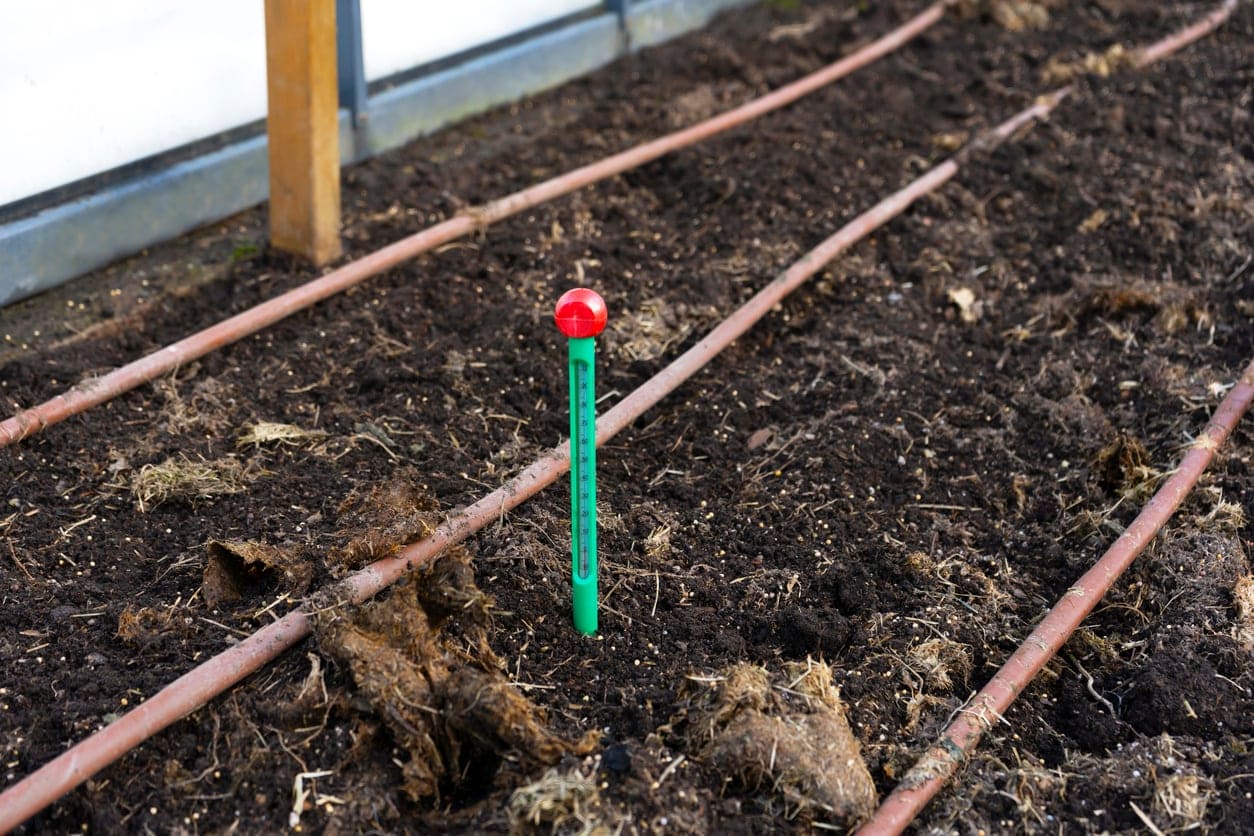
Are you still wearing a hoodie to get the mail? Put the seeds down. Your calendar might say it’s spring, but zinnias only care about the thermometer.
Wait until the soil is around 70°F and the frost drama is finished. Rushing it doesn’t make you an early bird. It just makes you a person who has to buy more seeds in May.
They need warmth, especially warm soil. Planting them while the ground is still chilly is a perfect way to compost your money.
Tip 4: To Sow or Transplant?
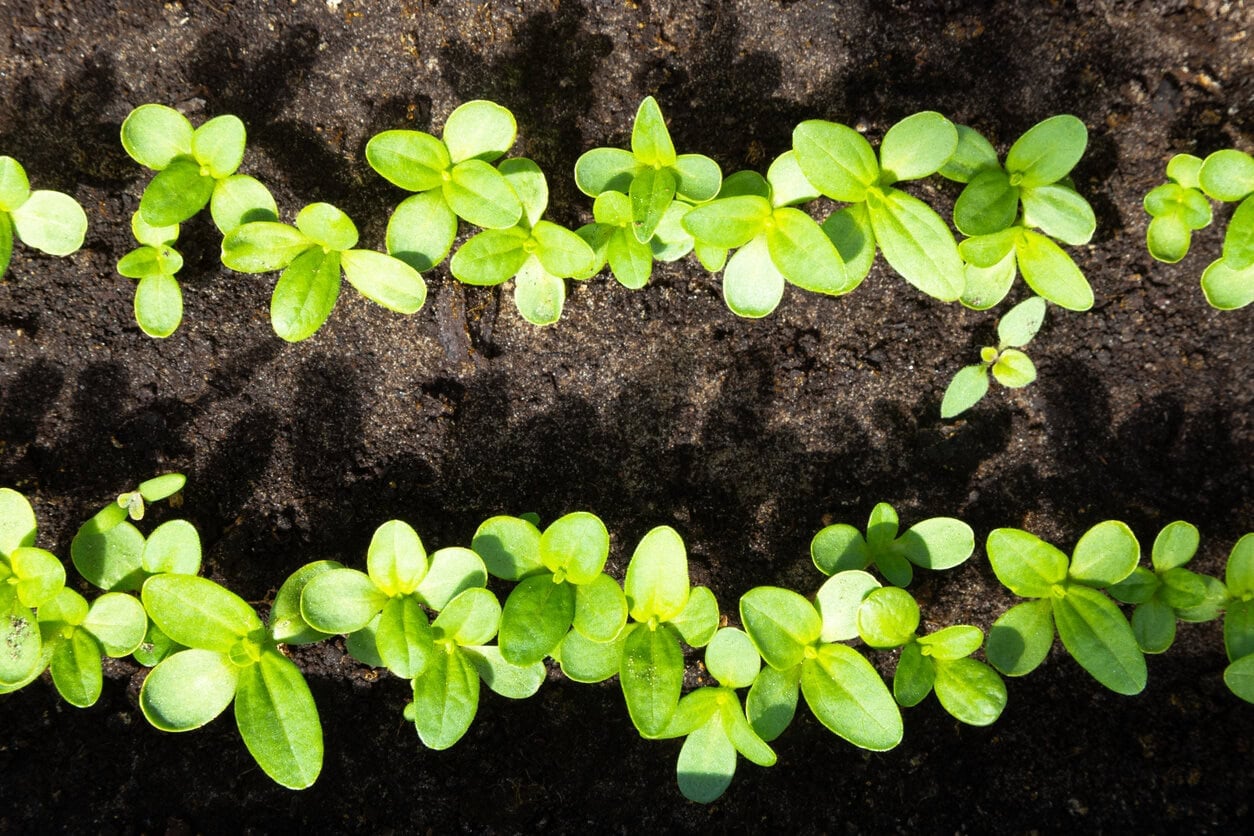
Skip the nursery six-packs. I know they look ready to go, but zinnias grow fast from seed and absolutely hate being moved.
They do much better when you poke the seeds directly into the garden bed. This isn’t just me being lazy.
Direct-sown plants often catch up fast because they never suffer from moving day stress. Save your money, skip the plastic pots, and just put the seeds where they’re going to live.
Tip 5: Strategic Spacing
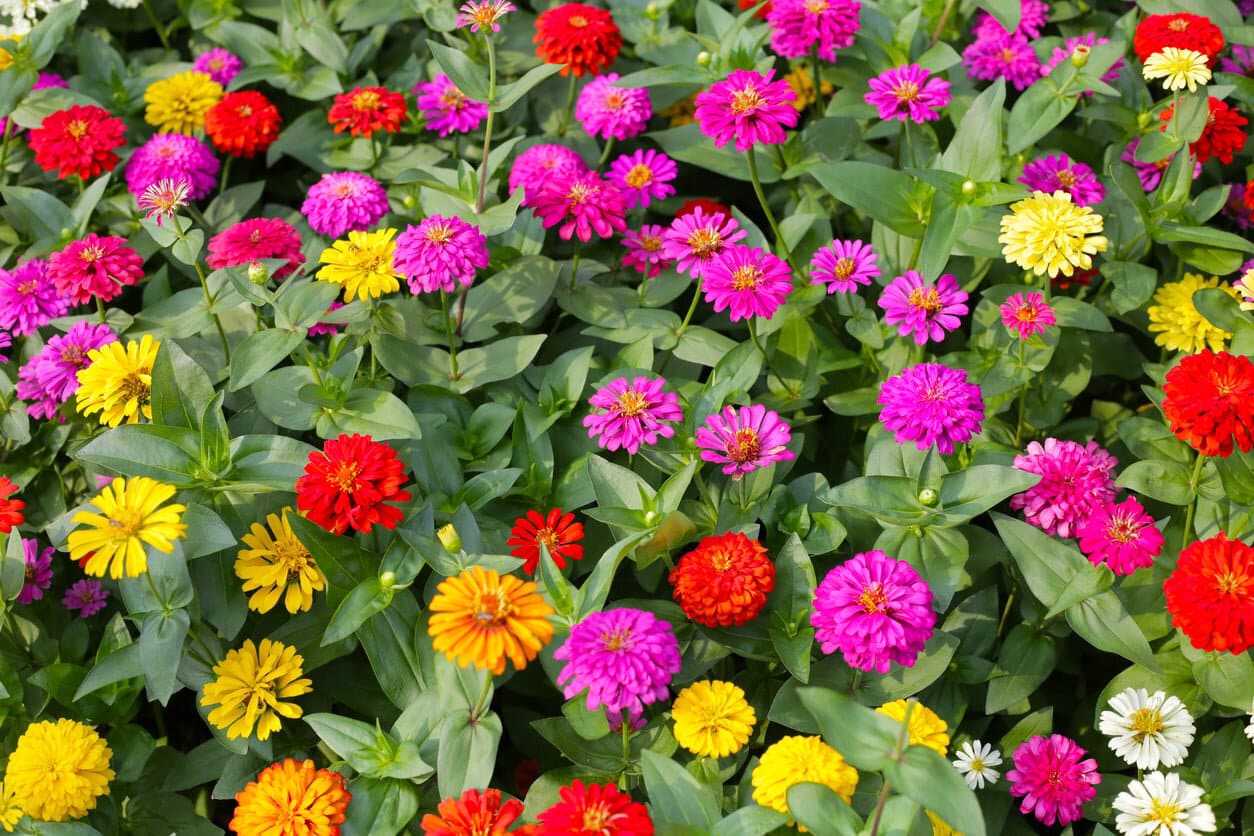
I know. You want a lush, dense carpet of color. But pack them too tight, and you’re begging for a mildew horror. It starts with one leaf and ends with a garden that looks like it’s been through a flour mill. It’s gross.
- For taller varieties: give them about 12 inches of space. They need the breeze to dry off after a rain.
- For dwarf types or Profusion: tighten the gap to about 6 to 8 inches since they’re more compact.
- For mid-sized Cactus or Zinderella types: stick with 9 to 12 inches. Close enough to look full, but not so close you’re building a mildew nightclub.
Tip 6: The Pinching Trick
Time to prove you aren’t a coward. Once the plant reaches about a foot tall, snip off the top of the main stem just above a leaf node.
You’re forcing the plant to start growing side branches. More branches mean more flowers.
If you chicken out, you’ll end up with one lonely flower on a stick. Pinch it. The plant will forgive you, your neighbors will envy you, I’ll salute you.
Tip 7: Watering
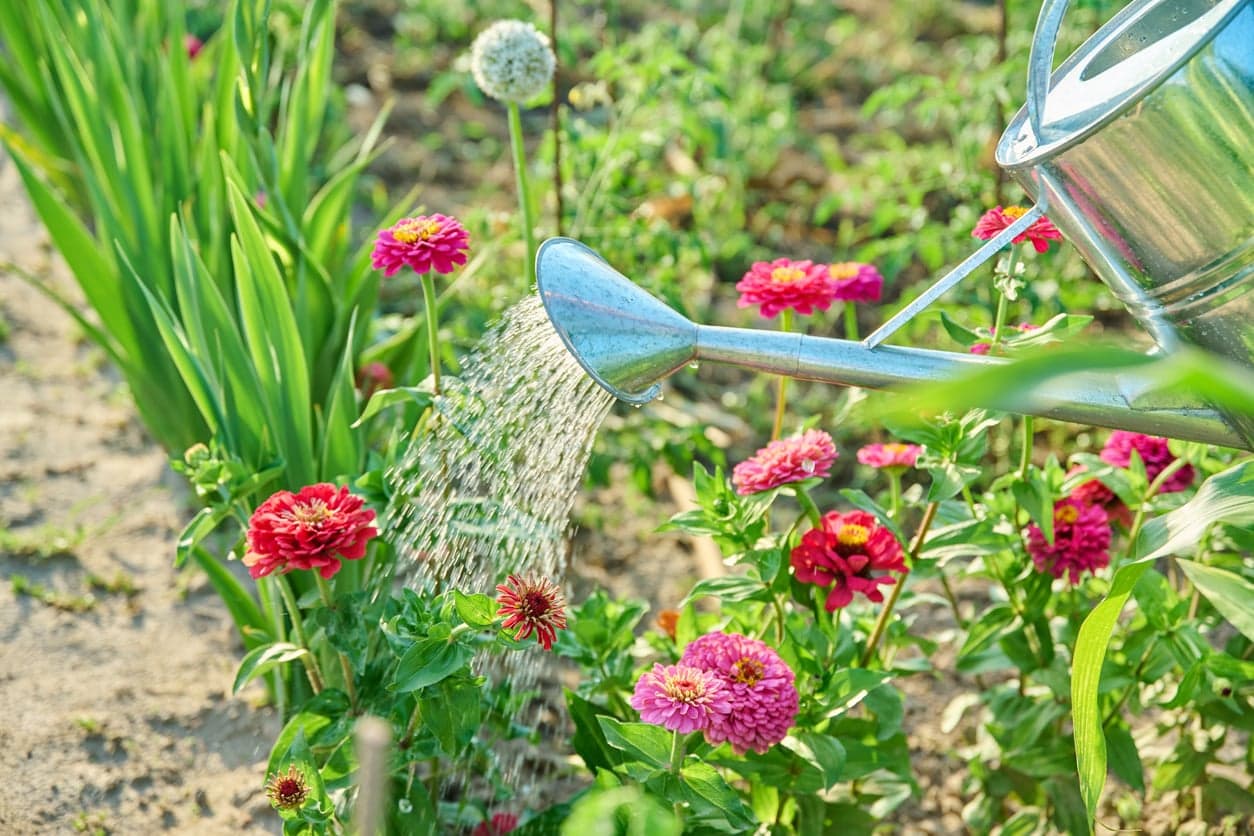
Common wisdom says wet leaves equal instant death, but summer storms happen. Nature doesn’t use a soaker hose. The real danger is leaves staying wet too long, especially when the air is still and crowded.
A zinnia drenched by a midnight sprinkler stays wet for hours, basically auditioning for a fungus documentary. A zinnia hit by a midday storm dries usually has a better shot at drying before nightfall.
What’s your task? Water early, mulch well, give them breathing room and let the sun do its job.
Quick tip: Low-angle watering helps because it keeps water near the roots and cuts down on soil splash.
If the white powdery nonsense has already shown up, we also explain how to treat powdery mildew on zinnias without chemicals.
Tip 8: Consistent Deadheading

A zinnia’s main goal in life is to make seeds and call it a season. Once a flower fades and starts developing seeds, the plant stops trying. You have to trick it with deadheading.
If the flower is past its prime, chop it. Cut back to a leaf node or side stem instead of leaving sad little stubs everywhere.
Your zinnia will keep throwing out new blooms in a desperate bid to reproduce before frost. More cuts mean more color. It’s a fair trade.
We wrote a full guide on how to deadhead zinnias so they keep blooming.
Zinnia Later, Alligator
Every gardener needs a win. Zinnias are that win. They’re bold, bright, and wonderfully dramatic for something that starts as a tiny seed.
Want a garden that screams summer? Just follow those tips. Give them sun, warmth, space, and a little regular chopping, and they’ll spend summer showing off like they were born for it. Because honestly, they were.
We also have a guide on simple ways to maximize flowering in zinnia plants if you want to squeeze every last bloom out of them.

Hey there! I’m Dragana, an ecologist with a serious soft spot for soil and the magic that sprouts from it. My Adriatic garden is a bit of a wild bunch: aromatic herbs and roses doing their fragrant thing, juicy fruits and stubborn olive trees with a Mediterranean attitude. I’m here to unearth gardening wonders; are you ready to dig in with me?