12 Plants You Should Prune in May for Better Growth and Blooms
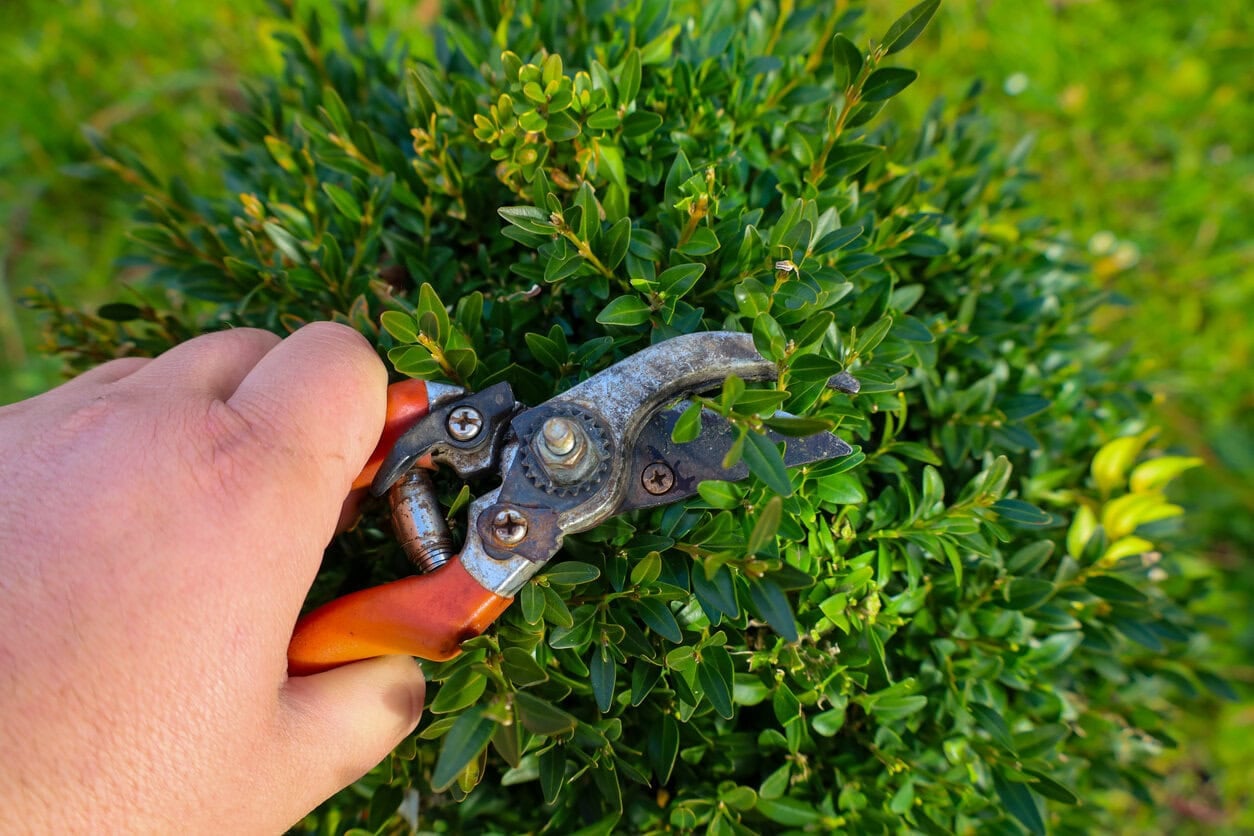
pruning boxwoodpruning boxwood

What do we do when we’re desperate for a reset? I declutter my closet. You get a haircut. Our plants aren’t much different. By May, some are begging for a tidy-up, a little shaping, or a fresh start.

It’s not just a spring thing, but it is about renewal. And let’s be honest, we all love to see a dramatic makeover. So, grab your pruners, because these are the plants I’d give a little attention to this month.

And if you’re already walking around with pruners in hand, I also wrote a guide on flowers to deadhead in May for continuous blooms.

Spring-Flowering Classics

These shrubs carry their flower buds through winter like heavy luggage, so timing matters here. Once the blooms fade, you can tidy them up and shape them without stealing next year’s show. Relieve them, but don’t butcher them.

1. Lilacs
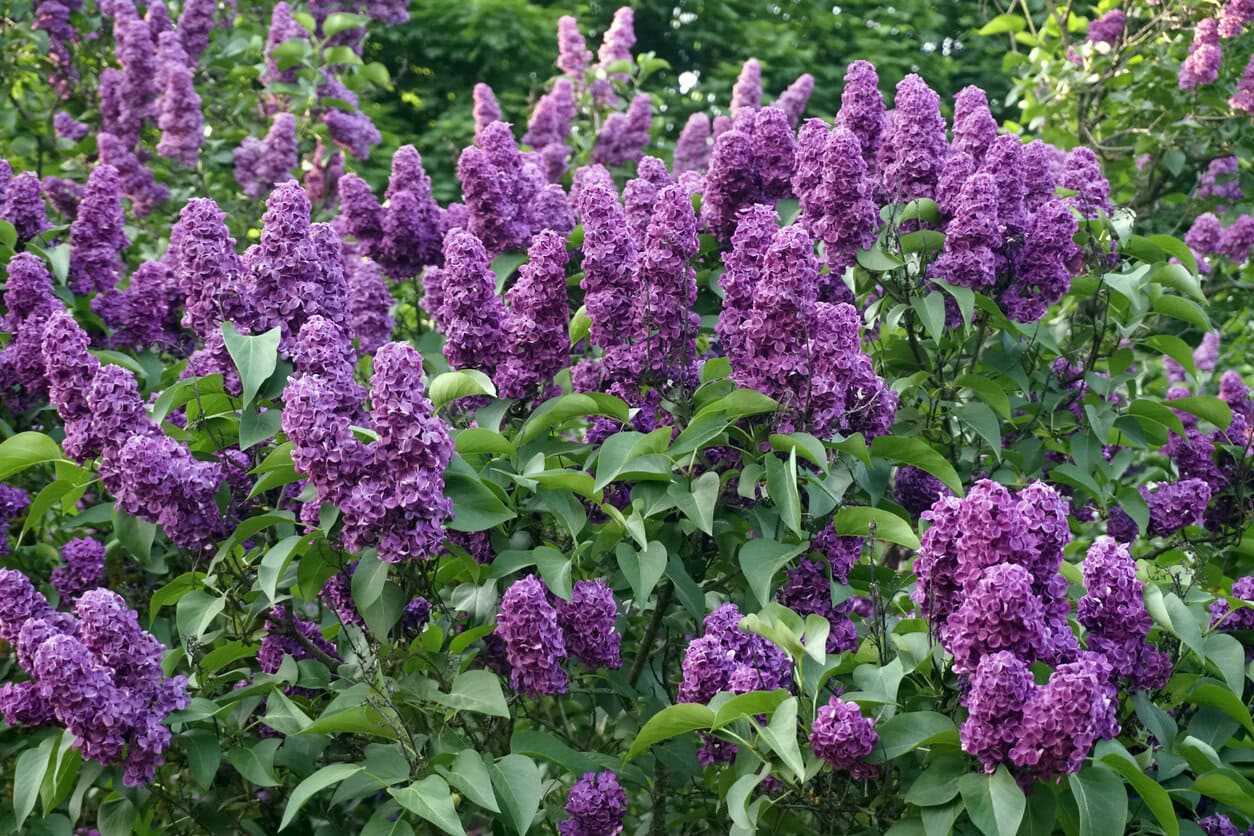
Lilac (Syringa vulgaris)Lilac (Syringa vulgaris)
Lilac

When the color fades, those brown clusters become a major drag. I like to snip off the spent flower heads by cutting back to the first set of healthy leaves.

If you’re dealing with a lilac jungle, a gradual rejuvenation prune works wonders. Just don’t chop the whole plant at once. Remove some of the oldest, thickest stems at ground level over about three years, and the plant gets a reset without going into shock.

2. Forsythia
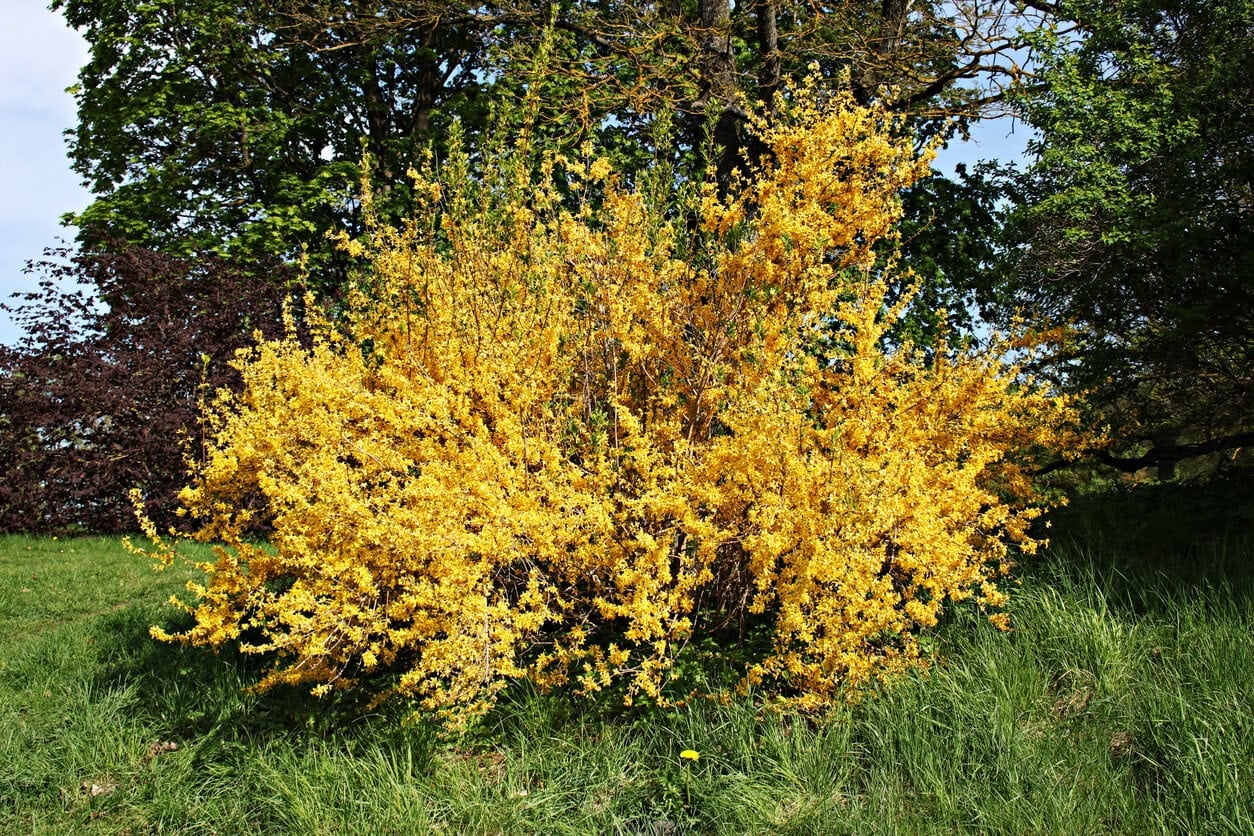
ForsythiaForsythia
Forsythia

Cutting a few of the oldest, thickest canes at the soil line helps lowers the height without ruining that signature arch. 

Wondering why yours won’t bloom? You may have pruned it too late last summer and removed the flower buds. May is your window to safely fix the shape.

Quick tip: I’d rather thin it from the base than give it a flat-top haircut, because forsythia looks best when it can still do its golden fountain thing.

3. Azaleas
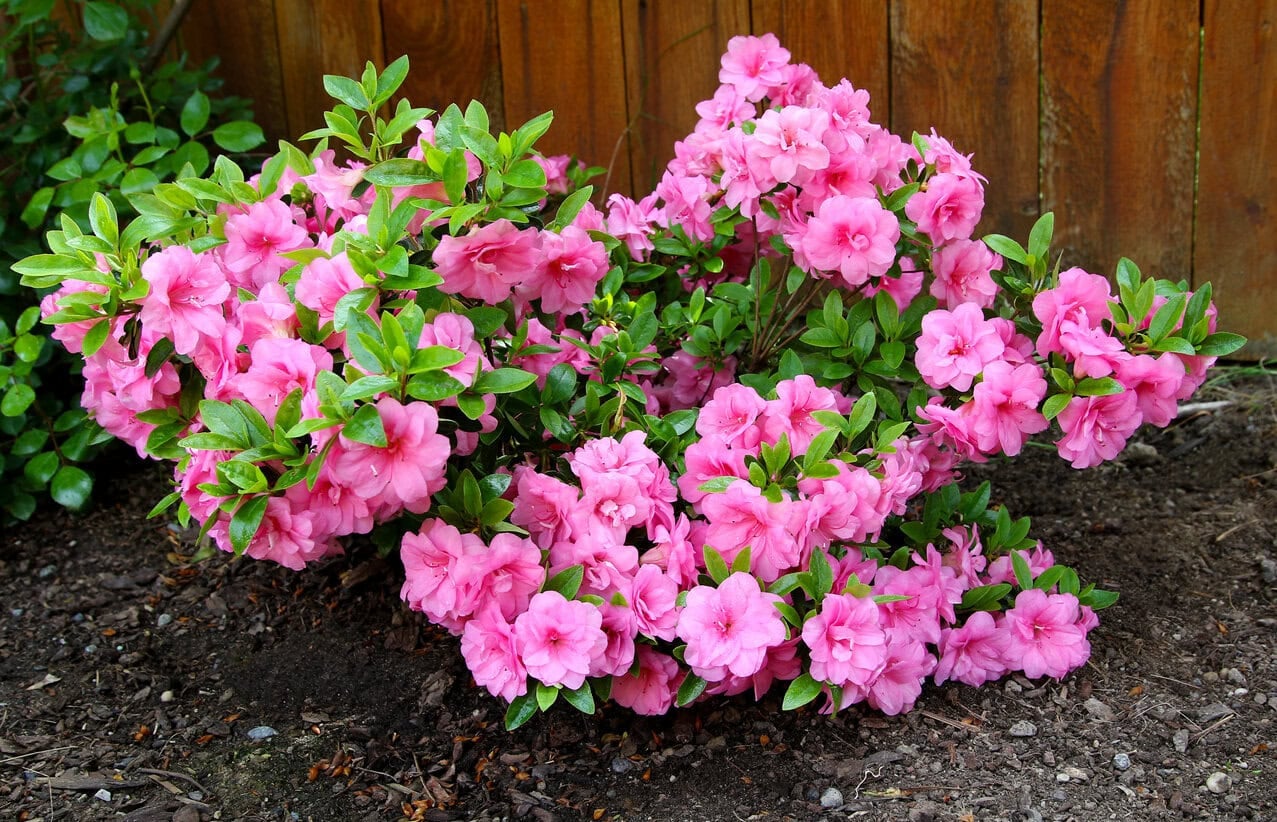
AzaleaAzalea
Azalea

Azaleas have a very short temper when it comes to timing. I shape mine right after the flowers fade.

A little heading back isn’t just for looks, either. Trimming back to a healthy bud or side branch can encourage fuller, bushier growth instead of that awkward, leggy look.

Quick tip: Don’t wander off and remember this in July. Wait too long into summer, and you’ll cut off the very blooms you were hoping to see next spring. May is usually the moment.

4. Ninebark

NinebarkNinebark
Ninebark

That peeling bark is one of the best parts of the plant, so why do you hide it behind a wall of leggy stems? Once the flowers fade, I thin out some of the oldest, most crowded canes right at the soil line. It’s called renewal pruning, and your curb appeal desperately needs it. 

You’ll finally see more of the bark, your walkway will become passable again, and the increased circulation means you won’t be fighting fungi all summer.

Climbing Vines and Perennials

Without a firm hand in May, these varieties spend July flopping over, stretching out or strangling their neighbors. Enforce some discipline before the humidity makes them unruly.

5. Clematis (Group 1)

Clematis MontanaClematis Montana
Clematis Montana

These bloom on last year’s wood, so I treat them with a light hand. Once the flowers finish, tidy the vine by removing dead, damaged, or wayward growth without sacrificing next spring’s display. 

How hard can you cut it? Group 1 clematis handles a light trim after flowering, but don’t get dramatic with the pruners. Hacking it to the ground now ensures you’ll see zero flowers next year.

If you’re not sure which pruning group yours belongs to, we explain how to keep clematis blooming with the right pruning and care in this guide.

6. Garden Mums
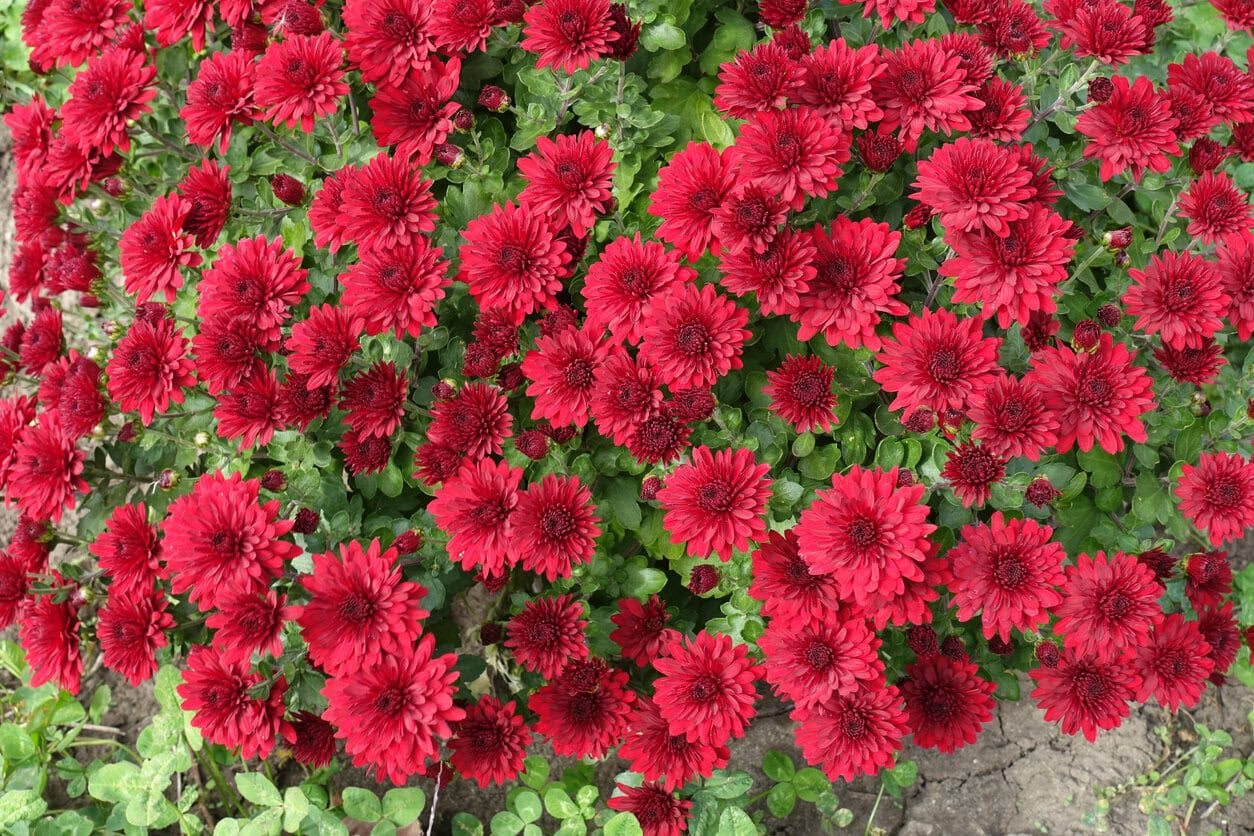
ChrysanthemumsChrysanthemums
Chrysanthemums

Tall, leggy mums are an autumn disappointment. I pinch back the top inch or so of new growth in May; to push the plant into a dense, mounded shape that actually supports its own weight. 

Quick tip: Wondering when to stop pinching? Give them their last snip around 4th of July so they still have time to set those fall flower buds.

7. Lavender

French LavenderFrench Lavender
Lavender

Woodiness is the enemy of a chic garden. I trim the soft green growth in May, but I stay out of the hard, old wood because lavender does not always bounce back from that kind of betrayal.

Quick tip: Can you prune lavender in the fall, too? Lightly, yes. But I save the real shaping for spring, when the plant is actively growing and can recover faster.

If lavender pruning still makes you nervous, we wrote a guide on whether to prune lavender in spring or fall so you don’t accidentally cut into the woody part.

8. Wisteria

American WisteriaAmerican Wisteria
American Wisteria

This plant grows like it’s planning an escape. I snip back any wildly misplaced shoots that are already grabbing gutters, railings, or innocent neighboring plants, but I don’t treat this as the main prune. This early May snip just keeps the gorgeous beast contained.

Quick tip: Wisteria demands a double shift, once in midsummer, when those long green side shoots get shortened, and again in winter while the plant is dormant.

Structural Hedges and Trees

Your structural plants are the bones of the landscape. If the bones look shaggy, the whole yard feels neglected. When May may tells you to sharpen the tools, you listen.

9. Boxwood

BoxwoodBoxwood
Boxwood

If you can’t see into the center of your boxwood, neither can the light or airflow. I like to reach in and thin out small patches instead of just shearing the outside into a green helmet. It helps to prevent the plant from suffocating itself. 

Early May is the sweet spot for shaping, especially once the hardest frosts are behind you.

Quick tip: Avoid heavy pruning in late summer or fall because you’re just inviting early frost to murder all that tender new growth.

10. Yews

English Yew (Taxus Baccata)English Yew (Taxus Baccata)
English Yew

When yews lose their shape, you lose your curb appeal. These evergreens get shaggy fast, so I trim the soft new growth in May while it’s still manageable

The next flush of growth will naturally camouflage your work, making the whole yard look expensive.

Quick tip: Unlike many finicky evergreens (looking at you, lavender), yews usually tolerate cuts into older wood, but I still don’t go in like I’m clearing a forest!

11. Buttonbush

Buttonbush, Cephalanthus occidentalisButtonbush, Cephalanthus occidentalis
Buttonbush

Someone told me Buttonbush flowers look like “old-timey satellites,” and now I can’t unsee it. What’s certain is that they’re the life of the pollinator party, and they tend to get a bit unkempt without a firm hand.

By May, I stick to removing dead or awkward stems, thinning out crowded growth, and giving it a light shape if needed. Sunlight and airflow are still the goal, but I’m not cutting away half the summer flower show just to prove I own pruners.

Quick tip: I prefer to do any bigger cutting in late winter or early spring, before the plant really takes off.

12. Japanese Maples

Acer palmatumAcer palmatum
Japanese Maple

Cluttered interiors hide the tree’s natural art. I remove crossing branches that rub together, along with anything dead, damaged, or awkwardly growing into the center to reveal the elegant, premium structure I actually paid for.

I’ve noticed gardeners are usually reluctant to prune maples in spring because they can bleed sap. While they indeed bleed sap, it’s usually not harmful.

Still, May pruning should stay light and selective. Save the major shaping for dormancy or midsummer, and use this month for careful touch-ups before the canopy gets too dense.

Shear Genius or Just Sharp?

A May garden without a proper trim is just a weed patch with higher expectations. So, clean and sharpen your blades, and give the right plants the right kind of cut before summer turns everything dramatic.

Once the humidity hits, and we start redeveloping gills, you’ll be glad you did the heavy lifting now.

And once the pruning is done, we also have a guide on flowers to plant in May if your garden still needs more summer color.

Dragana by TinyGardenHabitDragana by TinyGardenHabit

Dragana Cergna

Hey there! I’m Dragana, an ecologist with a serious soft spot for soil and the magic that sprouts from it. My Adriatic garden is a bit of a wild bunch: aromatic herbs and roses doing their fragrant thing, juicy fruits and stubborn olive trees with a Mediterranean attitude. I’m here to unearth gardening wonders; are you ready to dig in with me?

Related Articles

Leave a Reply

Your email address will not be published. Required fields are marked *

12 Plants You Should Prune in May for Better Growth and Blooms

pruning boxwoodpruning boxwood

What do we do when we’re desperate for a reset? I declutter my closet. You get a haircut. Our plants aren’t much different. By May, some are begging for a tidy-up, a little shaping, or a fresh start.

It’s not just a spring thing, but it is about renewal. And let’s be honest, we all love to see a dramatic makeover. So, grab your pruners, because these are the plants I’d give a little attention to this month.

And if you’re already walking around with pruners in hand, I also wrote a guide on flowers to deadhead in May for continuous blooms.

Spring-Flowering Classics

These shrubs carry their flower buds through winter like heavy luggage, so timing matters here. Once the blooms fade, you can tidy them up and shape them without stealing next year’s show. Relieve them, but don’t butcher them.

1. Lilacs

Lilac (Syringa vulgaris)Lilac (Syringa vulgaris)
Lilac

When the color fades, those brown clusters become a major drag. I like to snip off the spent flower heads by cutting back to the first set of healthy leaves.

If you’re dealing with a lilac jungle, a gradual rejuvenation prune works wonders. Just don’t chop the whole plant at once. Remove some of the oldest, thickest stems at ground level over about three years, and the plant gets a reset without going into shock.

2. Forsythia

ForsythiaForsythia
Forsythia

Cutting a few of the oldest, thickest canes at the soil line helps lowers the height without ruining that signature arch. 

Wondering why yours won’t bloom? You may have pruned it too late last summer and removed the flower buds. May is your window to safely fix the shape.

Quick tip: I’d rather thin it from the base than give it a flat-top haircut, because forsythia looks best when it can still do its golden fountain thing.

3. Azaleas

AzaleaAzalea
Azalea

Azaleas have a very short temper when it comes to timing. I shape mine right after the flowers fade.

A little heading back isn’t just for looks, either. Trimming back to a healthy bud or side branch can encourage fuller, bushier growth instead of that awkward, leggy look.

Quick tip: Don’t wander off and remember this in July. Wait too long into summer, and you’ll cut off the very blooms you were hoping to see next spring. May is usually the moment.

4. Ninebark

NinebarkNinebark
Ninebark

That peeling bark is one of the best parts of the plant, so why do you hide it behind a wall of leggy stems? Once the flowers fade, I thin out some of the oldest, most crowded canes right at the soil line. It’s called renewal pruning, and your curb appeal desperately needs it. 

You’ll finally see more of the bark, your walkway will become passable again, and the increased circulation means you won’t be fighting fungi all summer.

Climbing Vines and Perennials

Without a firm hand in May, these varieties spend July flopping over, stretching out or strangling their neighbors. Enforce some discipline before the humidity makes them unruly.

5. Clematis (Group 1)

Clematis MontanaClematis Montana
Clematis Montana

These bloom on last year’s wood, so I treat them with a light hand. Once the flowers finish, tidy the vine by removing dead, damaged, or wayward growth without sacrificing next spring’s display. 

How hard can you cut it? Group 1 clematis handles a light trim after flowering, but don’t get dramatic with the pruners. Hacking it to the ground now ensures you’ll see zero flowers next year.

If you’re not sure which pruning group yours belongs to, we explain how to keep clematis blooming with the right pruning and care in this guide.

6. Garden Mums

ChrysanthemumsChrysanthemums
Chrysanthemums

Tall, leggy mums are an autumn disappointment. I pinch back the top inch or so of new growth in May; to push the plant into a dense, mounded shape that actually supports its own weight. 

Quick tip: Wondering when to stop pinching? Give them their last snip around 4th of July so they still have time to set those fall flower buds.

7. Lavender

French LavenderFrench Lavender
Lavender

Woodiness is the enemy of a chic garden. I trim the soft green growth in May, but I stay out of the hard, old wood because lavender does not always bounce back from that kind of betrayal.

Quick tip: Can you prune lavender in the fall, too? Lightly, yes. But I save the real shaping for spring, when the plant is actively growing and can recover faster.

If lavender pruning still makes you nervous, we wrote a guide on whether to prune lavender in spring or fall so you don’t accidentally cut into the woody part.

8. Wisteria

American WisteriaAmerican Wisteria
American Wisteria

This plant grows like it’s planning an escape. I snip back any wildly misplaced shoots that are already grabbing gutters, railings, or innocent neighboring plants, but I don’t treat this as the main prune. This early May snip just keeps the gorgeous beast contained.

Quick tip: Wisteria demands a double shift, once in midsummer, when those long green side shoots get shortened, and again in winter while the plant is dormant.

Structural Hedges and Trees

Your structural plants are the bones of the landscape. If the bones look shaggy, the whole yard feels neglected. When May may tells you to sharpen the tools, you listen.

9. Boxwood

BoxwoodBoxwood
Boxwood

If you can’t see into the center of your boxwood, neither can the light or airflow. I like to reach in and thin out small patches instead of just shearing the outside into a green helmet. It helps to prevent the plant from suffocating itself. 

Early May is the sweet spot for shaping, especially once the hardest frosts are behind you.

Quick tip: Avoid heavy pruning in late summer or fall because you’re just inviting early frost to murder all that tender new growth.

10. Yews

English Yew (Taxus Baccata)English Yew (Taxus Baccata)
English Yew

When yews lose their shape, you lose your curb appeal. These evergreens get shaggy fast, so I trim the soft new growth in May while it’s still manageable

The next flush of growth will naturally camouflage your work, making the whole yard look expensive.

Quick tip: Unlike many finicky evergreens (looking at you, lavender), yews usually tolerate cuts into older wood, but I still don’t go in like I’m clearing a forest!

11. Buttonbush

Buttonbush, Cephalanthus occidentalisButtonbush, Cephalanthus occidentalis
Buttonbush

Someone told me Buttonbush flowers look like “old-timey satellites,” and now I can’t unsee it. What’s certain is that they’re the life of the pollinator party, and they tend to get a bit unkempt without a firm hand.

By May, I stick to removing dead or awkward stems, thinning out crowded growth, and giving it a light shape if needed. Sunlight and airflow are still the goal, but I’m not cutting away half the summer flower show just to prove I own pruners.

Quick tip: I prefer to do any bigger cutting in late winter or early spring, before the plant really takes off.

12. Japanese Maples

Acer palmatumAcer palmatum
Japanese Maple

Cluttered interiors hide the tree’s natural art. I remove crossing branches that rub together, along with anything dead, damaged, or awkwardly growing into the center to reveal the elegant, premium structure I actually paid for.

I’ve noticed gardeners are usually reluctant to prune maples in spring because they can bleed sap. While they indeed bleed sap, it’s usually not harmful.

Still, May pruning should stay light and selective. Save the major shaping for dormancy or midsummer, and use this month for careful touch-ups before the canopy gets too dense.

Shear Genius or Just Sharp?

A May garden without a proper trim is just a weed patch with higher expectations. So, clean and sharpen your blades, and give the right plants the right kind of cut before summer turns everything dramatic.

Once the humidity hits, and we start redeveloping gills, you’ll be glad you did the heavy lifting now.

And once the pruning is done, we also have a guide on flowers to plant in May if your garden still needs more summer color.

Dragana by TinyGardenHabitDragana by TinyGardenHabit

Dragana Cergna

Hey there! I’m Dragana, an ecologist with a serious soft spot for soil and the magic that sprouts from it. My Adriatic garden is a bit of a wild bunch: aromatic herbs and roses doing their fragrant thing, juicy fruits and stubborn olive trees with a Mediterranean attitude. I’m here to unearth gardening wonders; are you ready to dig in with me?

Related Articles

Leave a Reply

Your email address will not be published. Required fields are marked *

Back to top button

Adblock Detected

Disable ADBLOCK to view this content!