11 Flowers To Fertilize In Spring For A Better Blooming Season
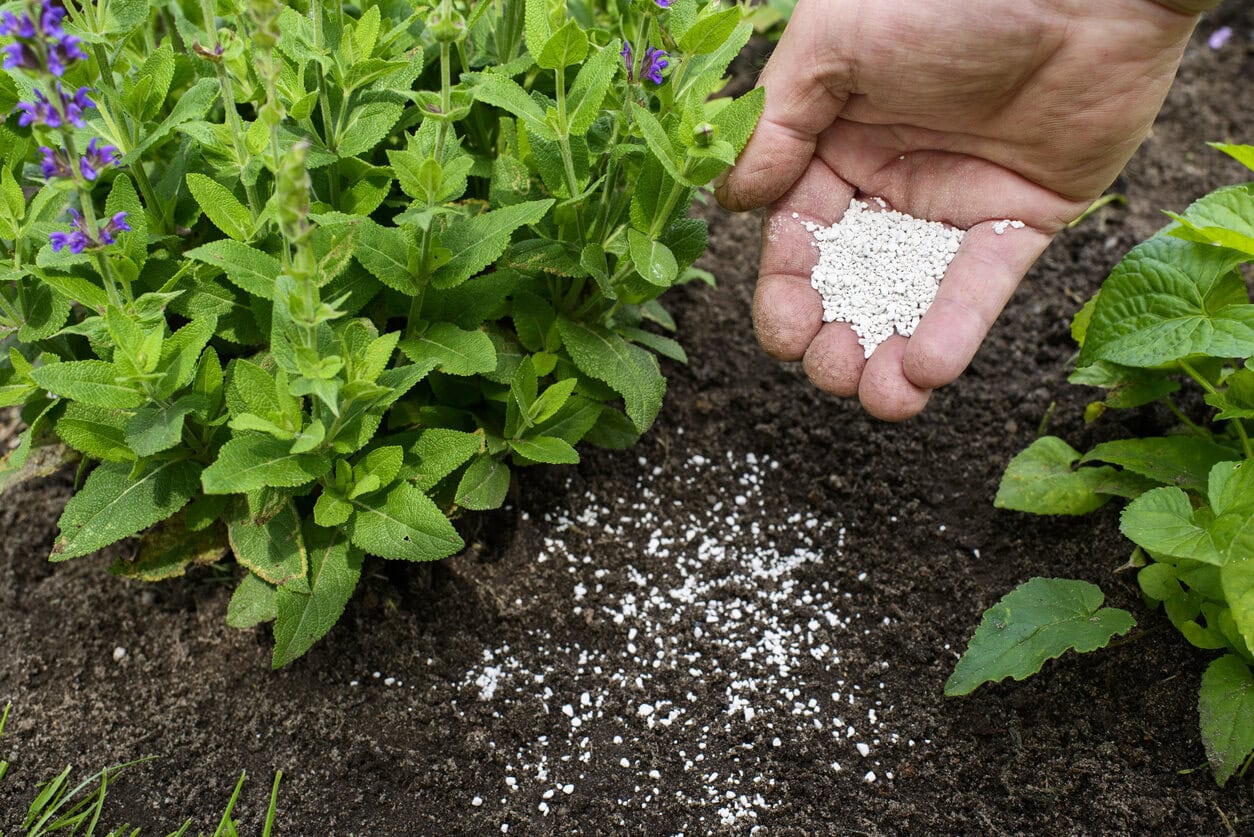
We turned apex predators into neurotic four-legged roommates who ignore us, so it only follows that we treat the flower bed with equal confidence. Grab the pellets and let the spring bribery begin.

With that said, these are the flowers I’ve noticed bloom better when I give them a little help in spring.

Time to Pay the Bloom Tax

Modern home gardening relies on fertilizers because we’ve interrupted the natural loop. In the wild, plants grow, die, and decompose where they stand, slowly feeding the soil again.

In our gardens, we deadhead, prune, rake, and haul all that plant material away. And every time we do that, we’re also removing some of the nutrients those plants pulled from the soil.

So, when we feed them in spring, we’re replacing a little of what we stole so they can handle another round of our aesthetic demands. But that doesn’t mean every flower bed needs to be buried under fertilizer!

1. Phlox

Creeping PhloxCreeping Phlox
Creeping Phlox

Creeping phlox is a star for about three weeks before retiring into its second career as a green rug. If I want it to come back strong next spring, I don’t wait around until it looks offended. I feed it lightly after the petals drop, either with compost or a slow-release fertilizer.

Because it grows so densely, the trick is getting the food to the soil instead of sprinkling it on top like expensive glitter.

How I do it: After it finishes blooming, I sprinkle a light slow-release balanced fertilizer, such as 10-10-10 or 5-5-5, around the edge of the plant and water it in well.

If you prefer making the plant bribes yourself, we also explain organic fertilizers you can make from kitchen scraps.

2. Black-Eyed Susans

Black-Eyed Susan (Rudbeckia)Black-Eyed Susan (Rudbeckia)
Black-Eyed Susan

Nurseries stock Black-eyed susans because they are tough to kill, which is exactly the kind of plant most of us deserve.

While they survive on almost nothing, a light spring feeding can help if the soil is poor or the plants look weak. But since their roots sit fairly close to the surface, I scratch the fertilizer gently into the top inch of soil and water it in.

How I do it: In early spring, I sprinkle about 1/4 cup of balanced fertilizer, such as 10-10-10 or 5-5-5, over every 10 square feet, then lightly work it into the soil and water well.

3. Blanket Flower
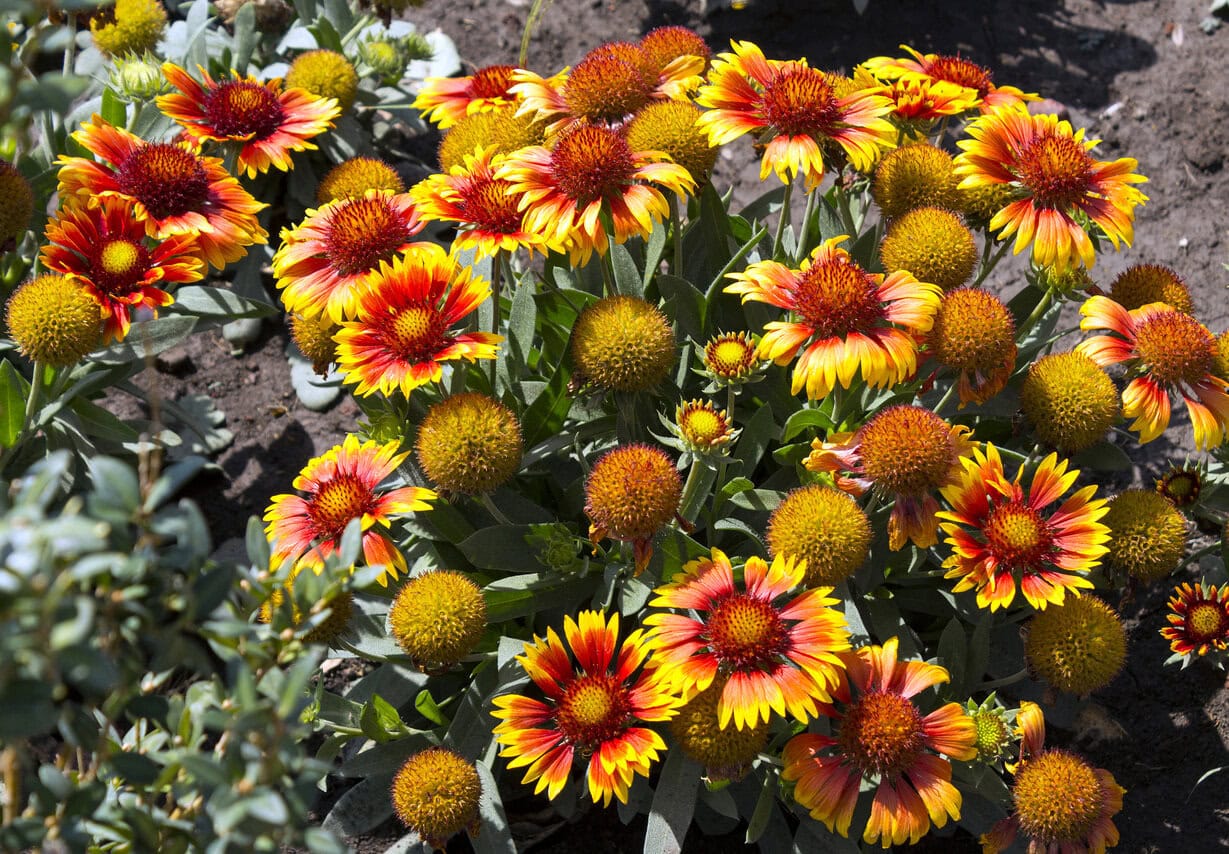
Gaillardia PulchellaGaillardia Pulchella
Gaillardia

Gaillardia doesn’t have an off switch. It throws out flowers like it’s being paid per petal, then has the nerve to keep going in heat that makes everything else look dramatic.

Stay away from high nitrogen, though. That can leave you with a bloated heap of leaves and the kind of soft growth aphids love. These plants thrive on a lean diet, so don’t try to bribe them with rich soil or heavy feeding.

How I do it: In spring, I usually skip fertilizer unless the plant looks weak. If it does need help, I use a small pinch of balanced slow-release fertilizer, such as 5-5-5, around the base and water it in.

4. Coneflowers

ConeflowersConeflowers
Coneflowers

Coneflowers are native to the eastern and central U.S., largely because they are stubborn enough to survive without much hand-holding.

If the soil is decent, I usually leave them alone and let them act smug about it. If the bed is tired or the plants have been looking weak, then I’ll give them a light spring feeding.

How I do it: In early spring, I add compost around the base or use about 1 tablespoon of balanced slow-release fertilizer, such as 5-5-5 or 10-10-10, per plant, then water it in well.

We also wrote a full guide on growing and caring for coneflowers if you want them to look smug for the right reasons.

5. Tickseed

CoreopsisCoreopsis
Coreopsis

Tickseed handles heat better than most of us, but it has a nasty habit of falling over. In July, I shear the plant back by about one-third to tidy it up and encourage another round of blooms. Too much fertilizer only makes the floppiness worse, so I keep the feeding light and let shearing do the real work.

How I do it: In spring, I only fertilize weak plants with a small amount of balanced slow-release fertilizer, such as 5-5-5, around the base, then water it in.

If you’re already in bloom-maintenance mode, we also have a guide on flowers to deadhead in May for continuous blooms.

6. Beardtongue

PenstemonPenstemon
Penstemon

Commonly sold as ‘Husker Red’ or ‘Dark Towers,’ beardtongue has stunning tubular flowers. It prefers lean soil, so a light dusting is enough, and only if the soil is poor or the plant looks weak. Otherwise, I let it get on with the drama by itself.

How I do it: In spring, I use compost or about 1 tablespoon of balanced slow-release fertilizer, such as 5-5-5, spread lightly around the root zone, then water it in.

7. Blue Wild Indigo

Blue False Indigo (Baptisia Australis)Blue False Indigo (Baptisia Australis)
Blue False Indigo

Since Baptisia is a legume, it can handle its own nitrogen. But it also has a deep taproot, so once it settles in, it does not appreciate being fussed with like a needy annual.

Most years, I leave it alone. If the soil is poor or the plant looks weak, a light spring feeding is plenty before the new growth gets too thick!

How I do it: In early spring, I add compost around the base or use about 1 tablespoon of balanced slow-release fertilizer, such as 5-5-5, then water it in.

8. Joe-Pye Weed

Joe-Pye Weed (Eutrochium Purpureum)Joe-Pye Weed (Eutrochium Purpureum)
Joe-Pye Weed

‘Baby Joe’ or ‘Little Joe’ varieties stay around four feet, but they still eat like they have something to prove. They like richer, consistently moist soil more than the lean-soil divas, so I give them compost and a light balanced feeding in spring to support strong stems and a better bloom show.

How I do it: I add a shovelful of compost around the plant and sprinkle about 2 tablespoons of balanced fertilizer, such as 10-10-10 or 5-5-5, around the root zone, then water it in.

9. Bee Balm
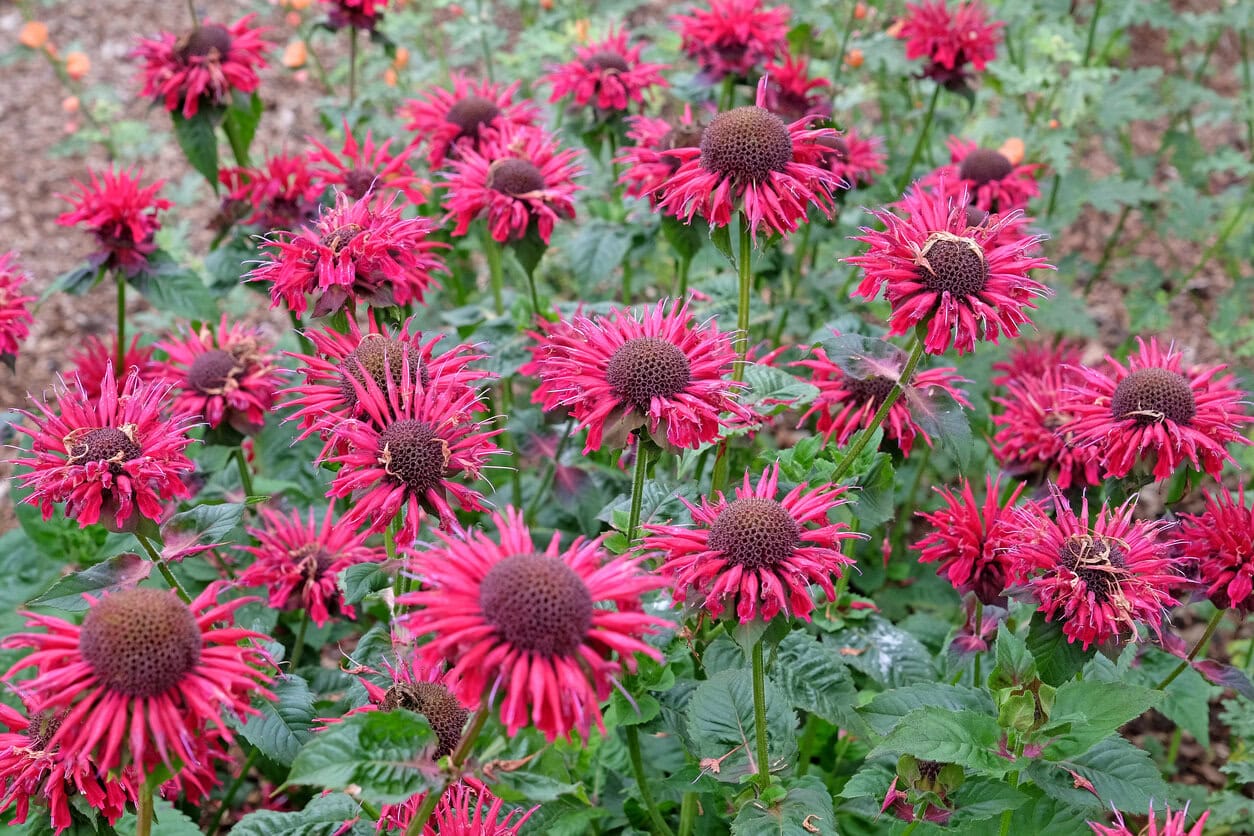
Bee Balm (Monarda)Bee Balm (Monarda)
Bee Balm

I’d bet Monarda spends half its life just trying to contract powdery mildew, and the other half luring every bee and hummingbird in the neighborhood. It is worth growing, but it does not need to be force-fed.

Too much fertilizer can push soft, leafy growth that mildew loves, so I keep the feeding light and focus more on sun, spacing, and airflow.

How I do it: In early spring, I use compost or about 1 tablespoon of balanced organic fertilizer, such as 5-5-5, around the base, then water it in.

10. Zinnias
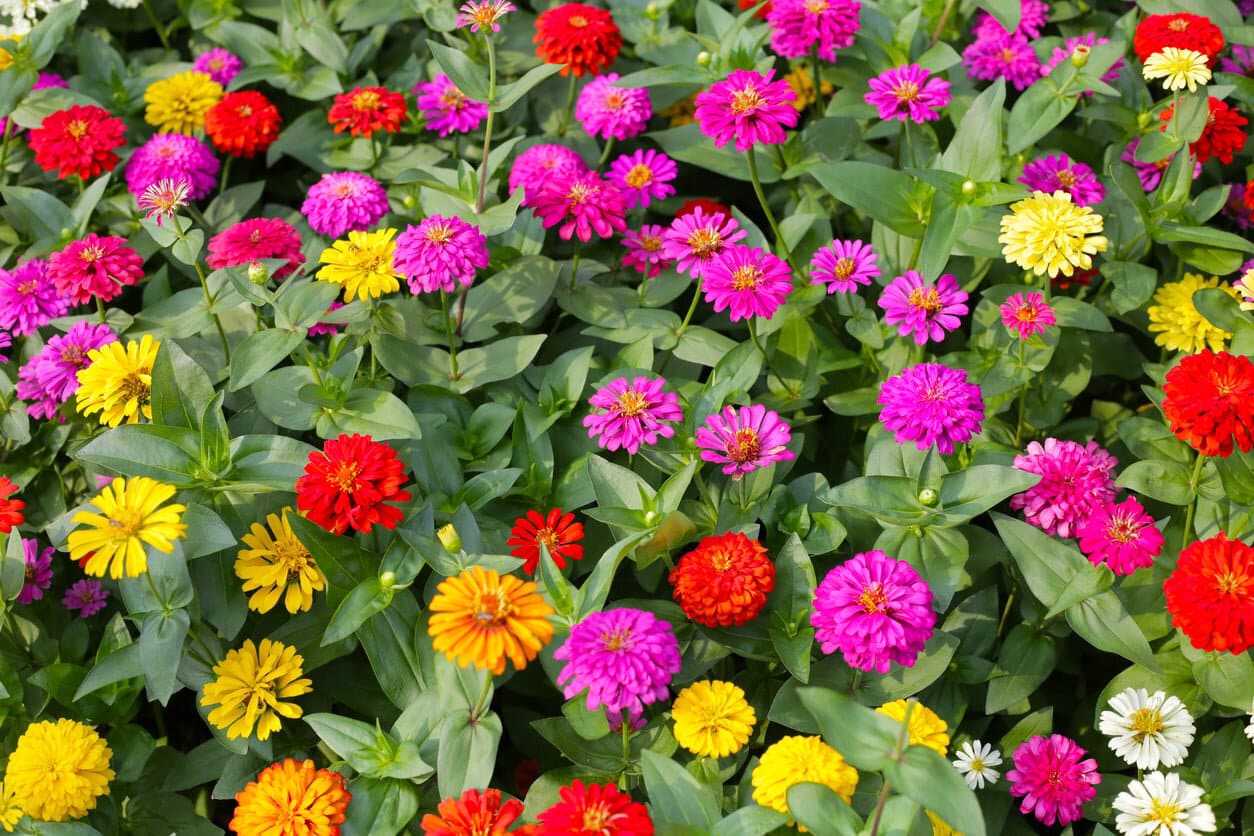
Zinnia gardenZinnia garden
Zinnias

While technically native to Mexico, zinnias are now a staple of the American “cutting garden.” You buy them in six-packs, stick them in the ground, and as long as you keep them watered and deadheaded, they’ll bloom until the world ends.

How I do it: At planting, I mix in compost or a balanced slow-release fertilizer, such as 5-5-5 or 10-10-10. Once they start blooming, I feed lightly about once a month if the plants look like they need it.

We also wrote a guide on spring zinnia tips if you want more color out of them all summer without turning the flower bed into a fertilizer experiment.

11. Sunflowers

Sunflowers

A sunflower is basically a biological machine designed to turn soil, sun, and water into a stalk that makes the fence look inadequate.

Big varieties are hungry plants, so I don’t stick them in tired soil and expect a miracle with petals. I give them compost or balanced fertilizer early, then let steady water and full sun do the rest of the bullying.

How I do it: At planting, I mix compost or a balanced slow-release fertilizer, such as 5-5-5 or 10-10-10, into the soil. For giant varieties, I feed lightly again once the plants are about 1 to 2 feet tall, then water well.

The Pellets are in Your Court
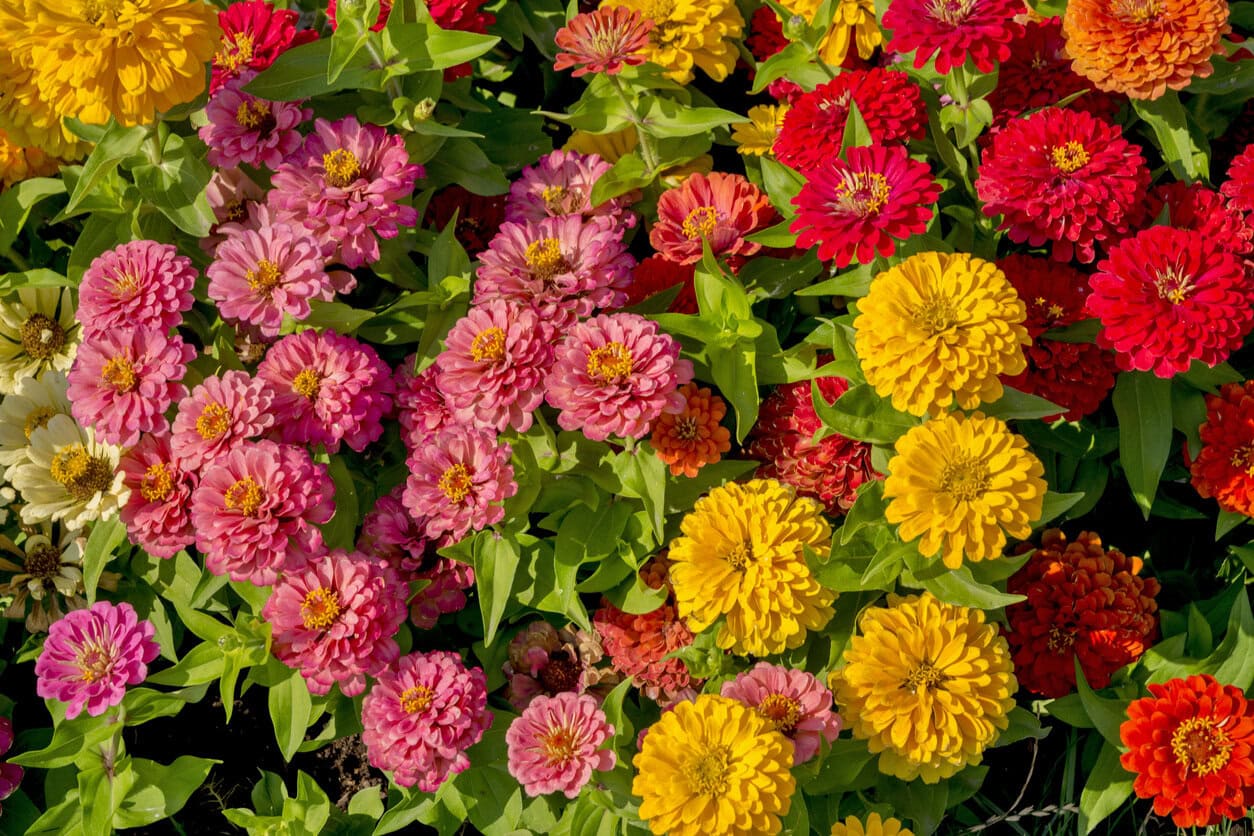
You’ve trimmed, deadheaded, raked, and hauled away half the evidence, all for the sake of a prettier view. Now, you owe the earth a debt. Feed the giants, bolster the weak, and ensure the flowers show up. Don’t overthink the magic of nature. It’s just math and minerals anyway.

If you’re sorting out the whole perennial bed, we also wrote a guide on perennials to fertilize in early spring for bigger summer blooms.

Dragana by TinyGardenHabitDragana by TinyGardenHabit

Dragana Cergna

Hey there! I’m Dragana, an ecologist with a serious soft spot for soil and the magic that sprouts from it. My Adriatic garden is a bit of a wild bunch: aromatic herbs and roses doing their fragrant thing, juicy fruits and stubborn olive trees with a Mediterranean attitude. I’m here to unearth gardening wonders; are you ready to dig in with me?

Related Articles

Leave a Reply

Your email address will not be published. Required fields are marked *

11 Flowers To Fertilize In Spring For A Better Blooming Season

We turned apex predators into neurotic four-legged roommates who ignore us, so it only follows that we treat the flower bed with equal confidence. Grab the pellets and let the spring bribery begin.

With that said, these are the flowers I’ve noticed bloom better when I give them a little help in spring.

Time to Pay the Bloom Tax

Modern home gardening relies on fertilizers because we’ve interrupted the natural loop. In the wild, plants grow, die, and decompose where they stand, slowly feeding the soil again.

In our gardens, we deadhead, prune, rake, and haul all that plant material away. And every time we do that, we’re also removing some of the nutrients those plants pulled from the soil.

So, when we feed them in spring, we’re replacing a little of what we stole so they can handle another round of our aesthetic demands. But that doesn’t mean every flower bed needs to be buried under fertilizer!

1. Phlox

Creeping PhloxCreeping Phlox
Creeping Phlox

Creeping phlox is a star for about three weeks before retiring into its second career as a green rug. If I want it to come back strong next spring, I don’t wait around until it looks offended. I feed it lightly after the petals drop, either with compost or a slow-release fertilizer.

Because it grows so densely, the trick is getting the food to the soil instead of sprinkling it on top like expensive glitter.

How I do it: After it finishes blooming, I sprinkle a light slow-release balanced fertilizer, such as 10-10-10 or 5-5-5, around the edge of the plant and water it in well.

If you prefer making the plant bribes yourself, we also explain organic fertilizers you can make from kitchen scraps.

2. Black-Eyed Susans

Black-Eyed Susan (Rudbeckia)Black-Eyed Susan (Rudbeckia)
Black-Eyed Susan

Nurseries stock Black-eyed susans because they are tough to kill, which is exactly the kind of plant most of us deserve.

While they survive on almost nothing, a light spring feeding can help if the soil is poor or the plants look weak. But since their roots sit fairly close to the surface, I scratch the fertilizer gently into the top inch of soil and water it in.

How I do it: In early spring, I sprinkle about 1/4 cup of balanced fertilizer, such as 10-10-10 or 5-5-5, over every 10 square feet, then lightly work it into the soil and water well.

3. Blanket Flower

Gaillardia PulchellaGaillardia Pulchella
Gaillardia

Gaillardia doesn’t have an off switch. It throws out flowers like it’s being paid per petal, then has the nerve to keep going in heat that makes everything else look dramatic.

Stay away from high nitrogen, though. That can leave you with a bloated heap of leaves and the kind of soft growth aphids love. These plants thrive on a lean diet, so don’t try to bribe them with rich soil or heavy feeding.

How I do it: In spring, I usually skip fertilizer unless the plant looks weak. If it does need help, I use a small pinch of balanced slow-release fertilizer, such as 5-5-5, around the base and water it in.

4. Coneflowers

ConeflowersConeflowers
Coneflowers

Coneflowers are native to the eastern and central U.S., largely because they are stubborn enough to survive without much hand-holding.

If the soil is decent, I usually leave them alone and let them act smug about it. If the bed is tired or the plants have been looking weak, then I’ll give them a light spring feeding.

How I do it: In early spring, I add compost around the base or use about 1 tablespoon of balanced slow-release fertilizer, such as 5-5-5 or 10-10-10, per plant, then water it in well.

We also wrote a full guide on growing and caring for coneflowers if you want them to look smug for the right reasons.

5. Tickseed

CoreopsisCoreopsis
Coreopsis

Tickseed handles heat better than most of us, but it has a nasty habit of falling over. In July, I shear the plant back by about one-third to tidy it up and encourage another round of blooms. Too much fertilizer only makes the floppiness worse, so I keep the feeding light and let shearing do the real work.

How I do it: In spring, I only fertilize weak plants with a small amount of balanced slow-release fertilizer, such as 5-5-5, around the base, then water it in.

If you’re already in bloom-maintenance mode, we also have a guide on flowers to deadhead in May for continuous blooms.

6. Beardtongue

PenstemonPenstemon
Penstemon

Commonly sold as ‘Husker Red’ or ‘Dark Towers,’ beardtongue has stunning tubular flowers. It prefers lean soil, so a light dusting is enough, and only if the soil is poor or the plant looks weak. Otherwise, I let it get on with the drama by itself.

How I do it: In spring, I use compost or about 1 tablespoon of balanced slow-release fertilizer, such as 5-5-5, spread lightly around the root zone, then water it in.

7. Blue Wild Indigo

Blue False Indigo (Baptisia Australis)Blue False Indigo (Baptisia Australis)
Blue False Indigo

Since Baptisia is a legume, it can handle its own nitrogen. But it also has a deep taproot, so once it settles in, it does not appreciate being fussed with like a needy annual.

Most years, I leave it alone. If the soil is poor or the plant looks weak, a light spring feeding is plenty before the new growth gets too thick!

How I do it: In early spring, I add compost around the base or use about 1 tablespoon of balanced slow-release fertilizer, such as 5-5-5, then water it in.

8. Joe-Pye Weed

Joe-Pye Weed (Eutrochium Purpureum)Joe-Pye Weed (Eutrochium Purpureum)
Joe-Pye Weed

‘Baby Joe’ or ‘Little Joe’ varieties stay around four feet, but they still eat like they have something to prove. They like richer, consistently moist soil more than the lean-soil divas, so I give them compost and a light balanced feeding in spring to support strong stems and a better bloom show.

How I do it: I add a shovelful of compost around the plant and sprinkle about 2 tablespoons of balanced fertilizer, such as 10-10-10 or 5-5-5, around the root zone, then water it in.

9. Bee Balm

Bee Balm (Monarda)Bee Balm (Monarda)
Bee Balm

I’d bet Monarda spends half its life just trying to contract powdery mildew, and the other half luring every bee and hummingbird in the neighborhood. It is worth growing, but it does not need to be force-fed.

Too much fertilizer can push soft, leafy growth that mildew loves, so I keep the feeding light and focus more on sun, spacing, and airflow.

How I do it: In early spring, I use compost or about 1 tablespoon of balanced organic fertilizer, such as 5-5-5, around the base, then water it in.

10. Zinnias

Zinnia gardenZinnia garden
Zinnias

While technically native to Mexico, zinnias are now a staple of the American “cutting garden.” You buy them in six-packs, stick them in the ground, and as long as you keep them watered and deadheaded, they’ll bloom until the world ends.

How I do it: At planting, I mix in compost or a balanced slow-release fertilizer, such as 5-5-5 or 10-10-10. Once they start blooming, I feed lightly about once a month if the plants look like they need it.

We also wrote a guide on spring zinnia tips if you want more color out of them all summer without turning the flower bed into a fertilizer experiment.

11. Sunflowers

Sunflowers

A sunflower is basically a biological machine designed to turn soil, sun, and water into a stalk that makes the fence look inadequate.

Big varieties are hungry plants, so I don’t stick them in tired soil and expect a miracle with petals. I give them compost or balanced fertilizer early, then let steady water and full sun do the rest of the bullying.

How I do it: At planting, I mix compost or a balanced slow-release fertilizer, such as 5-5-5 or 10-10-10, into the soil. For giant varieties, I feed lightly again once the plants are about 1 to 2 feet tall, then water well.

The Pellets are in Your Court

You’ve trimmed, deadheaded, raked, and hauled away half the evidence, all for the sake of a prettier view. Now, you owe the earth a debt. Feed the giants, bolster the weak, and ensure the flowers show up. Don’t overthink the magic of nature. It’s just math and minerals anyway.

If you’re sorting out the whole perennial bed, we also wrote a guide on perennials to fertilize in early spring for bigger summer blooms.

Dragana by TinyGardenHabitDragana by TinyGardenHabit

Dragana Cergna

Hey there! I’m Dragana, an ecologist with a serious soft spot for soil and the magic that sprouts from it. My Adriatic garden is a bit of a wild bunch: aromatic herbs and roses doing their fragrant thing, juicy fruits and stubborn olive trees with a Mediterranean attitude. I’m here to unearth gardening wonders; are you ready to dig in with me?

Related Articles

Leave a Reply

Your email address will not be published. Required fields are marked *

Back to top button

Adblock Detected

Disable ADBLOCK to view this content!